From Design to Performance: Harriet Richardson Reflects on Her Career Shift
By Editor • August 19, 2026 • 3 min read
In an unexpected twist of fate, graphic designer turned performance artist Harriet Richardson recently encountered her former boss, John, on a London street. This chance meeting prompted her to reflect on her journey from the world of design to the stage, highlighting the creative skills she has carried with her into her new life.
Richardson, who spent five years at the prestigious design studio Pentagram, reminisced about her time working under John, a figure she admired for his impeccable taste and design instinct. "When I first got the job at Pentagram, I felt like I’d been handed a golden ticket," she said. However, the allure of the design world began to fade as she confronted the reality of a long career that felt increasingly unfulfilling.
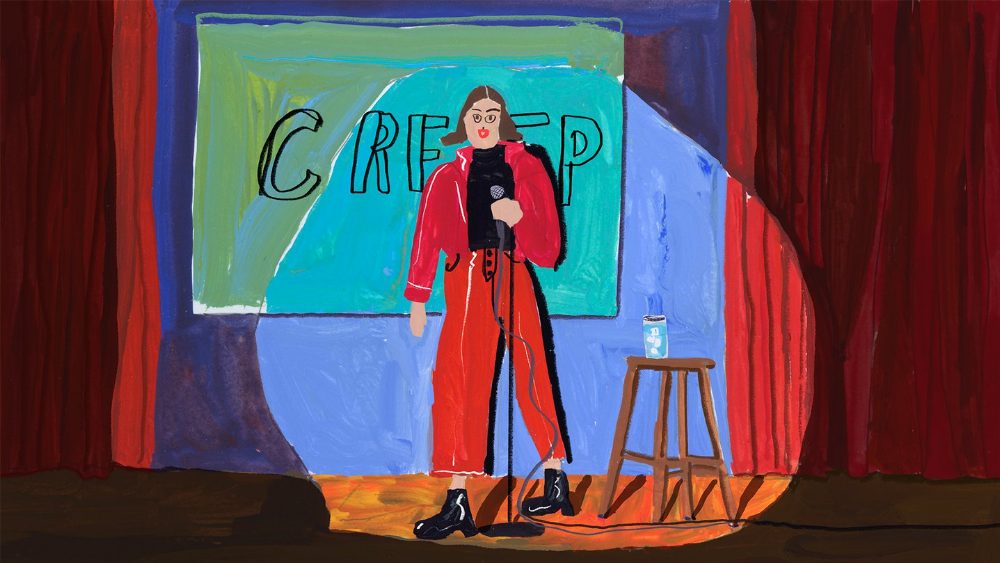
As she prepared for her Edinburgh Fringe debut, Richardson couldn’t help but acknowledge how her past in graphic design has shaped her present as a performance artist. Her ex-boss recognized her comedic talents, affirming that she made the right decision in leaving the design field. "Well… you always were a bit of a comedian," he remarked, a sentiment that resonated deeply with her.
The decision to leave design was not made lightly; Richardson faced exhaustion and disillusionment. She realized that the life she had envisioned for herself as a successful designer no longer aligned with her aspirations. "The problem with dreams, once you start living inside them, is that they become your commute," she explained, illustrating the disillusionment that can come from pursuing a path that no longer excites you.
Conversely, Richardson's journey mirrors that of fellow designer and artist Anthony Burrill, who also faced creative stagnation while working on commercial projects. Burrill described his own moment of reckoning while directing a children's yogurt commercial, questioning the artistic choices he had made. His leap into the world of affordable graphic art allowed him to reclaim his identity as an artist, similar to Richardson's quest for authenticity.
Growing up in a working-class town, Richardson was encouraged to pursue creativity, but only in practical forms such as graphic design. "You could be creative, absolutely, but the creativity had to be useful," she noted, which made her feel constrained in her artistic expression. Eventually, she recognized that the narrowness of her beliefs about creativity had limited her path.
Despite her initial fears that leaving design meant abandoning her skills, Richardson discovered that her design background provided valuable tools for her new career. The principles she learned about editing, problem-solving, and audience engagement have been instrumental in her performance art. "I thought leaving design meant leaving all of that behind. Instead, I took it with me," she shared, emphasizing the continuity of her creative journey.
Her father, Peter Richardson, a designer himself, echoed this sentiment, stating, "You might leave the design industry, but it never leaves you." This shared understanding of the enduring influence of design in everyday life has prompted Richardson to embrace her past rather than erase it.
As she continues to navigate her path as a performance artist, Richardson acknowledges the multifaceted nature of creative work. Even in her new role, she finds herself employing the skills honed during her time in graphic design. "I design the posters, build the slides, structure the reveals and think about how an audience encounters an idea," she explained, illustrating the seamless integration of her past and present.
Ultimately, Harriet Richardson's journey illustrates that creativity often transcends job titles. While she may have transitioned from graphic design to performance art, the essence of her creative spirit remains intact, continually evolving as she pursues her passion on stage.
Source: www.itsnicethat.com
#Anthony Burrill #design #Harriet Richardson #Pentagram #performance art