Graceland Turns 40: Paul Simon's Timeless Tribute to South Africa's Resilience
By Editor • August 27, 2026 • 3 min read
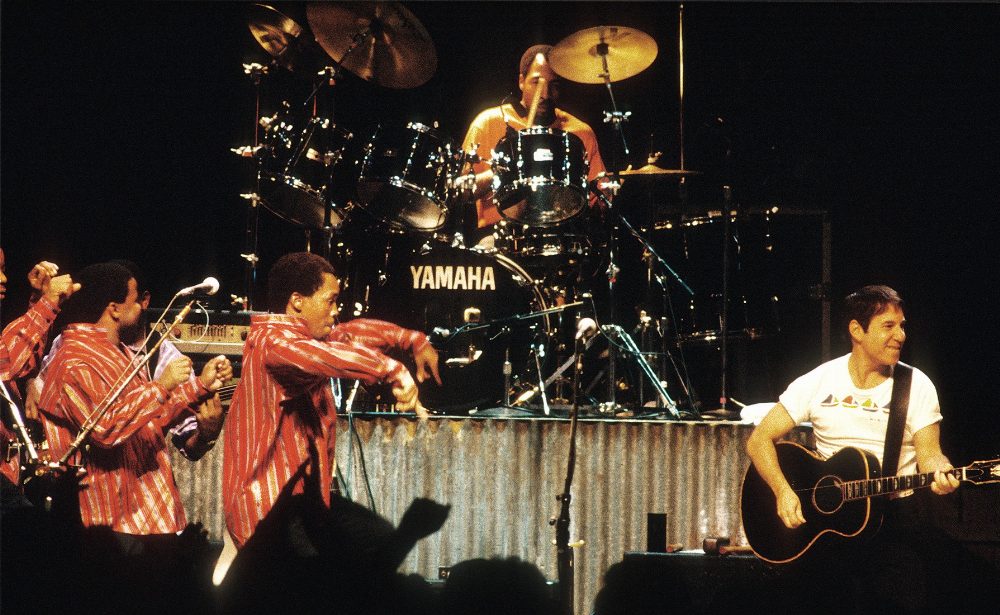
As Paul Simon's iconic album Graceland celebrates its 40th anniversary, its legacy endures not only as a musical masterpiece but as a symbol of hope amidst the turmoil of apartheid South Africa. The album, which emerged during a time of immense political strife, stands as a testament to the power of music to transcend barriers and unite diverse cultures.
In the 1980s, South Africa was a nation grappling with the harsh realities of apartheid. For many, this period holds memories tinged with a peculiar mix of nostalgia and horror. It was amidst this backdrop that Simon sought inspiration for his album, enlisting the help of South African musicians and embracing their rich musical heritage. One notable figure during this time was David Kramer, an Afrikaans artist who defied the norms of his community by collaborating with Taliep Petersen to create musicals that celebrated Afrikaans culture in a more inclusive light.
Kramer’s unique perspective on the era is illustrated in a poignant anecdote where he recounts guiding Simon through Cape Point. While Kramer was swarmed by fans, the world-renowned musician remained largely unnoticed, a vivid metaphor for how the power of local voices often eclipsed even the most famous international stars.
Those who grew up in South Africa during this time recall the music of Graceland as a backdrop to their childhood memories, juxtaposed against a landscape marred by violence and oppression. The album became a cherished soundtrack, offering a sense of freedom and escape amidst the suffocating grip of an oppressive regime. It represented a moment of cultural awakening, even as the country was on the brink of chaos.
The first State of Emergency declared in July 1985 marked a significant turning point, as the apartheid regime sought to silence dissent. While the government tightened its grip, the youth found solace in music and art, which became crucial outlets for expression. Despite the oppressive atmosphere, cultural shifts began to emerge, slowly eroding the boundaries enforced by the state. Acts like the Concert in the Park in 1985, which saw a racially diverse audience come together for the first time, exemplified the power of music to challenge societal norms.
Simon’s foray into South Africa was not without controversy, as his work was part of a broader cultural dialogue that defied international boycotts against the apartheid regime. Artists like Simon, who dared to engage with South African musicians, sparked debates about cultural appropriation and solidarity. Yet, the impact of Graceland resonated far beyond borders, providing a platform for South African sounds to reach global audiences.
As the album gained traction, it became clear that it was not just a commercial success but a cultural phenomenon that challenged the status quo. Simon’s decision to collaborate with local artists was a bold move that broke down barriers, showcasing the rich tapestry of South African music. The album's vibrant rhythms and poignant lyrics captured the spirit of a nation yearning for change.
Even as the apartheid regime attempted to suppress dissent through censorship, the era also witnessed pockets of resistance in the arts. The Voëlvry tour, which utilized Afrikaans music as a vehicle for rebellion, and the emergence of plays and performances that challenged societal norms, reflected the growing discontent among the youth. These movements highlighted the disconnect between the government and its citizens, showcasing a society eager for transformation.
Graceland’s legacy is not merely tied to its commercial success; it represents a cultural revolution that transcended racial divides. As South Africa continues to navigate its complex history, Paul Simon’s album remains a powerful reminder of the resilience of its people and the enduring power of music to heal and unite.
Source: www.dailymaverick.co.za