Milton Avery: The Unsung Mentor of Modernism
By Editor • August 27, 2026 • 3 min read
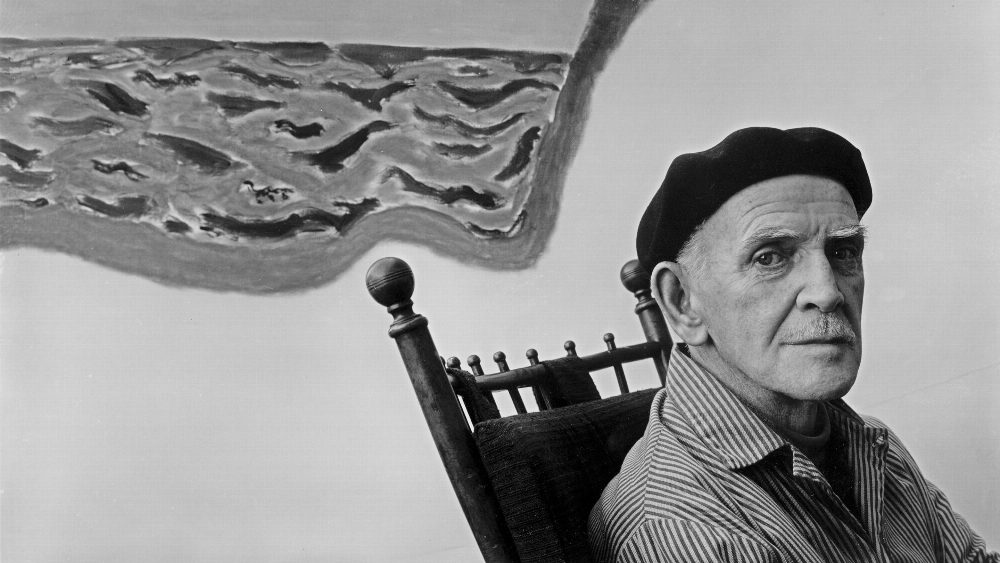
The narrative of modern art often highlights the dazzling rise of iconic figures such as Mark Rothko, but it rarely shines a light on the quieter, yet equally significant, influences behind them. One such figure is Milton Avery, an artist whose mentorship played a pivotal role in the development of American modernism during the early 20th century.
In the 1930s, Avery, Rothko, and fellow artist Adolph Gottlieb spent their summers together in Cape Ann, Massachusetts, a locale steeped in artistic history. This picturesque region, known for its rugged coastline and vibrant fishing culture, became a nurturing ground for creativity. Avery, older and more established, became a guiding presence, even as Rothko and Gottlieb were on the cusp of their revolutionary transformation into abstraction.
Avery's influence was subtle yet profound. While Rothko would ascend to fame, with his works fetching astronomical sums at auctions—up to $98 million—Avery's own recognition remained modest, with his highest auction price just over $6 million. This reality begs the question: does the narrative of art history overlook Avery's contributions by framing him solely as a mentor destined to be overshadowed?
Born in 1885, Avery first arrived in Gloucester in 1920, drawn by its artistic community. He met his wife, fellow artist Sally Michel, there, and the couple became part of a vibrant group of artists who found inspiration in the local landscape. The camaraderie among Avery, Rothko, and Gottlieb flourished in this setting, where they would sketch and paint together, often discussing the intricacies of their craft.
Rothko and Gottlieb would dissect Avery's paintings, learning from his use of color and form. Avery's distinct approach combined influences from European masters such as Pierre Bonnard and Henri Matisse while also drawing from American folk art. His compositions, characterized by soft, harmonious colors, stood in contrast to the bold palettes favored by his contemporaries.
During their time in Cape Ann, the three artists developed a deep bond, sharing not just their work but also their lives. They supported one another through the trials of the Great Depression, a backdrop that contrasted with the vibrancy of their artistic endeavors. Sally Avery recalled evenings spent sipping tea and discussing their daily creations, with no thought given to commercial success—only the pure joy of painting.
As World War II approached, Rothko and Gottlieb began to explore abstraction more fully, breaking away from Avery's influence. This shift marked a significant turning point in modern art, propelling these artists into the limelight while Avery remained a more obscure figure. However, his legacy as a colorist and draftsman endures, as acknowledged by Gottlieb, who praised Avery’s unique vision and ability to work against prevailing trends.
The narrative of American modernism cannot be complete without recognizing Milton Avery's essential role. While he may not have achieved the same level of fame as Rothko, his contributions to the artistic community and his impact on those who followed him are invaluable. Avery’s work, marked by emotional depth and innovative color use, continues to resonate, offering a poignant reminder of the quiet strength that often underlies the most celebrated movements in art.
Source: www.theatlantic.com
#Adolph Gottlieb #Cape Ann #Mark Rothko #Milton Avery #modern art