Guinea-Bissau's Pivotal Referendum: The Future of Presidential Power at Stake
By Editor • August 29, 2026 • 2 min read
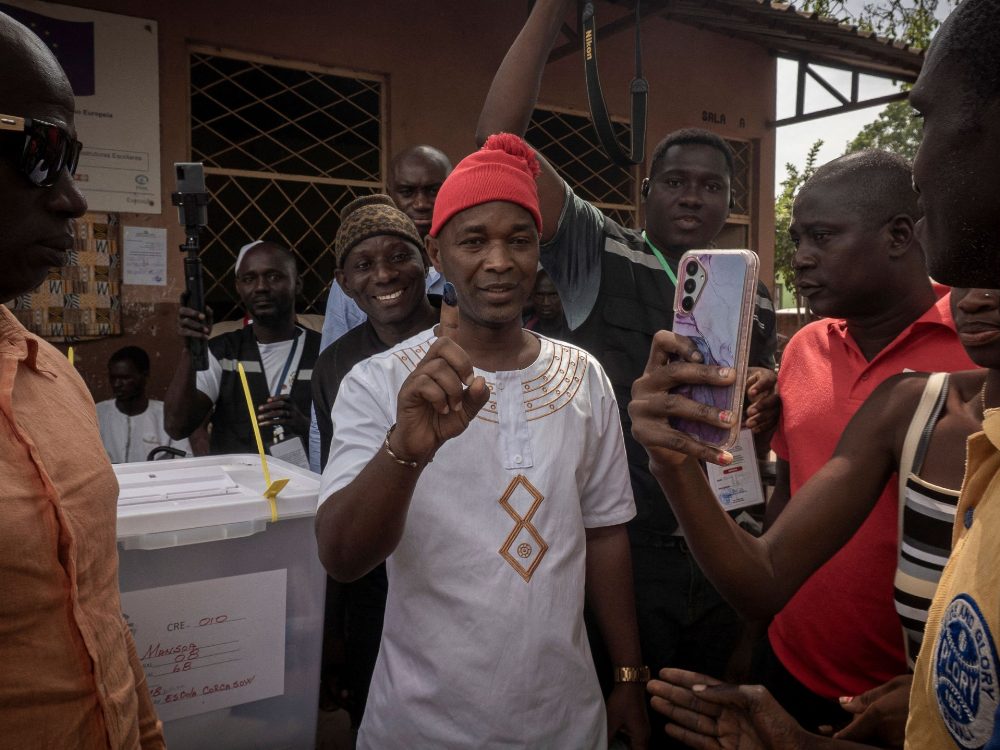
On August 30, voters in Guinea-Bissau face a crucial decision that could reshape the country's political landscape. They will cast their ballots on a proposed constitution that seeks to significantly bolster the powers of the presidency while altering the electoral framework ahead of upcoming elections on December 6.
The referendum, which follows a military coup nine months prior, is pivotal for the future of governance in the small West African nation. Since the military seized control on November 26, 2025, and appointed General Horta Inta-A Na Man as transitional president, discussions surrounding political authority and stability have intensified.
Proponents of the new constitution argue that it would streamline governance by establishing clearer lines of authority, potentially alleviating the political turbulence that has plagued Guinea-Bissau for decades. However, critics express concern that consolidating power in the presidency would undermine parliamentary oversight and threaten democratic principles.
The proposed constitutional changes include a reduction of parliamentary seats from 102 to 65 and a cut in electoral constituencies from 29 to 12. Additionally, it would impose new requirements for presidential candidates, including a hefty deposit of approximately $90,000 and a mandate to reside in the country for five years prior to an election. Such stipulations have drawn criticism for possibly disadvantaging smaller political parties.
Opposition parties like the African Party for the Independence of Guinea and Cape Verde (PAIGC) have vocally rejected the referendum, urging a boycott and questioning the legitimacy of a draft produced during a military-led transition rather than through an elected assembly. This controversy highlights the ongoing tensions surrounding governance, as the referendum threatens to put the military’s imprint on foundational political rules before restoring a fully elected government.
As the referendum approaches, voters must consider the implications of their choice. A yes vote would enact the new constitution and grant the president enhanced powers, fundamentally altering the balance of authority within the government. Conversely, a no vote would halt these changes, leaving Guinea-Bissau's constitutional future uncertain.
The outcome of this referendum may not only determine the extent of presidential power in Guinea-Bissau but also set the stage for how the country will navigate its return to democratic governance.
Source: www.aljazeera.com
#constitution #Guinea-Bissau #political instability #presidency #referendum