Healthcare Costs at the Forefront in Competitive California Congressional Race
By Editor • August 26, 2026 • 3 min read
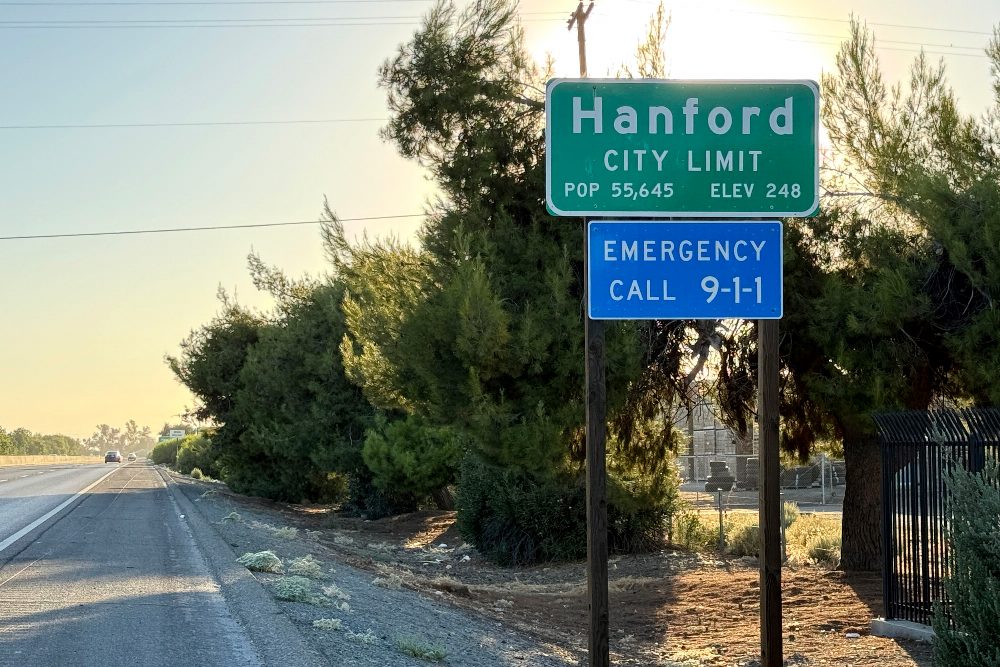
In California's newly redrawn 22nd Congressional District, healthcare costs are becoming a pivotal issue for voters as they approach the fall midterm elections. With the district stretching from Bakersfield to parts of western Fresno County, candidates are acutely aware that addressing healthcare is essential to winning over constituents.
Among those weighing their options is Carlos A., a young man whose journey through the healthcare system has been tumultuous. Growing up on Medicaid, Carlos only began to feel the pressure of healthcare costs when a recent job promotion pushed him out of the program's eligibility. Faced with high premiums on Covered California plans, he found himself in a panic, especially given his chronic immune condition that requires ongoing medication. Now, he navigates employer-based coverage, grappling with new costs and prior authorization requirements that leave him anxious about switching medications.
"It’s a contract. I’m going to pay my premiums, you cover my insurance," Carlos expressed, frustrated by what he perceives as unfair treatment from his insurer. He is one of many voters in the district who are looking for candidates to prioritize healthcare in their campaigns, with Democratic challenger Randy Villegas emphasizing the need for affordable options.
The race is particularly crucial as Republican incumbent Rep. David Valadao seeks to maintain his seat, which he has held since 2012, despite a previous loss during a healthcare-focused election cycle. Democrats are keen to remind voters of Valadao's vote for HR 1, a controversial tax-and-spending law that critics argue cuts billions in healthcare support for low-income individuals. Villegas has been vocal about this, claiming the legislation threatens nearly 70,000 residents in the Valley.
Valadao, however, defends his vote, stating it protects Medi-Cal for the most vulnerable populations. He believes that work requirements for non-disabled adults in the program are reasonable and necessary for sustainability, a notion he shared in a recent interview. Nevertheless, the looming changes in Medi-Cal eligibility and administrative rules may see an estimated 1.1 million Californians lose coverage by 2030, according to the California Health Care Foundation.
As the election draws closer, polling indicates that healthcare remains at the forefront of voters' minds. In a district where nearly a quarter of registered voters have no party preference, candidates must address healthcare costs alongside other economic concerns to appeal to undecided voters. Matthew Depue, a resident with employer-based insurance, acknowledges the rising costs that are pushing individuals to seek care across the border in Mexico, highlighting a growing frustration with affordability.
For residents like Patreza Newton, the struggle to afford healthcare has become increasingly daunting. Falling into a category of earners who are too wealthy for Medicaid yet unable to afford adequate coverage, she hopes that the upcoming election will bring about much-needed changes. "The current health system is unaffordable," she stated, emphasizing the urgency for a candidate who prioritizes accessible healthcare.
As the midterm elections approach, candidates in California's 22nd District are urged to confront the pressing healthcare concerns of their constituents, with voters like Carlos A. looking for genuine leadership to address the broken system.
Source: kffhealthnews.org
#California #David Valadao #healthcare #midterm elections #Randy Villegas