Healthcare Heroes Battle Ebola Amid Misinformation in Congo
By Editor • August 24, 2026 • 2 min read
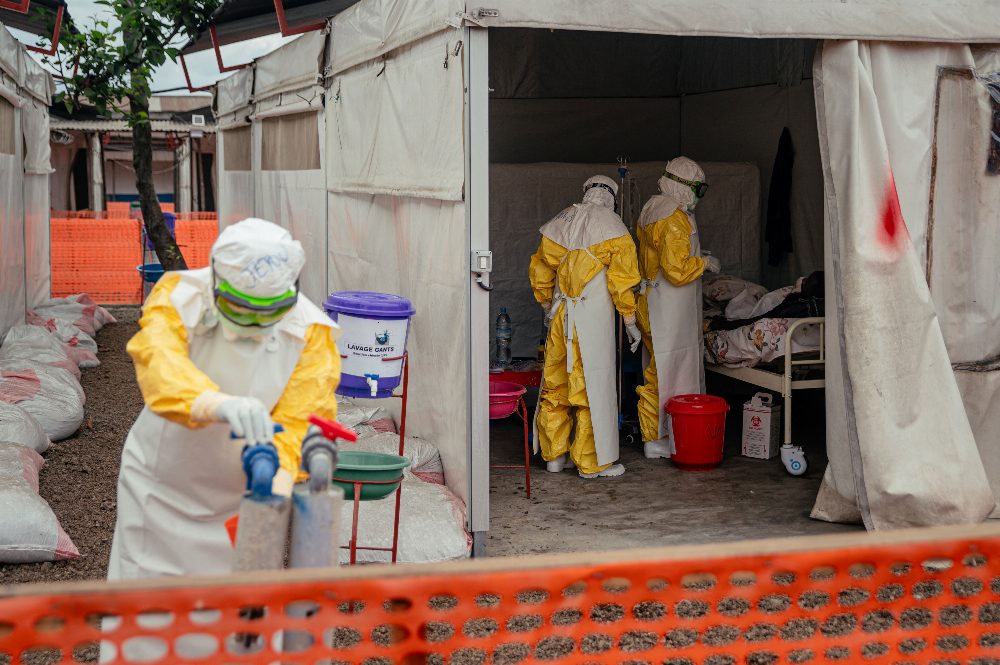
The Democratic Republic of Congo is facing a daunting challenge as it grapples with the second-deadliest Ebola outbreak in recorded history. Despite the virus fading from headlines in the United States, dedicated public health organizations are on the ground, providing crucial medical care and training to combat the spread of the disease.
As of early August, over 5,200 cases of the Bundibugyo strain have been confirmed, resulting in more than 2,500 fatalities in Congo. The outbreak, declared a public health emergency by the World Health Organization on May 17, has also affected neighboring Uganda, where two cases and two deaths were reported, though no new infections have occurred since June 21.
With a 44% fatality rate, the Bundibugyo strain remains particularly dangerous, especially as it lacks an available vaccine. The ongoing military conflict in eastern Congo complicates the medical response and hampers efforts to control the outbreak. Erica Tavares, a senior director at the International Medical Corps, emphasized the global community's delayed response, stating, "We were already months behind where we should have been in stopping the spread of this disease." The U.S. has pledged $512 million in aid and implemented a travel ban for non-citizens from the affected regions.
Amid this crisis, several organizations are making significant contributions to combat Ebola:
- Africa Centres for Disease Control and Prevention: As the African Union's public health agency, Africa CDC is collaborating with the WHO on a $500 million response plan that aims to enhance communication and collaboration across borders.
- Congo's National Institute for Biomedical Research: This agency is responsible for monitoring the virus and conducting tests. They have established laboratories in the hardest-hit Ituri province and intensified surveillance to track the virus's evolution, which is essential for developing vaccines.
- Doctors Without Borders: Active in Ituri for over 20 years, this organization provides emergency medical assistance and disease surveillance. With over 1,400 workers addressing the current outbreak, they plan to bolster existing healthcare programs to prepare for further spread.
- International Medical Corps: Since mid-May, the IMC has been involved in case management and community education regarding Ebola. They operate rapid response teams and treatment centers while emphasizing training local health professionals to enhance future outbreak responses.
- SOFEPADI: This Congolese nonprofit focuses on women's health and gender issues. They are prioritizing the protection of women during the outbreak, recognizing that their health is crucial for community stability.
These organizations represent only a fraction of the groups fighting against Ebola in Congo, yet they exemplify the resilience and dedication of health workers amid significant obstacles.
Source: kffhealthnews.org
#Democratic Republic of Congo #Doctors Without Borders #Ebola #International Medical Corps #public health