Choosing the Best Robot Lawn Mower: A Summer Showdown
By Editor • August 13, 2026 • 3 min read
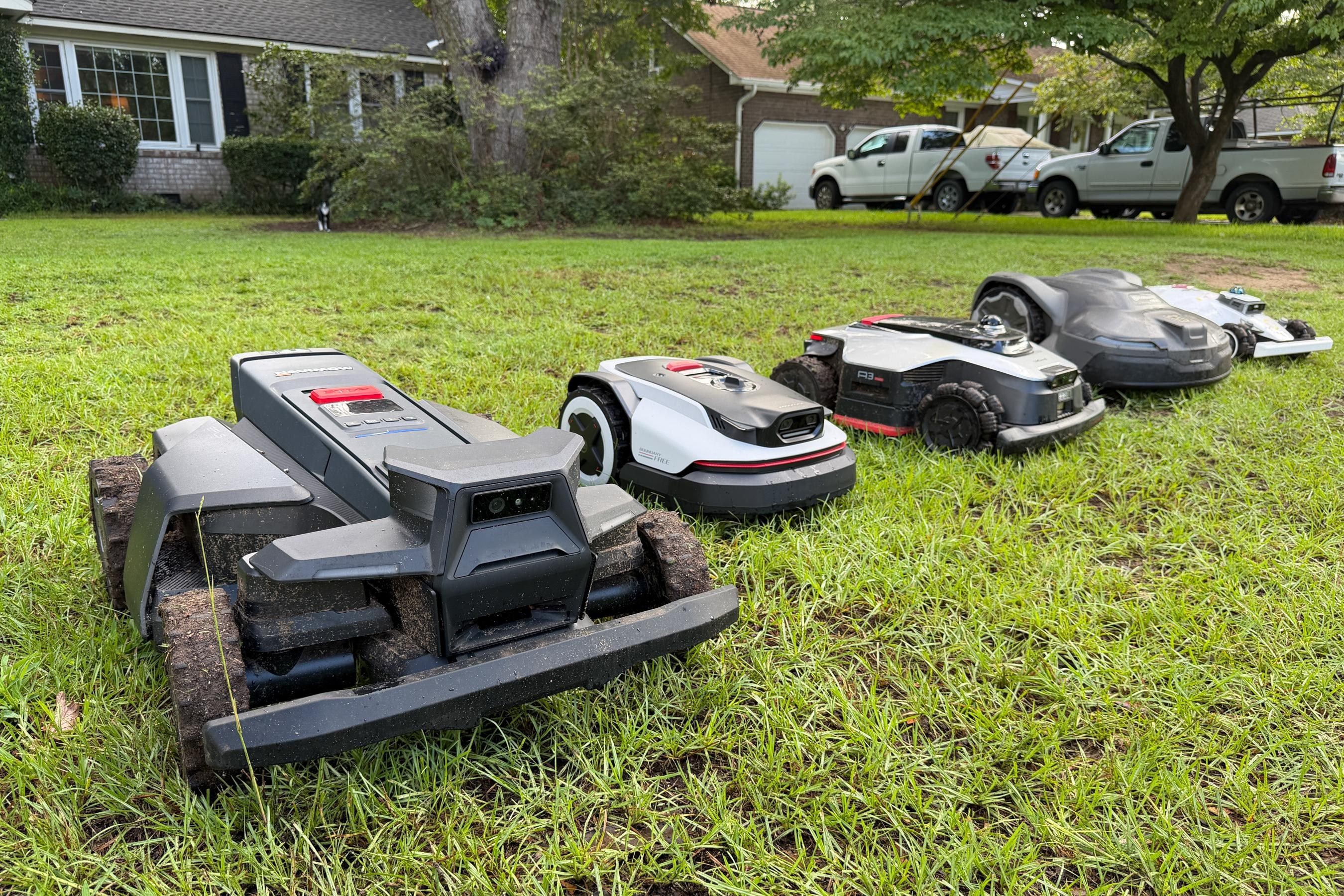
This summer, I put five robot lawn mowers to the test on my South Carolina property, and the results were illuminating. The evolution of these machines has been remarkable, making them a viable option for homeowners looking to lighten their yard maintenance load. However, they still require some supervision to avoid mishaps.
The testing ground was my flat, three-quarter-acre yard with sandy soil, centipede grass, and a scattering of trees. After last year's trials, which were filled with frustrations, this year’s experience showcased significant advancements in navigation and maneuverability. My lawn has never looked better, and my spouse, once skeptical after a mishap, has become a firm believer, leaving the riding mower untouched.
The standout feature of this year's crop of robot mowers is their newfound ability to navigate with precision, thanks to the integration of network RTK (real-time kinematic) technology. This satellite positioning system allows for centimeter-level accuracy, which is essential for avoiding the dreaded lawn mishaps of the past. The mowers now come equipped with RTK antennas that can be installed in your yard, although they require a clear view of the sky to function optimally.
Most models I tested utilized NetRTK, which connects to a network of RTK reference stations via Wi-Fi or 4G, eliminating the need for a direct antenna installation. This was a game-changer, as it allowed me to deploy the mowers without extensive setup, but proper coverage is essential.
Despite these advancements, there are still challenges. While obstacle detection has improved, my mowers still found ways to create chaos—one mower destroyed a patch of grass over three days before I intervened. Additionally, navigating around hoses and cars remains tricky, and the issue of traversing gates persists; I still have to open mine manually to let the mowers access the whole yard.
I assessed several high-end models to find the best fit for my landscape: the Husqvarna 420 IQ ($3,299), Mammotion Luba 3 AWD 3000 ($2,799), Navimow X430 ($2,499), Dreame A3 AWD Pro 2500 ($3,099.99), and the more affordable Roborock RockNeo Q110H ($1,299). Each model comes with varying features tailored to different yard sizes and terrains.
Ultimately, the Segway Navimow X430 emerged as the top performer. Weighing in at 60 pounds, it effortlessly maneuvered through my yard without getting stuck, thanks to its robust 4WD system and advanced navigation combining RTK with vSLAM and vision-based tech. It completed mowing tasks efficiently, often finishing in under three hours, significantly faster than its competitors. The remote-control feature also proved handy for touch-ups in sensitive areas.
However, the Navimow isn’t without its quirks, such as occasionally missing blades due to its speed and an overly cautious rain-sensing feature that sometimes halted mowing unnecessarily. The Dreame A3 AWD Pro 2500 offered a solid alternative, especially for those without reliable RTK access, though it occasionally struggled with navigation and consistency.
In conclusion, while these automated mowers are not perfect—relying on cloud services and still facing challenges with durability and navigation—they represent a significant step forward in lawn care technology. For those with challenging landscapes, careful selection based on specific yard needs is crucial.
Source: www.theverge.com
#Dreame A3 #robot lawnmowers #Segway Navimow #technology #yard maintenance