Iceland's Crucial Vote: The Future of EU Membership Hangs in the Balance
By Editor • August 29, 2026 • 2 min read
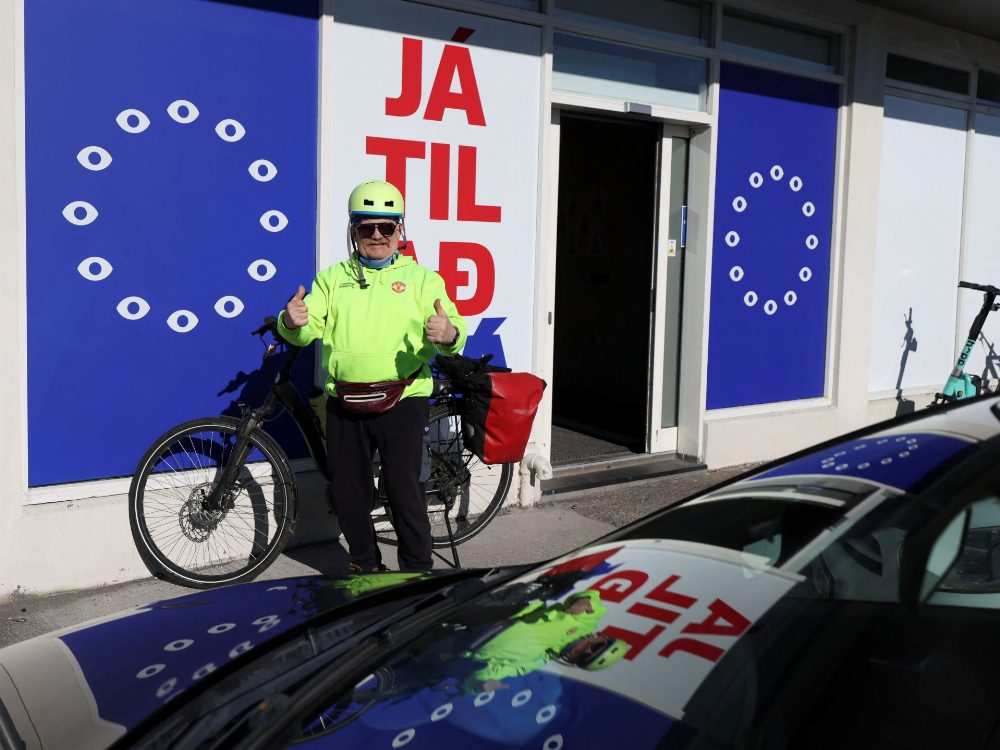
On Saturday, Icelanders will cast their votes in a pivotal election that could determine whether the island nation resumes its pursuit of European Union membership. This decision, halted thirteen years ago by a Eurosceptic government, comes at a time when economic and geopolitical landscapes are shifting dramatically.
The backdrop for this vote is a complex tapestry of rising living costs, currency instability, and heightened Arctic security concerns stemming from Russia's aggression in Ukraine. Prime Minister Kristrun Frostadottir, leader of the pro-EU Social Democrats, has committed to respect the outcome of the referendum, stating that a "yes" vote would lead to serious negotiations with Brussels, ultimately culminating in a second referendum to decide on full membership.
Recent surveys have shown a nearly even split among the populace regarding the EU question. A Gallup poll indicated that 51.6% of respondents oppose reinitiating membership talks, while 48.4% support them. In contrast, an earlier poll by Maskina found a slight majority in favor of engaging with the EU.
Experts suggest that Iceland's historical reliance on NATO, particularly the United States for security, is a significant factor in the current debate. Gabriella Gricius, an associate professor at the Norwegian Military Academy, emphasizes that as U.S. unpredictability grows, Iceland's search for more robust security assurances becomes increasingly relevant. Adam Fishwick from the University of Iceland points out that potential benefits of EU membership include reduced inflation, a stabilized currency, and increased access to EU funds for regional development.
However, the conversation around EU accession remains deeply polarizing. Critics argue that joining the bloc would erode Iceland's control over domestic policies, particularly concerning its vital fishing industry, which directly contributed about 8% to the GDP in 2024. Concerns about EU regulations potentially imposing new catch quotas and foreign competition have fueled opposition to membership.
Furthermore, Iceland's Ministry of Finance and Economic Affairs has acknowledged the costs of maintaining its own currency might outweigh the benefits, hinting that adopting the euro could lead to lower interest rates and reduced transaction costs.
Amid these discussions, the geopolitical context cannot be ignored. Iceland, despite being a NATO founding member, has no standing military forces and is situated in a region of rising tension, with both the U.S. and Russia seeking influence. Foreign Minister Thorgerdur Gunnarsdottir has expressed that EU membership could enhance Iceland's political and economic security, even as the U.S. remains a key ally.
As Icelanders prepare to vote, the implications of their decision are enormous, not just for the island, but for the broader Arctic and European geopolitical landscape. Whether they choose to reengage with the EU could reshape their national identity and security posture in unpredictable ways.
Source: www.aljazeera.com