India's Dilemma: The Extradition of Sheikh Hasina Amidst Political Turmoil
By Editor • August 18, 2026 • 2 min read
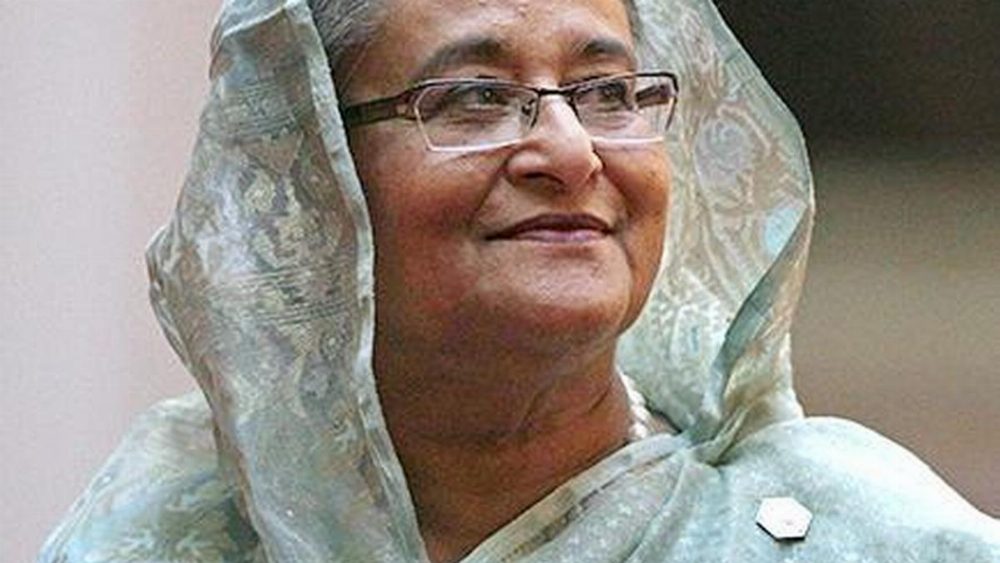
The ongoing political crisis in Bangladesh has prompted the government to urge India to extradite former Prime Minister Sheikh Hasina, who has been residing in India since her escape from Dhaka on August 5, 2024. During a press conference at the Foreign Correspondents’ Club in New Delhi on August 5, 2026, Hasina painted a grim picture of her home country, stating, "Fear has entered homes, workplaces and campuses," a reflection of the turmoil that has engulfed Bangladesh since her departure.
Bangladesh's Ministry of Foreign Affairs responded swiftly, labeling Hasina a "convicted genocider" and holding her accountable for the deaths of civilians, including children, during the violent uprising in the summer of 2024. The interim government, which took power amid the upheaval, has been vocal in its quest for justice, seeking the extradition of Hasina, as well as the apprehension of those believed to be responsible for the assassination of Osman Hadi, a radical student leader.
Under the 2013 extradition treaty between India and Bangladesh, extradition can occur for individuals accused of crimes in either country. However, the treaty includes a significant caveat in Article 6, which allows for the refusal of extradition in cases involving political offenses. This ambiguity raises questions about whether the charges against Hasina might be interpreted as politically motivated, especially given the lack of substantial evidence that has marred the credibility of the International Crimes Tribunal (ICT) verdict that sentenced her to death on November 17, 2025.
According to a United Nations report, the violent police crackdown during the unrest led to approximately 1,400 deaths, with Hasina being held responsible by the interim government. As tensions escalate, the Awami League, Hasina's political party, has criticized the ICT's proceedings as predetermined and unfair, further complicating the diplomatic landscape. The Bangladesh government has since submitted a diplomatic note to India, requesting Hasina's extradition, but New Delhi has remained non-committal, emphasizing its commitment to fostering peace and stability in Bangladesh.
Compounding the issue is the fact that India has historically used the extradition treaty to address less politically charged cases, like that of Noor Nabi Maxon, who was extradited in 2022 for multiple murder charges. The treaty is seen as a vital framework for extraditing fugitives between the two nations, yet the current political climate necessitates careful consideration, as officials suggest that returning Hasina might incite significant unrest.
Moreover, the demand for the extradition of the suspects involved in Osman Hadi's murder is also tied to Bangladesh's request for Hasina. Hadi's assassination has fueled protests and calls for justice from the Jamaat-e-Islami party, highlighting the domestic political stakes in this complex web of extradition requests. With tensions high and political sentiments at play, the potential extradition of Sheikh Hasina remains a contentious issue that could impact the already delicate relations between India and Bangladesh.
Source: www.thehindu.com
#Bangladesh #extradition #India #political unrest #Sheikh Hasina