Iran and Oman Pursue Shipping Corridor Amid Strait of Hormuz Tensions
By Editor • August 26, 2026 • 2 min read
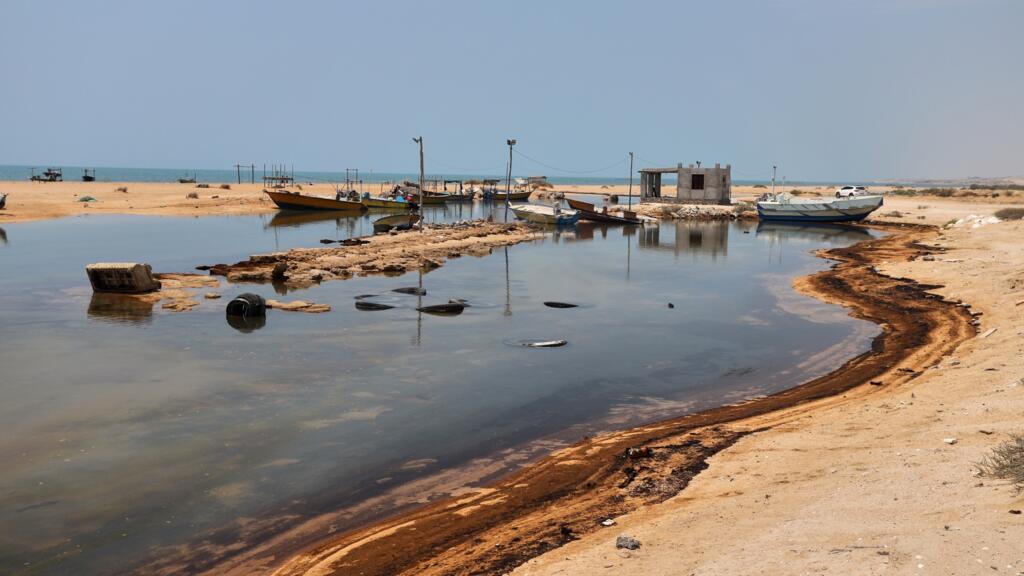
In a significant diplomatic effort, Iran and Oman are engaged in negotiations aimed at establishing a controlled shipping corridor in the critical Strait of Hormuz. This initiative comes as both nations seek to revive navigation that has been disrupted since the onset of conflict in the region, particularly following US-Israeli military actions that began in late February.
The discussions revolve around a framework that would facilitate a 'temporary corridor' for maritime traffic and involve the clearance of mines in the strait, which is essential for global oil and gas trade. A joint statement from the Iranian and Omani foreign ministries highlighted the ongoing talks, although specific terms for reopening the waterway remain unresolved.
Omani Foreign Minister Badr Albusaidi expressed optimism on social media, indicating that practical steps towards restoring safe navigation would be announced shortly. He mentioned that future governance of the strait and a more permanent solution will be discussed later.
Conversations also included Iranian Deputy Foreign Minister Kazem Gharibabadi, who outlined a plan where vessels entering the Gulf would operate through Iranian waters, while those exiting would navigate Omani waters. He noted that if an agreement is finalized, both countries would have a window of 30 to 60 days to establish a permanent route. The involvement of Iran's Revolutionary Guards in these discussions underscores the complexity of the negotiations.
However, Tehran has made it clear that the reopening of the strait is contingent upon US concessions, particularly regarding sanctions and the broader conflict in the region. Gharibabadi warned that the strait would not be reopened until the US fulfills its commitments, linking the issue to the war in Yemen and the Iranian blockade.
The negotiations are reportedly slow due to the intricate nature of issues like sovereignty and jurisdiction over vessels, as well as potential fees. As noted by Omani researcher Abdallah Baaboud, this process represents both nations' attempts to define a new security architecture for the Strait of Hormuz post-conflict.
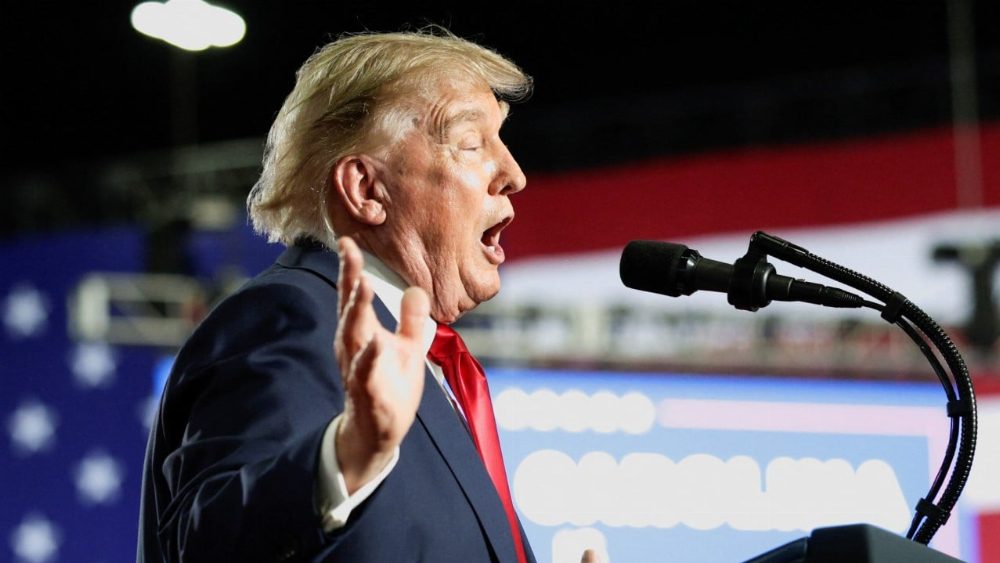
Washington has not publicly responded to the latest developments but has previously indicated progress in discussions related to the Hormuz situation. While President Donald Trump has claimed US control over the strait, Iran has contested this assertion, leading to a delicate balancing act for Oman as it navigates its diplomatic role between the two nations.
Source: www.france24.com