Mastering Chopsticks: Essential Etiquette and Techniques
By Editor • August 22, 2026 • 2 min read
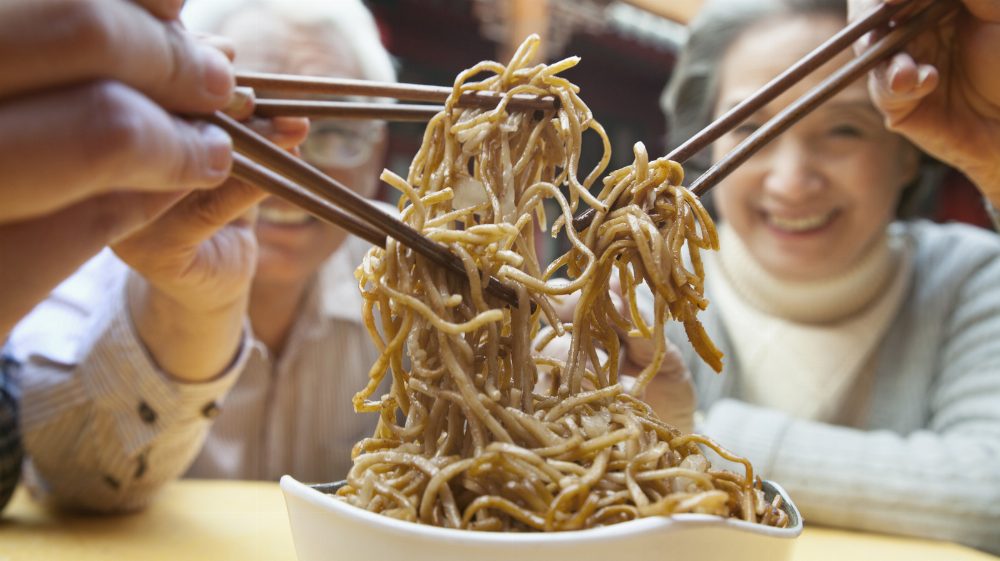
Chopsticks have been a staple dining utensil for approximately 5,000 years, with over a third of the world's population relying on them for meals. Originating in China during the Late Neolithic Period, these tools reflect the evolution of eating habits, adapting through centuries to suit various cuisines across East Asia.
As chopsticks spread to Korea and Japan, they were modified to meet local culinary requirements. By the 17th century, cultural exchanges introduced the term "chopsticks" to Western languages, likely derived from a pidgin blend of English and Cantonese, first documented in 1699.
Despite their global presence, many users struggle with proper chopstick etiquette and technique. To shed light on this, The Takeout consulted two culinary experts: Rich Wang from Minyoli in Chicago and Ken Hosoki from Blue Ribbon Sushi in Nevada. They aim to demystify chopstick usage, encouraging diners to embrace this ancient practice with confidence.
Both chefs emphasize that chopsticks are not inherently difficult to master. "A common misconception is that they're tough to learn," says Hosoki, noting that most individuals can become proficient after a few meals. Wang concurs, explaining that many people feel intimidated by chopsticks due to misconceptions about the required dexterity. He advises beginners to approach chopsticks as a simple tool, rather than a complex skill.
To effectively use chopsticks, they recommend a few fundamental techniques. The lower chopstick should remain stable, resting on the ring finger, while the upper one is maneuvered with the thumb, index, and middle fingers. Hosoki suggests that this may feel awkward initially, but with practice, it becomes second nature. He adds that beyond technique, the Japanese culture emphasizes care and attention during meals, which enriches the dining experience.
However, using chopsticks correctly also involves avoiding certain faux pas. Hosoki points out that gripping chopsticks too tightly or attempting to stab food with them are common mistakes. Wang warns against holding them too low on the stick, as this hampers leverage. More glaring misuses include employing chopsticks to cut food or banging them against bowls, which is considered disrespectful.
Understanding the differences in chopsticks across cultures can enhance your dining experience. Wang explains that Chinese chopsticks are longer and feature a blunt end, which aids in reaching shared dishes on large tables, while Japanese chopsticks are shorter with pointed tips, ideal for delicate foods like sushi. Korean chopsticks, often made of stainless steel, have a rectangular profile suited for the pickled and soupy dishes typical of Korean cuisine.
Ultimately, chopsticks not only serve as utensils but also as cultural symbols. Their proper use requires practice and respect. So whether you're dining at a Chinese restaurant or enjoying sushi, mastering chopsticks can elevate your culinary experience and demonstrate appreciation for the rich traditions behind this ancient tool.
Source: www.thetakeout.com
#Asian dining #chopsticks #Cuisine #culinary tips #etiquette