Mastering the Cheesesteak: Top Beef Cuts to Choose and Avoid
By Editor • August 24, 2026 • 2 min read
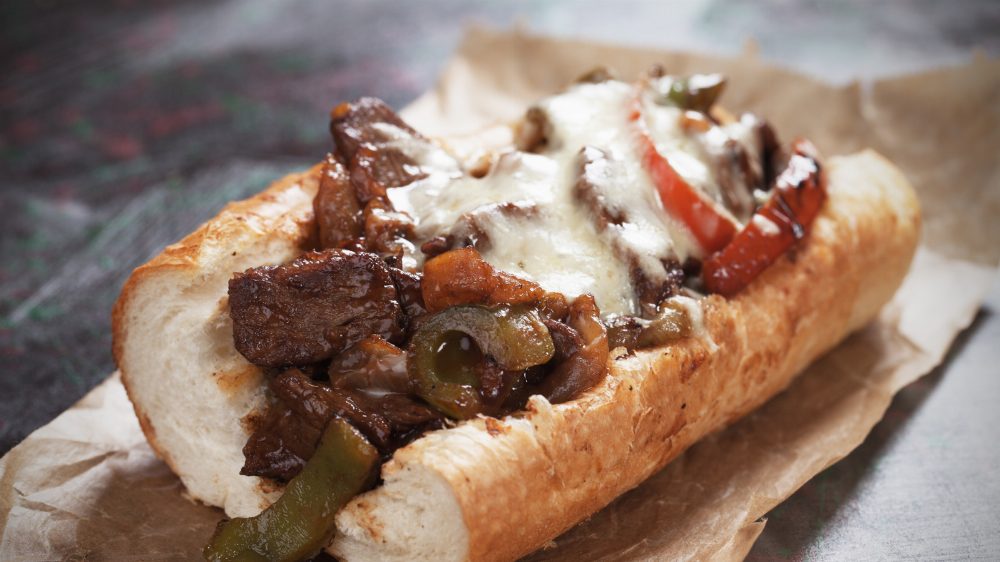
The cheesesteak, a culinary icon hailing from Philadelphia, is a sandwich that has captured the hearts—and appetites—of many. To truly elevate your homemade version, selecting the right beef cut is essential. Executive Chef Dagan Lynn from Beef. It’s What’s For Dinner shares expert advice on the best options for crafting the perfect cheesesteak.
Lynn recommends four prime cuts of beef: top sirloin, ribeye, flat iron, and flank steak. These selections are not only tender but also easy to slice thinly, making them ideal for the quick-cooking methods that define a great cheesesteak. Ribeye, in particular, stands out for its rich marbling, which delivers a juicy and flavorful bite. This cut has been a staple at renowned Philadelphia establishments like Geno’s Steaks and Uncle Gus’ Steaks for decades.
Top sirloin offers a leaner alternative that still packs a punch in the flavor department. While it requires more careful cooking to prevent dryness, its firm texture complements the classic combo of peppers, onions, and melted cheese. Lynn emphasizes that his team uses top sirloin in their Philly cheesesteak recipe for its ability to maintain flavor during quick cooking.
Flank steak is another economical choice, known for its intense beef flavor, although it may be slightly tougher. To mitigate this, marinating the sliced steak before grilling can enhance tenderness, and slicing against the grain is crucial to ensure a satisfying chew. Flat iron steak, akin to filet mignon in tenderness but with a robust flavor, can be shaved thin before cooking or cut into slices after grilling, making it a versatile pick for your cheesesteak.
On the flip side, Lynn warns against using certain cuts that are less suited for cheesesteak preparation. Brisket, typically requiring long cooking times, may not align with the swift grilling process that cheesesteaks demand. While it can be used if smoked and cooled first, the effort involved makes it a less practical choice.
Short ribs, while delicious when braised, do not lend themselves well to slicing and grilling, resulting in a texture that diverges from the traditional cheesesteak experience. Lastly, stew meat—which consists of assorted tough cuts—should be avoided altogether. These pieces are designed for stews and soups, not the quick, satisfying bite of a cheesesteak.
Source: www.thetakeout.com
#beef cuts #cheesesteak #cooking tips #culinary advice #Philadelphia