Mid-Tier Fashion Flourishes Amid Economic Uncertainty in the U.S.
By Editor • August 19, 2026 • 2 min read
As the economic divide in America widens, an unexpected trend emerges in the fashion landscape: the resurgence of mid-tier brands. In this climate of stark contrasts, where luxury feels increasingly unattainable and fast fashion's allure diminishes, these approachable brands are gaining traction, resonating with consumers seeking both style and reliability.
Brands like GAP are making a notable comeback, attracting top talent for collaborations and fresh campaigns. Their alignment with figures such as Hailey Bieber and Malcolm Todd indicates a shift towards a more vibrant and engaging approach to mid-tier fashion. In a similar vein, Coach has enlisted Charli XCX and PinkPantheress as ambassadors, while Kate Spade has tapped Tyla, showcasing an industry-wide effort to redefine accessibility.
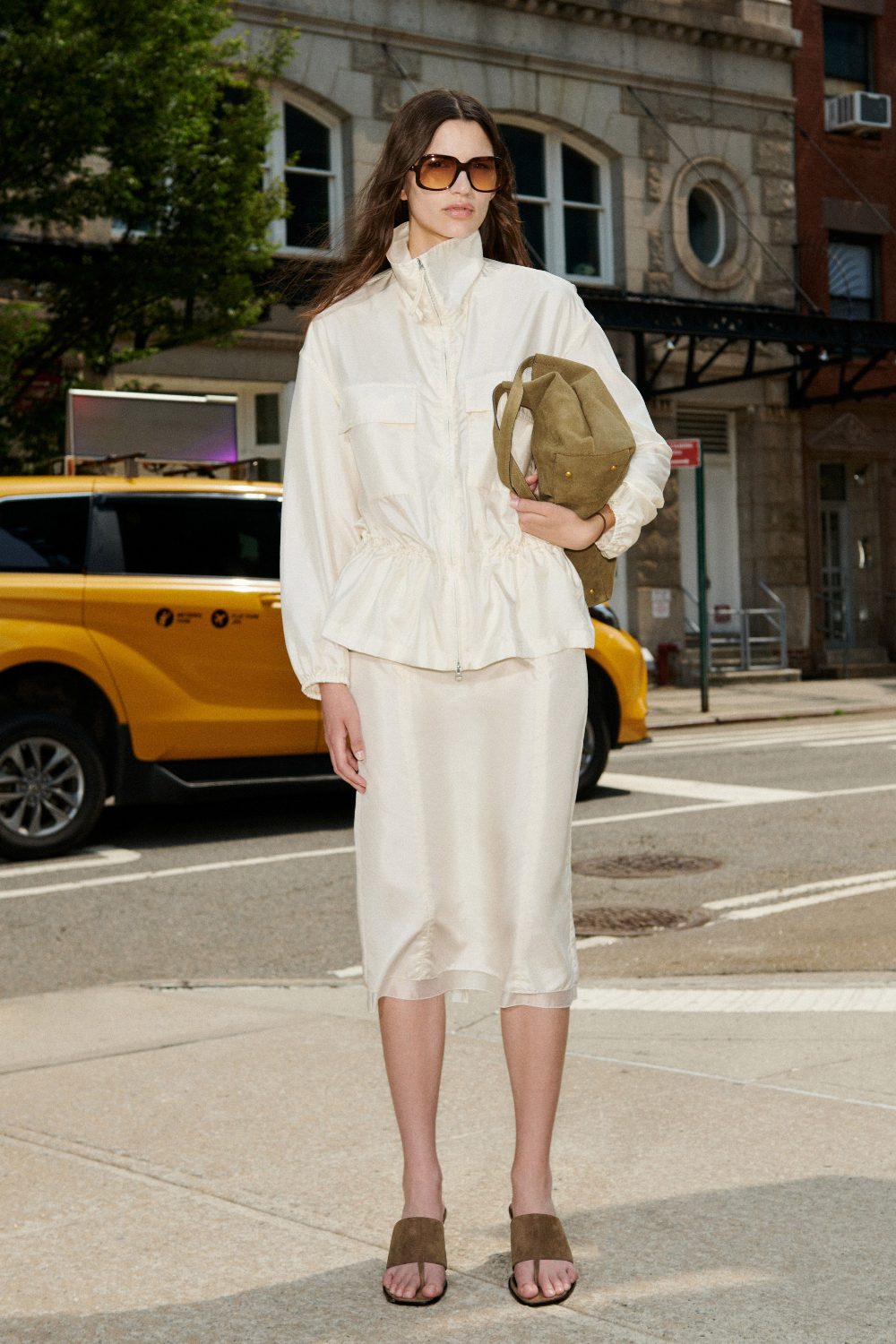
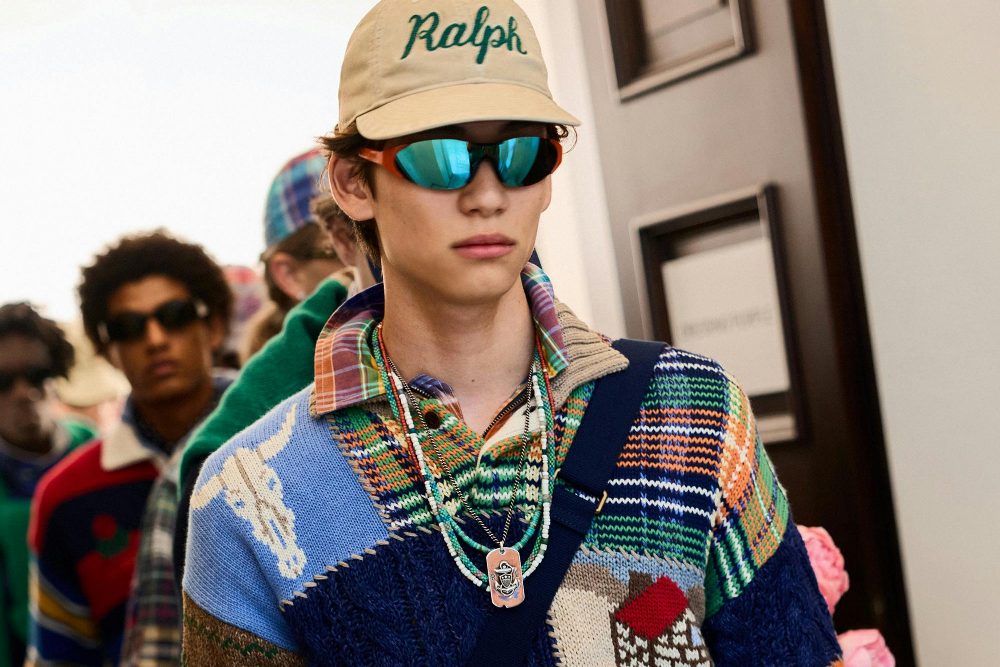
This movement is not limited to established names; newer direct-to-consumer brands like Alex Mill and Los Angeles Apparel are also thriving. The appeal lies in a style that is both familiar and uncomplicated, characterized by a blend of casual and sporty aesthetics. American fashion, traditionally not labeled 'high fashion,' focuses on staples that enhance in value through the wearer’s skillful styling rather than mere price tags.
Pieces like classic denim, chinos, and versatile tees embody this ethos, reflecting a “middle class” that embraces comfort and ease—qualities that are particularly appealing in today’s socio-economic climate. This contrasts sharply with high-fashion imagery, which often feels disconnected from everyday realities.
The allure of mid-tier fashion is further emphasized by its inclusive nature, inviting participation from a broad audience. Brands like J. Crew and Madewell, alongside newcomers, offer a sense of community and accessibility that stands in stark contrast to the more exclusive narratives often propagated by European competitors. This shift towards an attainable aesthetic is mirrored in the cultural zeitgeist, where warmth and ease resonate more than the cold, distant vibes of high-end fashion spreads.
Yet, while mid-tier fashion finds its footing, the juxtaposition with high-fashion representations, such as the recent Vogue US September issue featuring models draped in Chanel, raises questions about relevance and relatability. The imagery, while visually striking, feels out of sync with the current consumer sentiment, which leans towards authenticity and comfort.
In this evolving landscape, the mid-tier brands not only respond to market demands but also embody a broader cultural shift. As consumers increasingly prioritize accessibility and reliability, these brands are positioned to thrive, creating an exciting chapter in American fashion.
Source: www.highsnobiety.com
#American brands #Coach #consumer trends #Gap #mid-tier fashion