Moroccan Minors in Ceuta Cling to Dreams of Europe Despite Harsh Realities
By Editor • August 19, 2026 • 3 min read
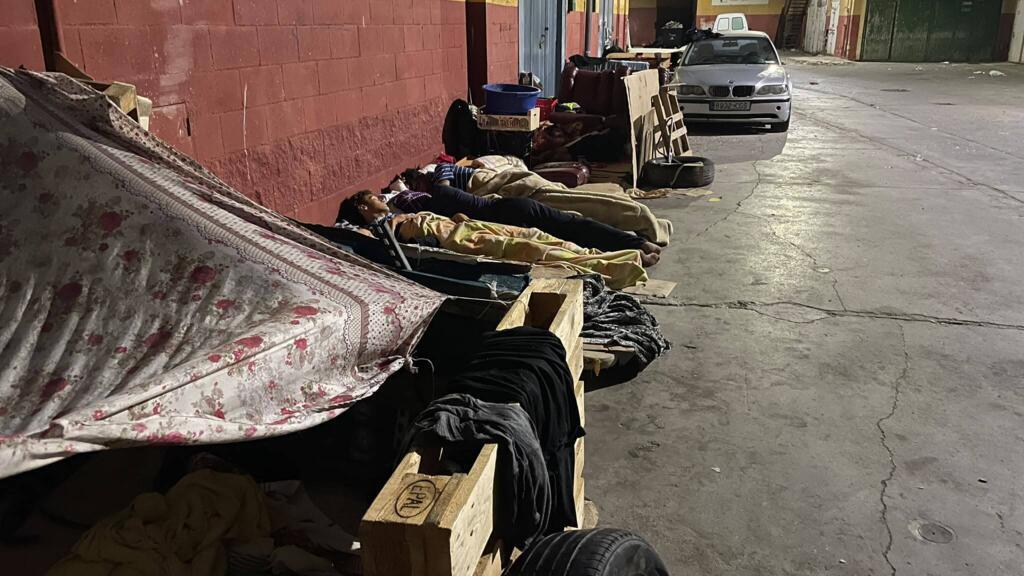
In the shadowy hours of the night, a group of unaccompanied Moroccan minors huddles in the Tarajal industrial zone of Ceuta, a Spanish enclave in North Africa, refusing to surrender their dreams of a brighter future in Europe. Their stories of hope and despair unfold against a backdrop of cold nights and uncertain days, as they navigate the harsh realities of life on the streets.
On the night of August 12, FRANCE 24 met with these young migrants, where a heavy silence permeated the air, occasionally interrupted by the flashing lights of police vehicles. Many of the minors sleep on makeshift beds of thin mattresses or directly on the cold floor, with only a handful of shared blankets to shield them from the elements.
Since a surge of over 70,000 migrants crossed into Ceuta from Morocco on July 30-31, the Spanish government has reported that around 2,500 minors are now living on the streets, with local NGOs estimating nearly 4,000 are unaccompanied. While many chose to return home, a significant number remain, driven by a belief that Europe holds better prospects.
Reda, a 17-year-old who left his home to escape harsh living conditions, insists, "We won’t go back; we have no desire to go back." He recounts dreams of completing his education and pursuing a football career, yet he faces daily dangers. Khaled, another minor, shares a traumatic experience of being attacked by armed youths, where a friend was fatally wounded in front of him. "My friend was killed right before my eyes; I will never forget that scene," he laments.
Manal, a 16-year-old girl, echoes similar sentiments, recounting her harrowing journey from Tangier and the violence she faced upon arrival. Despite earlier attempts to reside in a migrant center, the violence drove her back to the streets. "I feel like life has closed its doors on me. I have neither ambition nor a future," she says, revealing her modest hope to improve her family's financial situation.
Conditions in the industrial zone are dire; many children suffer from untreated injuries and poor hygiene, leading to infections and ailments like scabies. Access to basic necessities is limited, with makeshift toilets nonexistent, forcing minors to use the beach. The only meals they receive come from local NGOs, distributed just once a day.
As the early morning light breaks, hundreds of minors gather outside the Ceuta police station, hoping to register for protection services. However, the lengthy lines and bureaucracy have left many in limbo, with only around 1,400 minors having completed the registration process thus far.
Spanish and Moroccan authorities are working towards family reunifications and repatriation of these minors, but the complexities of individual assessments and legal safeguards complicate the process. Basem Salem, an immigration lawyer, points out that unaccompanied minors cannot be collectively repatriated, emphasizing the need for thorough evaluations of each child's situation.
With the urgent crisis unfolding, the Spanish government has allocated €25 million to assist Ceuta in managing the influx, while a conference is planned to discuss resource distribution between central and local authorities. Yet, as these minors continue to wait, they remain caught between the hope of a better life in Spain and the fear of being sent back to Morocco.
Source: www.france24.com
#Ceuta #European dream #humanitarian crisis #migrants #Moroccan minors