Mozilla's CTO Pushes for Open AI Solutions Amid Proprietary Dominance
By Editor • August 13, 2026 • 3 min read
As artificial intelligence becomes increasingly integral to the fabric of business and governance, Mozilla is stepping up its advocacy for an open AI ecosystem. The organization, known for championing an open internet, recently released a report revealing that the gap in performance between leading open-source AI models and proprietary systems like Claude and ChatGPT has shrunk to a mere 3%. This finding underscores the rising prominence of open models, such as Alibaba's Qwen, which dominated downloads in February 2026.
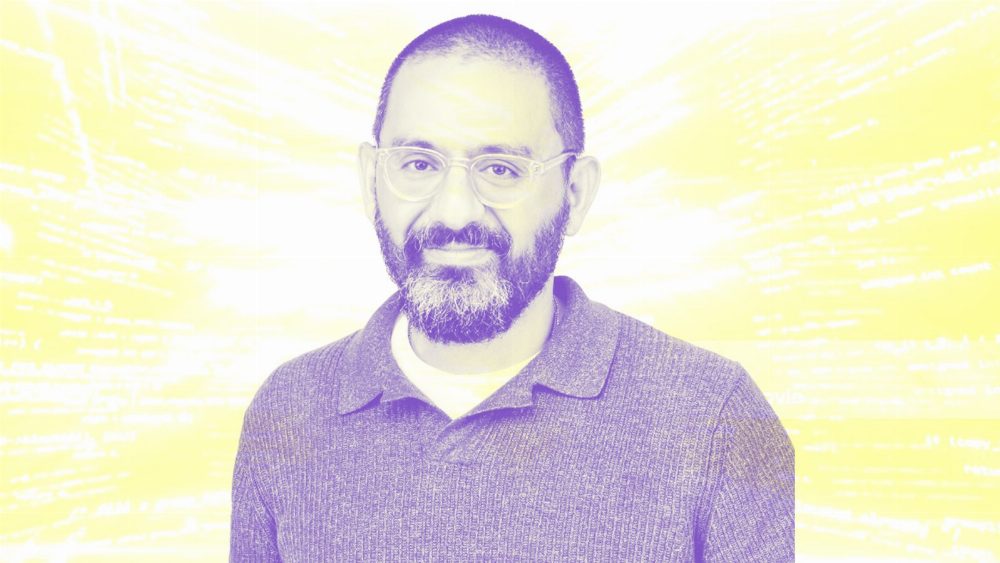
Raffi Krikorian, Mozilla's Chief Technology Officer, is at the forefront of this movement, arguing that organizations must explore alternatives to proprietary AI systems to regain control over their data and infrastructure. His extensive career, which spans significant roles at Twitter and Uber, has equipped him with a unique perspective on technology's evolution and its implications for consumers.
In a recent dialogue with Rest of World, Krikorian emphasized the necessity for policymakers to rethink AI as a fundamental infrastructure rather than a mere product. He noted that while individual users might gravitate towards popular platforms like ChatGPT, it is businesses that are increasingly turning to open models due to their cost-effectiveness and control, particularly in regulated industries that prioritize data security.
Despite the advantages of open-source AI, Krikorian lamented the lack of public awareness about its potential for savings and efficiency. He remarked, "I don’t have a good answer as to why people aren’t shouting from their rooftops that they’re saving all this money." This lack of understanding may stem from the complexity of open-source models, which can intimidate users unfamiliar with the technology.
Moreover, Krikorian pointed out that geopolitical factors, particularly regarding China, complicate the landscape for open AI development. He expressed frustration that more countries are not stepping up to fill the demand for open models, suggesting that American, Indian, and European firms should be positioned to compete in this space.
Krikorian believes that the current focus of the U.S. government may be misaligned, as it appears to favor established tech giants over fostering a more transformative ecosystem. He argued, "Americans have generally filed intelligence as a product… but it should be filed as infrastructure," indicating a critical distinction in how AI should be categorized and approached.
Addressing the nuances of open-source AI, Krikorian acknowledged that while some parties may be skeptical about the transparency of these systems, understanding their functionality is vital. He pointed out that the ability to download, run, and modify open-weight models presents opportunities for diverse applications tailored to local needs.
He also highlighted the necessity of fine-tuning these models to reflect community values and languages, emphasizing that while computer scientists might navigate this landscape with ease, community leaders might struggle without adequate resources. He stated, "The pathway to have really local models… is to take these big open-weight models and fine-tune them to our use cases."
While acknowledging the strategies of major tech companies, Krikorian remarked that their motivations are often limited to maximizing profits in specific regions, leaving a gap in representation for the global community. He sees the open-source movement as essential to ensuring that diverse voices and needs are incorporated into the AI conversation.
Reflecting on Mozilla's legacy, Krikorian noted that the presence of alternatives like Firefox has historically pushed the industry towards openness. He envisions a similar dynamic unfolding within the AI sphere, where a robust open-source ecosystem could challenge the dominance of proprietary systems, ultimately benefiting the broader public.
In conclusion, as AI technology continues to evolve, Krikorian and Mozilla's advocacy for an open AI landscape may play a crucial role in shaping a more equitable and transparent future for the industry.
Source: restofworld.org
#Mozilla #open AI #proprietary systems #Raffi Krikorian #technology