Navigating Change: OMA's New Leadership and Vision for the Future
By Editor • August 31, 2026 • 3 min read
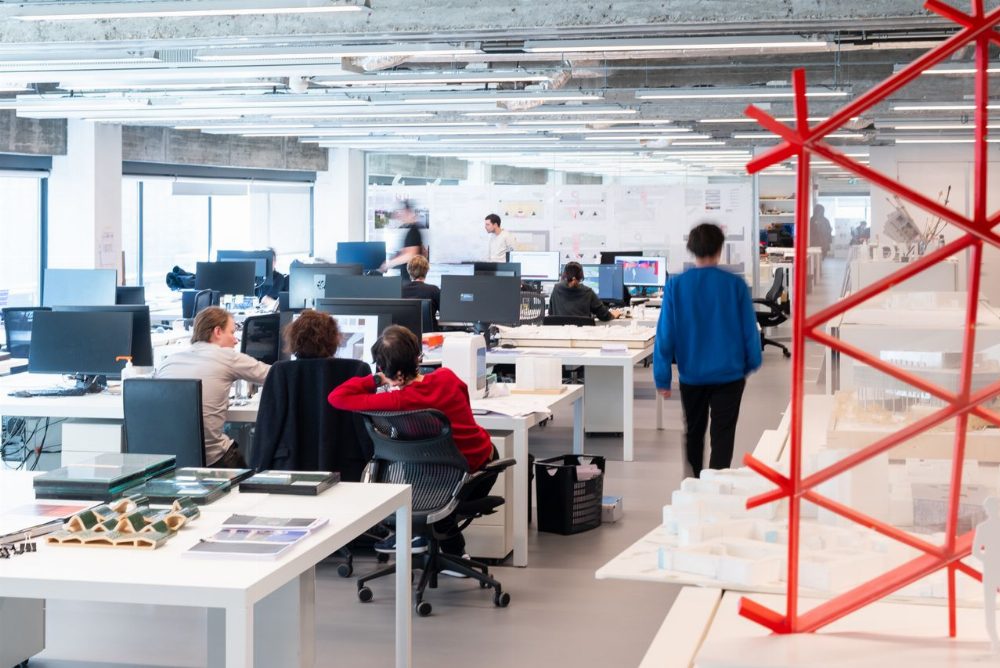
As the architectural landscape evolves, the Office for Metropolitan Architecture (OMA) is stepping up to embrace transition with the appointment of three new partners: Marianne Anthonissen, Kaveh Dabiri, and Samir Bantal, all effective from July 2026. This leadership expansion comes as OMA experiences significant growth, transforming its operations and business strategies in the architectural realm.
In a recent discussion, we sat down with Anthonissen and David Gianotten, the firm’s current executive leader, now joint managing partners. They shared insights into OMA's journey, emphasizing the importance of adaptability and the role of management within the architectural practice.
Marianne Anthonissen, who joined OMA in 2016, highlighted her evolution within the firm from chef de bureau to focusing on people operations. Her experience in South Africa shaped her approach to organizational dynamics, emphasizing collaboration among architects and support staff. Meanwhile, David Gianotten's trajectory began in 2009, transitioning from running his own practice to taking on management roles at OMA. He noted that managing such a large team can be isolating, which is why he welcomes the shared leadership structure.
The complementary strengths of Anthonissen and Gianotten are central to their collaborative management style. Gianotten oversees operational efficiency and financial health, while Anthonissen concentrates on nurturing office culture and fostering talent. Both leaders agree that a background in architecture is beneficial in management, allowing them to navigate the complexities of running a creative firm.
Reflecting on OMA's evolution, Gianotten recalled joining when the firm had only 59 employees. Since then, the workforce has nearly quintupled, necessitating a more structured management approach while retaining the creative spirit. He described OMA's transformation from 'unorganized creative chaos' to a more 'organized creative chaos,' emphasizing that the latter allows for flexibility and innovation.
Throughout their conversation, both leaders acknowledged the importance of responding to external shifts in the environment, including the impact of technology and new generational expectations on work culture. Anthonissen noted that the firm continuously adapts to these changes, ensuring that OMA remains relevant in an evolving landscape.
When discussing future growth, Gianotten pointed out that while OMA has always conceptually addressed large-scale urban challenges, the firm has intentionally maintained a stable number of partners to ensure quality in creative endeavors. He emphasized the value of intellectual investment over mere numerical growth, stating that the firm seeks to remain a testing ground for ideas and strategies.
As attitudes toward work shift, Anthonissen expressed the need for a balance in how employees navigate their creative passions and personal lives. OMA, with its esteemed reputation, attracts top talent worldwide, but this competitive environment must be managed carefully to foster collaboration rather than tension.
Looking ahead, both partners outlined their vision for the next five to ten years. They intend to avoid projects that promote negative behaviors and are committed to contributing positively to global dialogues, regardless of political contexts. With pride in OMA's legacy, they seek to navigate the future with a focus on meaningful contributions that resonate with both their team and the communities they serve.
Source: www.wallpaper.com