Navigating Taxes on Side Incomes: What You Should Know
By Editor • August 25, 2026 • 1 min read
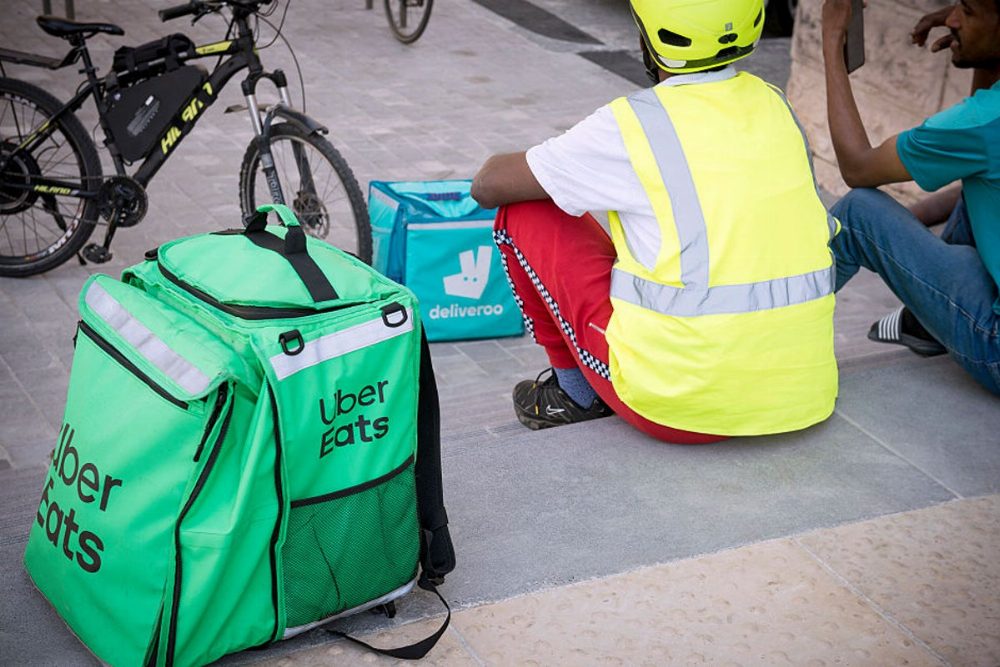
With the rise in living costs, many individuals in the UK are turning to side hustles to supplement their income. Research from PensionBee indicates that by 2026, half of UK adults will have engaged in some form of extra work.
The good news is that you can earn up to £1,000 tax-free thanks to the self-employment trading allowance. However, any earnings exceeding this limit must be reported and could be subject to tax. If you make over £12,570 from your side hustle, National Insurance contributions at a rate of 6% apply, increasing to 2% on earnings above £50,270.
If your side income exceeds £90,000, you’ll need to register for VAT as well. Side hustlers such as Uber drivers or Deliveroo couriers are classified as self-employed, making their earnings taxable. You can either deduct the £1,000 trading allowance or your actual expenses, which include platform fees and vehicle costs.
For vehicle expenses, you can claim actual costs or use simplified rates: 55p per mile for the first 10,000 business miles, dropping to 25p thereafter. For motorcycles, the rate is 24p per mile, while bicycles can claim 20p per mile.
Interestingly, sales made through platforms like Vinted and Depop typically don't require tax declarations, as profits are often minimal. Earnings from social media platforms such as YouTube and TikTok, however, are considered self-employment income and must be reported, with associated business costs eligible for deductions.
For those renting out a furnished room, income up to £7,500 is tax-free. Anything above requires reporting. Remember, the overarching rule is that earnings below £1,000 usually go untaxed. Keeping track of your income and expenses is crucial, so setting aside at least 20% from your side hustle for potential tax bills is wise.
Source: www.independent.co.uk
#income #National Insurance #self-employment #side hustle #tax