Navigating Tensions: Jewish Voters and the Democratic Party's Shift
By Editor • August 26, 2026 • 2 min read
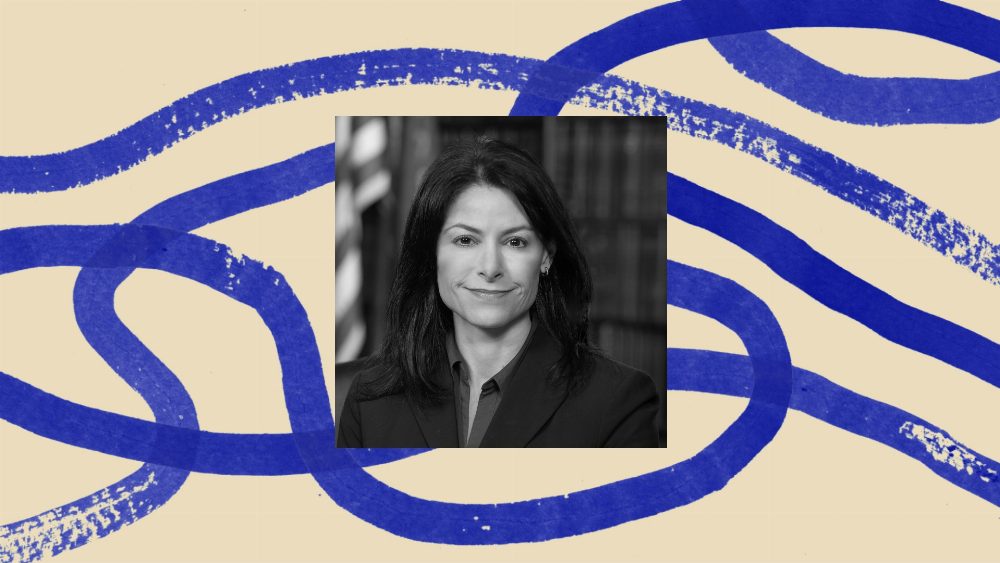
In a recent episode of The David Frum Show, discussions unfolded around the evolving dynamics between Jewish voters and the Democratic Party, particularly in light of rising anti-Semitism. David Frum, a staff writer for The Atlantic, hosted Michigan Attorney General Dana Nessel to explore these critical issues.
Nessel emphasized her concern over the Democratic Party’s approach towards Jewish communities, suggesting that the party risks alienating its Jewish base by assuming they can be easily replaced. She stated, “I think it’s a fundamental mistake for the Democratic Party to think that you can just push Jewish Democrats out and simply replace them with any other population.” This sentiment reflects a growing anxiety among Jewish voters about their place within a party that seems increasingly hostile.
The conversation also touched on the rhetoric used by prominent figures like Abdul El-Sayed, a Michigan Democratic Senate candidate, which has raised alarms among Jewish constituents. Frum and Nessel delved into the implications of this shift, noting that it leaves many Jewish voters feeling cornered, unsure of where to turn politically.
As the episode progressed, Frum pivoted from the discussion of anti-Semitism to another pressing topic: the breakdown of trade negotiations between the U.S. and Canada. He argued that the current administration's aggressive trade tactics jeopardize not only diplomatic relations but also America’s global standing. Frum expressed concern that America’s treatment of Canada—a long-standing ally—could serve as a warning to other nations about the U.S.’s reliability as a partner.
Frum's analysis extended beyond economics, suggesting that the Trump administration's approach mirrors that of authoritarian regimes, focusing on dominance over mutual benefit. He explained that this shift in U.S. foreign policy sends a worrying message to countries worldwide: if the U.S. can treat Canada—its closest neighbor and friend—with such disregard, what might it do to others who are less connected?
In conclusion, the episode encapsulated the precarious position of Jewish voters within the Democratic Party, intertwined with a broader commentary on the current administration's foreign policy direction. Frum’s insights suggest a pressing need for the party to reassess its relationship with Jewish constituents amidst rising tensions.
Source: www.theatlantic.com
#anti-Semitism #Dana Nessel #David Frum #Democratic Party #Jewish voters #trade negotiations