Niger's Military Unrest Tests Russian Support Amidst Internal Strife
By Editor • August 31, 2026 • 3 min read
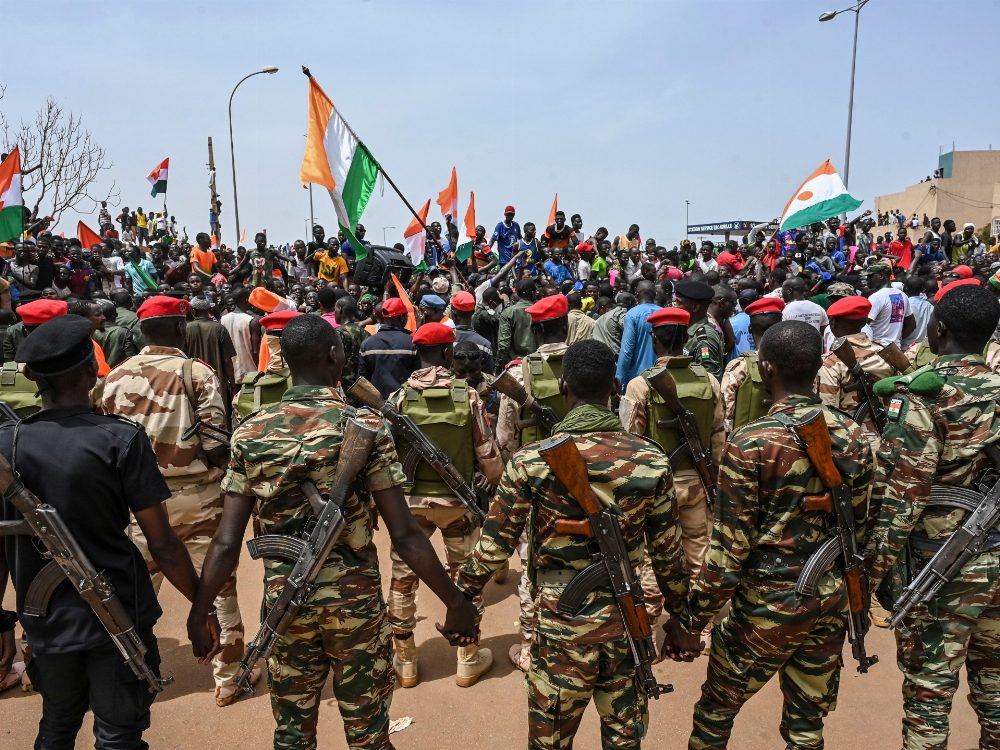
Niger's military government has recently grappled with a serious mutiny that has exposed deep-rooted tensions within its armed forces. The unrest, which began on Saturday at Base 101 located at Diori Hamani International Airport in Niamey, escalated into violent clashes that threatened key government sites, including the presidential palace and state broadcaster.
For hours, heavy gunfire and explosions echoed around the airport as soldiers reportedly took their fellow servicemen hostage, igniting a violent revolt that the Nigerien army ultimately fought to control. State media indicated that dozens of soldiers were either killed or arrested during the upheaval, a figure that remains unverified by independent sources.
In a notable twist, the Russian Africa Corps intervened at the request of Niger's authorities, providing much-needed ground and aerial support as government forces struggled to quell the insurrection. Russia's ambassador to Niger, Viktor Voropaev, confirmed that the government sought assistance from the Africa Corps to handle the mutiny, marking a significant moment in the evolving security dynamics of the region.
The involvement of Russian forces, particularly under the Africa Corps banner, represents a shift in Niger's military partnerships, as the country had previously been reliant on Western support. Following the coup that brought General Abdourahamane Tiani to power in July 2023, Niger has moved away from its ties with France and the United States, seeking instead to deepen its relationship with Russia and its neighboring military-led governments.
Since the coup, Niger's military has faced increasing pressure from armed groups affiliated with al-Qaeda and ISIL, particularly in the western regions where the army has suffered significant losses. Analysts suggest that the mutiny is rooted in frustration over the ongoing insecurity and rising casualties among Nigerien soldiers. Just earlier this month, an attack by an ISIL affiliate resulted in the deaths of 18 soldiers, underscoring the persistent threat the military faces.
The crisis not only highlights the internal struggles within Niger's armed forces but also raises questions about the effectiveness of its leadership under Tiani. Despite promising to restore security, the government now confronts a rebellion from within while still dealing with external threats. The mutiny is deemed the most serious challenge to Tiani's authority since his ascent to power.
While Russia's presence through the Africa Corps has provided immediate tactical advantages, it remains unclear whether this partnership will translate into long-term stability for Niger. The Africa Corps, comprising former Wagner Group personnel, has taken on a significant role in the region, stepping in where Western influence has waned.
In addition to Russian support, Algeria has reportedly provided military assistance during the mutiny, sending fighter jets and other aircraft to bolster Niger's defenses. However, the extent of support from neighboring countries like Mali and Burkina Faso remains uncertain.
This mutiny underscores a significant shift in Niger's security landscape, as the country grapples with a deteriorating situation that threatens both its sovereignty and its military effectiveness. As the government navigates this internal crisis, it faces the difficult task of restoring order while contending with the realities of its military partnerships and the ongoing threat posed by armed groups.
Source: www.aljazeera.com