Oil Giants Profit Amidst Turmoil: The Impact of the Iran War on Gulf Energy
By Editor • August 30, 2026 • 2 min read
The ongoing conflict involving Iran has led to a significant uptick in profits for major U.S. oil companies, even as the war poses considerable risks to their investments in the Gulf region. Since the onset of hostilities on February 28, Brent crude oil prices have surged approximately 22%, climbing from $72 to $88 per barrel.
Despite this financial boon, the conflict has caused considerable disruption, particularly with the Strait of Hormuz, a crucial maritime route for oil and natural gas, remaining largely closed to commercial shipping. Iran’s recent agreements with Oman for a temporary maritime route have not resolved the broader issue, with Iran asserting that full access will only be restored once the United States honors its commitments from a lapsed peace agreement.
According to Rahul Choudhary, vice president of Upstream Research at Rystad Energy, U.S. energy firms are expected to see a dramatic reduction in their share of gas and oil from the Gulf, projecting a 40% decrease in gas supplies and a 30-35% drop in oil supplies compared to last year. This decline underscores the precarious balance between benefiting from higher commodity prices and the looming threat of geopolitical instability.
Chevron appears relatively insulated from these disruptions, with only 5% of its global output sourced from the Arabian Gulf. The company reported its highest quarterly profit in six years, totaling $12 billion in adjusted earnings by July 31. Conversely, ExxonMobil is more vulnerable, with around 20% of its upstream supply reliant on the Middle East, leading to a $1.3 billion drop in earnings for the first half of 2026 compared to the previous year, despite higher commodity prices mitigating some losses.
The Gulf's energy landscape remains predominantly under the control of national oil giants like Saudi Aramco and QatarEnergy, yet U.S. companies have established strategic footholds through various partnerships and joint ventures. ExxonMobil has been a long-standing partner in Qatar's LNG sector, while Occidental Petroleum has become a leading foreign producer in Oman.
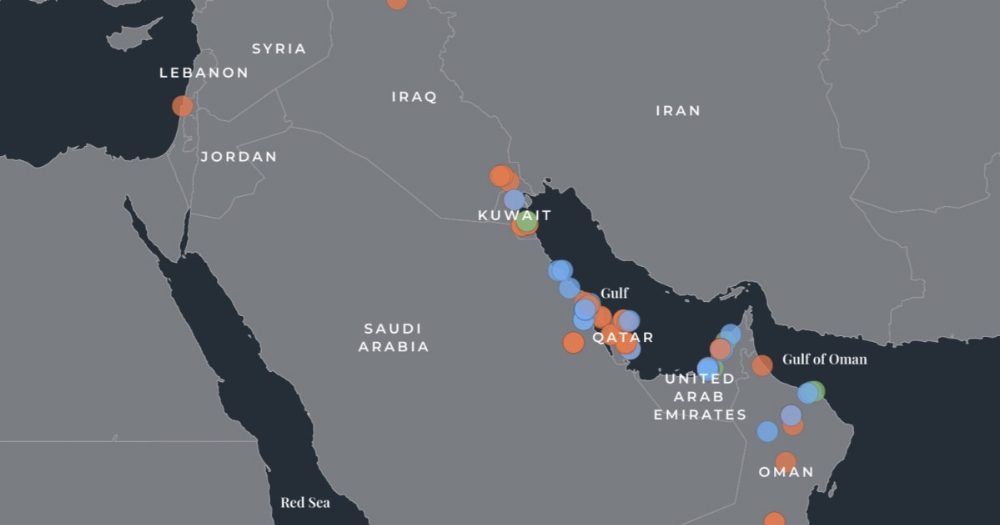
Recent attacks attributed to Iran and affiliated groups have targeted energy infrastructure across the Gulf Cooperation Council (GCC) countries, with a notable 172 strikes recorded since the war began. This has led to heightened vulnerabilities for energy facilities, particularly in the UAE, Kuwait, and Bahrain, where oil and gas installations have borne the brunt of the assaults. High-profile targets have included the Mina Abdullah and Mina al-Ahmadi refineries in Kuwait and the critical Abqaiq processing complex in Saudi Arabia.
Nasser Khdour from ACLED emphasizes that the energy sector remains a key focus for Iranian hostilities, as disrupting oil and gas supplies can amplify economic pressures on Gulf states and affect global energy prices. Notably, attacks on facilities in Qatar, including LNG plants, have raised concerns about long-term implications for energy production and exports.
As the conflict continues, disruptions to Qatar’s LNG infrastructure could hinder expansion plans, with potential delays lasting years. The challenges facing ExxonMobil and ConocoPhillips in this volatile landscape highlight the fragility of energy operations in a region marked by persistent geopolitical strife.
Source: www.aljazeera.com