Ozempic and Cancer: Navigating the Hype Around GLP-1 Drugs
By Editor • August 25, 2026 • 2 min read
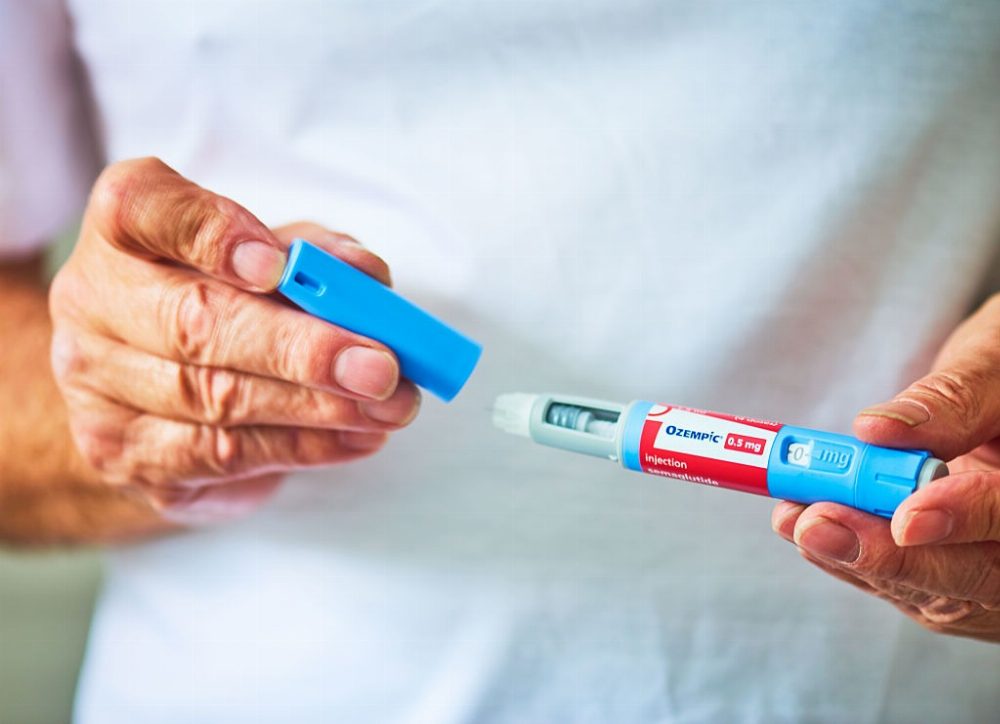
Recent headlines have sparked a wave of excitement over GLP-1 drugs, particularly Ozempic, suggesting they might lower cancer risk. Yet, experts urge caution, highlighting that the data supporting this claim remains unproven.
As the 2026 American Society of Clinical Oncology meeting approached, reports proliferated across major media platforms, alluding to the potential of Ozempic in cancer prevention. However, physician and epidemiologist insights reveal that the enthusiasm surrounding GLP-1 drugs is largely premature.
Cancer is not a singular ailment but a complex group of diseases, each with unique biological behaviors and risk factors. The effects of any medication on cancer are multifaceted, often resulting in varied outcomes—some cancers might see increased risk, others reduced, and most unaffected.
Initially, concerns regarding GLP-1 drugs focused on the potential risk of thyroid cancer, prompted by studies in rodents that indicated a link to thyroid C cell tumors. Consequently, a black box warning was issued in June 2026, cautioning against use in individuals with related health histories. However, human biology differs significantly from that of rodents, and subsequent studies have not supported the initial fears.
Moreover, research has consistently shown no significant increase in pancreatic cancer risk associated with GLP-1 drugs. In fact, a 2025 analysis of 62 studies did not find a substantial correlation between these drugs and thyroid cancer, providing some reassurance.
Interestingly, recent studies present a contrasting narrative. A 2024 investigation involving over 1.6 million Type 2 diabetes patients indicated that those on GLP-1 drugs had lower instances of 10 out of 13 obesity-related cancers compared to those treated with insulin. Another study in 2025 observed an overall 17% reduction in cancer rates among GLP-1 users, particularly in endometrial and ovarian cancers.
Despite these promising findings, experts caution against jumping to conclusions. A crucial factor is the 'healthy user bias'—individuals who can access GLP-1 medications often have better overall health and socioeconomic status. This bias complicates the interpretation of observational studies.
Additionally, the choice of comparison drugs significantly impacts study outcomes. For instance, those taking GLP-1 drugs are often compared to insulin users, who typically have more advanced diabetes and inherently higher cancer risks. This complicates the assertion that GLP-1 drugs provide protective benefits against cancer.
Timing of studies also raises questions. Cancer typically develops over long periods, yet most GLP-1 studies monitor patients for only a few years. Early indications of cancer risk reduction may reflect pre-existing patient health rather than a direct benefit from the medication.
Moreover, much of the research originates from high-income countries, raising concerns about its generalizability to global populations where cancer burdens differ. While randomized trials would provide more definitive answers, existing meta-analyses from 2025 reveal minimal evidence supporting claims that GLP-1 drugs significantly alter cancer risk.
In conclusion, the notion that GLP-1 drugs like Ozempic can lower cancer risk remains speculative. Current evidence does not indicate an increased overall cancer risk, which is a reassuring takeaway. However, further rigorous research is essential to establish any definitive links between these medications and cancer prevention.
Source: www.dailymaverick.co.za
#cancer research #clinical studies #GLP-1 drugs #healthcare #Ozempic