Advancing Pediatric Medicine: Deanne Taylor’s Mission for a Child-Focused Cell Atlas
By Editor • August 14, 2026 • 3 min read
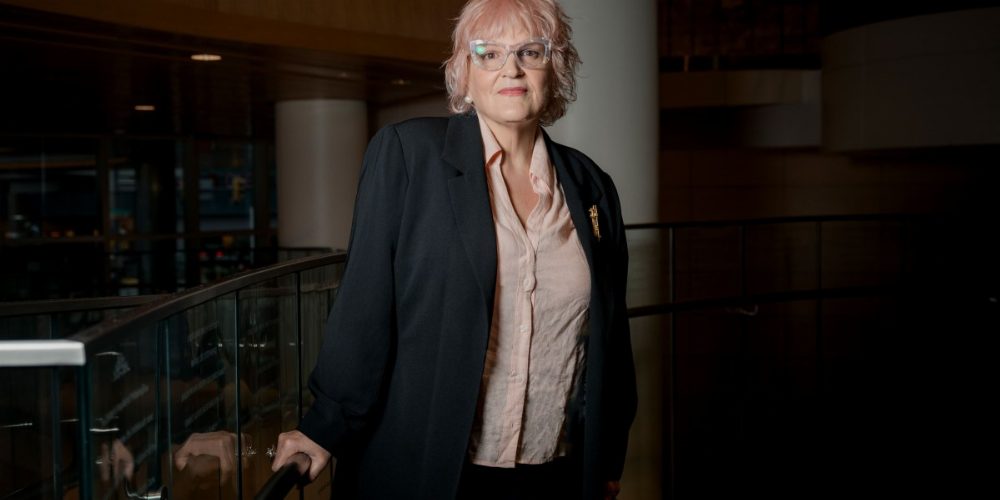
Deanne Taylor, the director of bioinformatics at the Children’s Hospital of Philadelphia (CHOP), is on a groundbreaking mission to establish a cell atlas that prioritizes children's health. Her journey began in 2017 at the University of Pennsylvania, where she learned that the Human Cell Atlas project was exclusively focused on adult cells. This revelation ignited her commitment to advocate for pediatric research, recognizing that children's cellular biology is fundamentally different from that of adults.
Frustrated by the prevailing notion that children are merely smaller versions of adults, Taylor launched an initiative to highlight the unique characteristics of children's cells, particularly their gene expression patterns. These differences can lead to varied reactions to medications, making pediatric research critical. Taylor actively engaged with the Human Cell Atlas by contributing to a white paper aimed at incorporating a pediatric perspective into the project.
Her efforts have yielded significant results. In 2021, the NIH awarded a substantial $38.5 million grant to the Developmental Genotype-Tissue Expression Project (dGTEx), a pioneering initiative to create a comprehensive database of healthy pediatric tissue. This project collects samples from healthy children who have passed away, with parental consent, and maps the gene expression across vital organ systems. The data generated will serve as a vital resource for understanding normal development, disease mechanisms, and drug efficacy in children.
As part of the dGTEx team, Taylor plays a crucial role in curating and standardizing the data associated with tissue donations. Her leadership ensures that diverse research efforts are coordinated effectively, highlighting the importance of a holistic approach to pediatric development. Colleagues have praised her ability to unify various research initiatives, emphasizing the need for a comprehensive understanding of pediatric biology.
Taylor's academic journey is as rich as her professional one. With a PhD in biophysics, she initially embarked on a path in rare-disease research before shifting focus to reproductive medicine, where she developed programs for screening embryos. Despite a seemingly winding career, her motivations have always centered on understanding why diseases manifest differently in various individuals.
The dGTEx database aims to create a foundational understanding of gene expression in children, akin to a molecular map detailing how their genes function in healthy tissues. Taylor’s work is vital, as differences in gene expression can determine the safety and effectiveness of treatments. For instance, pediatric patients may experience harmful side effects from therapies that are well-tolerated by adults, such as chemotherapy impacting developing hearts.
Additionally, Taylor is involved in the Kids First Data Resource Center and collaborates with the HubMAP initiative, which seeks to provide 3D maps of children's cells. These projects underscore the importance of studying childhood development, as crucial changes occur during this period that can have lasting health implications. As Sarah Teichmann, a cofounder of the Human Cell Atlas, notes, a deeper understanding of pediatric cell function is essential for advancing pediatric medicine.
Through her coordination of the dGTEx project, Taylor navigates the complex landscape of pediatric research, working with various stakeholders to ensure the success of this vital initiative. Her ability to mediate differing perspectives and objectives is crucial for progress in this collaborative field.
Source: www.technologyreview.com
#Children's Hospital of Philadelphia #Deanne Taylor #dGTEx #Human Cell Atlas #pediatric research