Putin's New Decree: A Power Shift in Managing Critical Infrastructure Amid Drone Threats
By Editor • August 25, 2026 • 2 min read
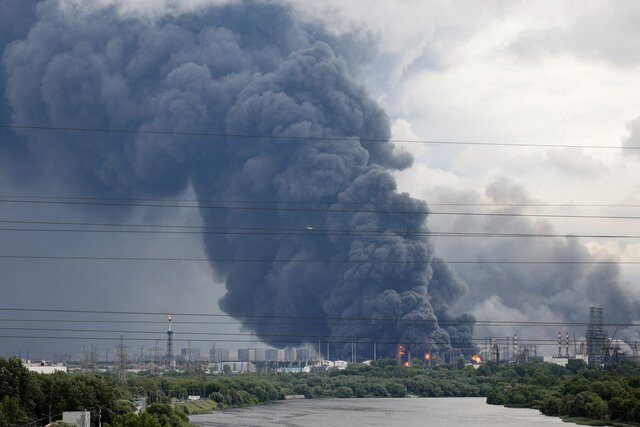
In a significant move that expands governmental control over private enterprises, Russian President Vladimir Putin has signed a decree allowing the state to temporarily manage critical infrastructure facilities if their owners neglect security measures against drone attacks. This decree, effective from August 24, 2026, is framed as a response to escalating threats posed by Ukrainian drones targeting strategic sites within Russia.
The legislation stipulates that the federal property agency, Rosimushchestvo, or another appointed entity, can assume control over all or part of a company's assets. While this administrator will wield the powers of ownership, there is no provision for selling the property, and the duration of this management is left entirely to the discretion of the authorities.
Criteria for imposing such management are broad, including failures to implement security measures or delays in their execution. The decree encompasses a wide range of sectors, including energy, communications, and logistics, impacting nearly all large-scale enterprises. It also addresses facilities deemed crucial for national security and everyday life.
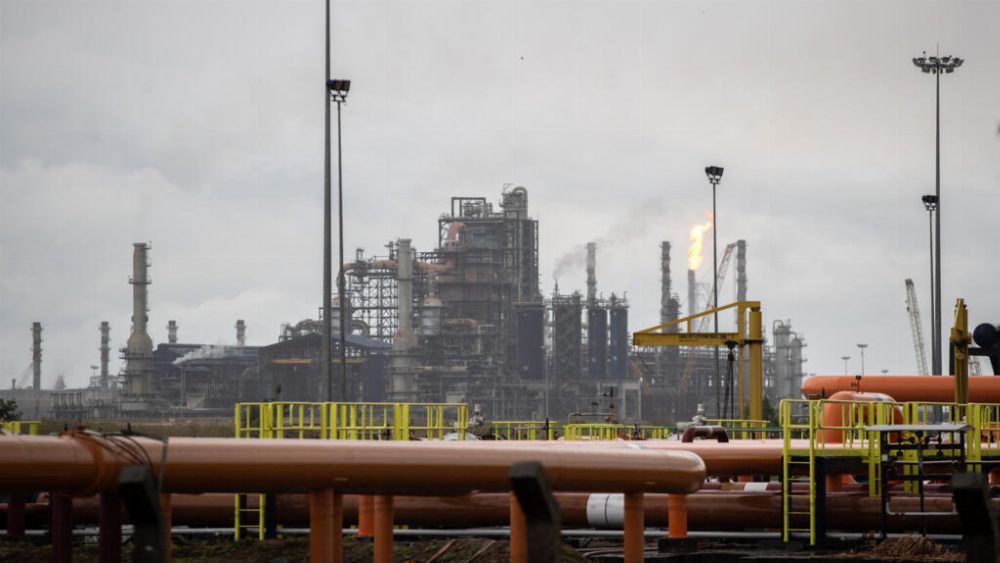
Justifying this drastic measure, Russian officials point to frequent drone attacks on oil refineries and logistics hubs, which have surged in recent months. Critics, including experts consulted by the business outlet RBC, express concerns about the decree's vagueness. They highlight the lack of specific criteria that define what constitutes a violation, leaving businesses uncertain about their obligations. The decree effectively mandates immediate repairs following drone strikes, imposing significant financial and operational burdens on affected companies.
Moreover, the decree does not clarify who will shoulder the financial responsibility for enhancing security at these critical sites, further complicating matters for business owners. A source within the fuel industry revealed worries that refinery operators might find themselves shouldering the blame without clear guidelines on shared responsibilities with the Defense Ministry.
The independent outlet The Bell noted that private companies are at a disadvantage when it comes to defending against drone strikes. Only select government agencies are authorized to engage with drones, and businesses can only protect themselves through licensed security measures, subject to extensive regulatory hurdles.
Experts predict that the decree may primarily impact smaller, independent refiners and regional businesses, particularly in southern Russia. The Bell also suggested that the mention of transport and logistics complexes could indicate a focus on state-supported online marketplaces that have been targets of drone attacks.
This new decree is not an isolated event; temporary management has previously been applied to foreign companies' assets since the onset of Russia’s full-scale invasion of Ukraine. The introduction of temporary management has often preceded ownership changes, as seen with companies like Danone and Baltika.
Following the decree's announcement, Deputy Prime Minister Denis Manturov reassured that its implementation would not signal mass nationalization. Kremlin spokesperson Dmitry Peskov emphasized that businesses must prioritize security, attributing the increased drone threat to lapses in attention from owners.
Source: meduza.io