Reflecting on the Bicentennial Baby Generation: A Journey Through Time
By Editor • August 24, 2026 • 3 min read
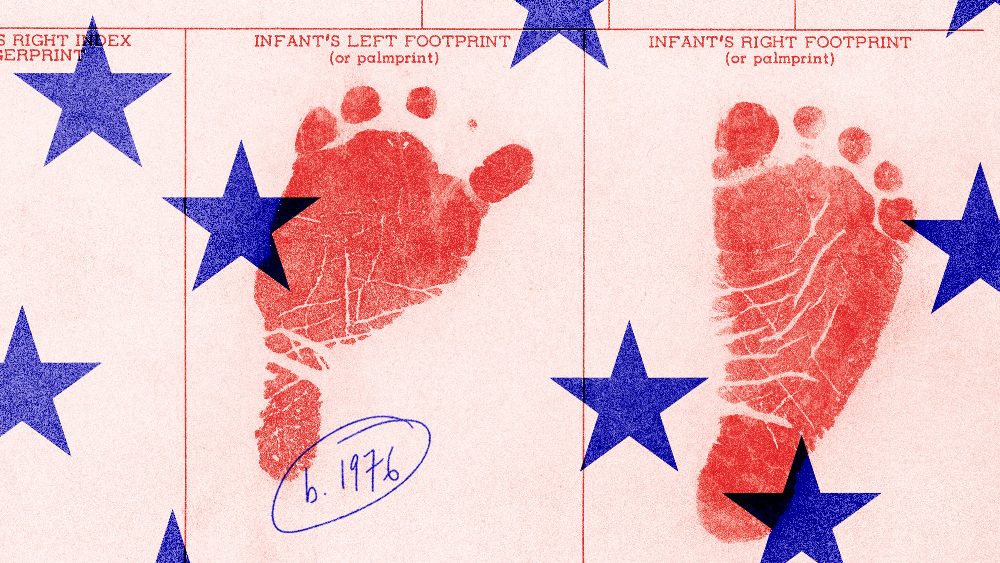
Born just seconds after midnight on July 4, 1976, Karen Steele from Montclair, New Jersey, claimed the title of the first "bicentennial baby." This unique distinction sparked a wave of media attention, with President Gerald Ford and his wife, Betty, even sending a congratulatory note to her family. As the year progressed, any newborn was celebrated as if they were part of a grand patriotic event, leading to the distribution of commemorative blankets in Mobile, Alabama, and special certificates in Covington, Louisiana, available for just $2.50. The patriotic fervor culminated in a bizarre assortment of red, white, and blue merchandise, from toilet paper to lollipops—creating a year defined by kitsch.
While I was born in August of that year and never actively thought about my bicentennial designation, it occasionally surfaced in conversations with fellow 1976 babies. This shared experience felt significant, linking us to a pivotal moment in American history. Unlike other aspects of my identity, such as being the child of immigrants or having poor eyesight, this connection provided a sense of belonging to a larger national narrative.
Reflecting on our shared journey, I recognize that my fellow bicentennial babies and I have experienced a unique trajectory over the past five decades. We entered a world marked by a hopeful atmosphere following the Vietnam War and the resignation of President Nixon amid the Watergate scandal. This period saw a surge in optimism as Jimmy Carter's presidency promised a new era of idealism.
Polling data from Time magazine in 1976 indicated a notable increase in national positivity, suggesting a renewed sense of hope. As we grew, however, we also witnessed the complexities of life, including crime, stagflation, and international crises, juxtaposed against moments of heightened optimism. By the late 1980s, Americans felt a resurgence of confidence, with Kurt Andersen noting a remarkable shift in the national mood.
I vividly remember my grandfather's emotional reaction as we watched the Berlin Wall come down on November 9, 1989. At just 13 years old, I felt the weight of that moment—an awareness that I was privileged to live in a place others longed to reach.
As bicentennial babies, we grew up believing in a sense of transcendence, feeling fortunate to be part of a nation that appeared to be moving forward. Yet, as we matured, we confronted harsh realities, notably the events of 9/11, which marked a pivotal moment for our generation. Suddenly, the world felt much closer, and our youthful innocence was replaced with a sobering vulnerability.
Entering adulthood alongside the rise of the internet, we adapted to new technologies that promised to connect us in unprecedented ways. I still recall accessing my first email address in college, navigating through a computer lab that smelled of Doritos. The excitement of new communication tools ultimately transformed into challenges, as social media and constant notifications began to dominate our lives.
Now in our 40s, we reflect on a world that has dramatically shifted. The election of Donald Trump and the subsequent pandemic have added layers of complexity to our already busy lives. As we juggle careers, family, and the ominous state of global events, we find ourselves less naive and more fatigued. The threats posed by advancements like AI loom large, reminding us that the journey of the bicentennial babies is one of resilience in the face of evolving challenges.
Source: www.theatlantic.com
#American history #bicentennial baby #generation reflection #Karen Steele #optimism