Reflections on the Women's March: A Letter to Mbokodo
By Editor • August 24, 2026 • 3 min read
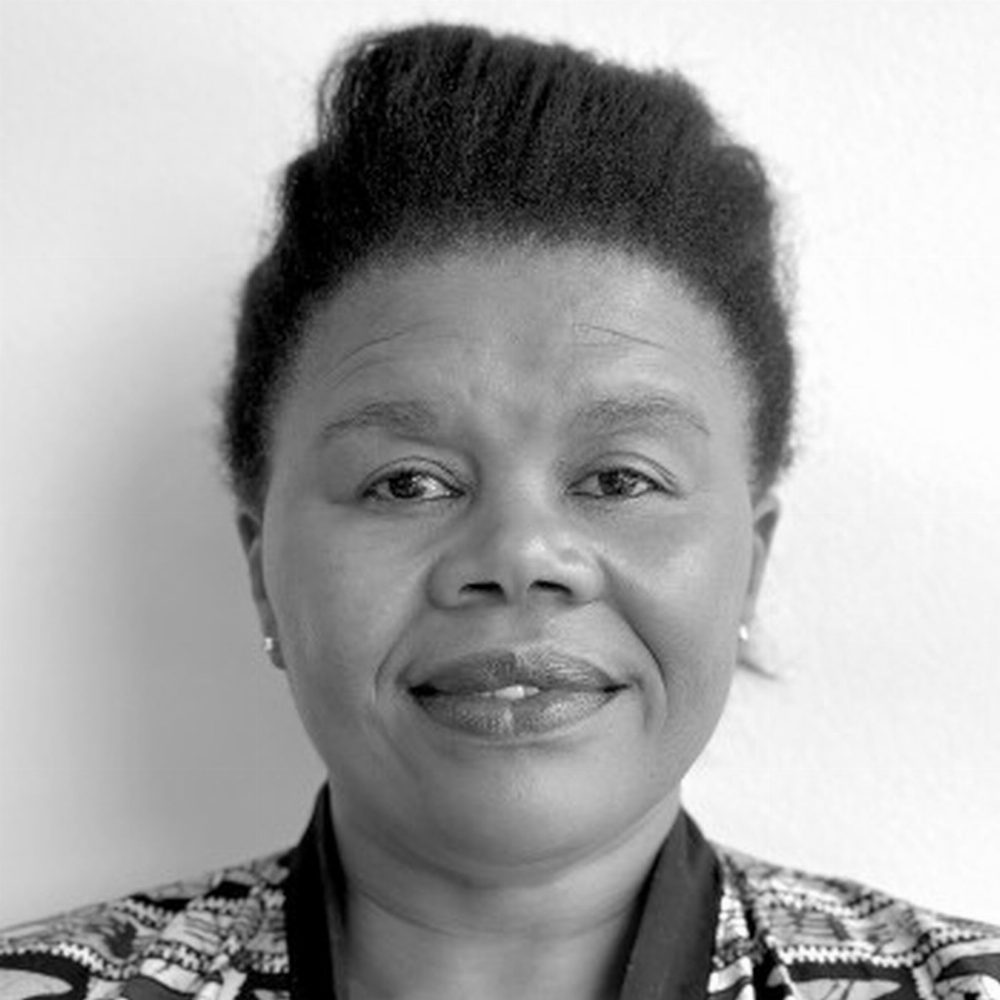
As we commemorate the historic Women's March of 9 August 1956, a poignant letter emerges, imagined from the perspective of one of the women who stood in silence for thirty minutes, demanding justice and equality. This letter, addressed to Mbokodo, the symbolic representation of women’s strength, critiques the ongoing struggles women face in South Africa and questions the narrative surrounding their empowerment.
The letter, crafted by Sipho Mthathi, a seasoned writer and social justice activist, resonates with the spirit of those 20,000 women who dressed in their finest attire to voice their grievances against a government that refused to acknowledge them. They marched not just for themselves but for future generations, hoping to secure a world where their daughters could traverse their own country without fear or restriction.
In stark silence, these women stood as a powerful statement against the oppressive pass laws that dictated their existence. The author reflects on how these laws reduced their identities to mere documentation, subjecting them to constant scrutiny and control. This struggle for freedom was not merely a fight for the right to vote; it encompassed a broader vision of equality in every aspect of life, including marriage, work, and access to basic services.
The Women’s Charter, drafted just two years prior to the march, encapsulated their demands for a more equitable society. It called for equal pay, the right to hold public office, and fundamental rights that could not be parcelled out. Mthathi emphasizes that true freedom cannot be selective; a woman cannot be empowered in one realm while subjugated in another.
Addressing Mbokodo, the letter questions how the narrative of women’s empowerment has evolved over the decades. Each August, the government celebrates the legacy of these women, often overlooking the more profound issues they fought for. The slogan, "Empowered Women Empower the Nation," is scrutinized, as it suggests that women's rights are contingent upon their utility to society rather than being inherent to their humanity.
The author points out a troubling dichotomy: the image of women as resilient figures who bear the burdens of society while the state continues to evade its responsibilities. The narrative of the empowered woman, portrayed as the backbone of the nation, often ignores the structural inequalities that persist, enabling the status quo to remain unchallenged.
Women are still expected to juggle multiple roles—caregivers, workers, and community builders—without adequate support or recognition. The letter highlights the harsh realities many women face, including inadequate wages, lack of childcare, and insufficient access to healthcare. These challenges persist despite the legal advancements that have been made.
As the silence of the march resonates through history, Mthathi acknowledges the victories achieved but insists that they should not overshadow the ongoing struggles. Women have made significant strides, including representation in government and property ownership, but the fight for true equality continues. The author stresses that the fight for freedom extends beyond the right to vote; it encompasses access to resources, dignified living conditions, and the recognition of women’s rights as human rights.
In closing, the letter serves as a powerful reminder that the legacy of the Women's March cannot be reduced to mere commemoration. It calls for a deeper understanding of the issues that women still face and the systemic changes necessary to ensure that their rights and freedoms are genuinely recognized and upheld. The silence of that day speaks volumes about the work still to be done, challenging us to honor the past by addressing the present and future needs of women in South Africa.
Source: www.dailymaverick.co.za
#Mbokodo #Sipho Mthathi #South Africa #Women Empowerment #Women's March