Rethinking Suspension Upgrades: The Hidden Costs of Lift Kits
By Editor • August 20, 2026 • 2 min read
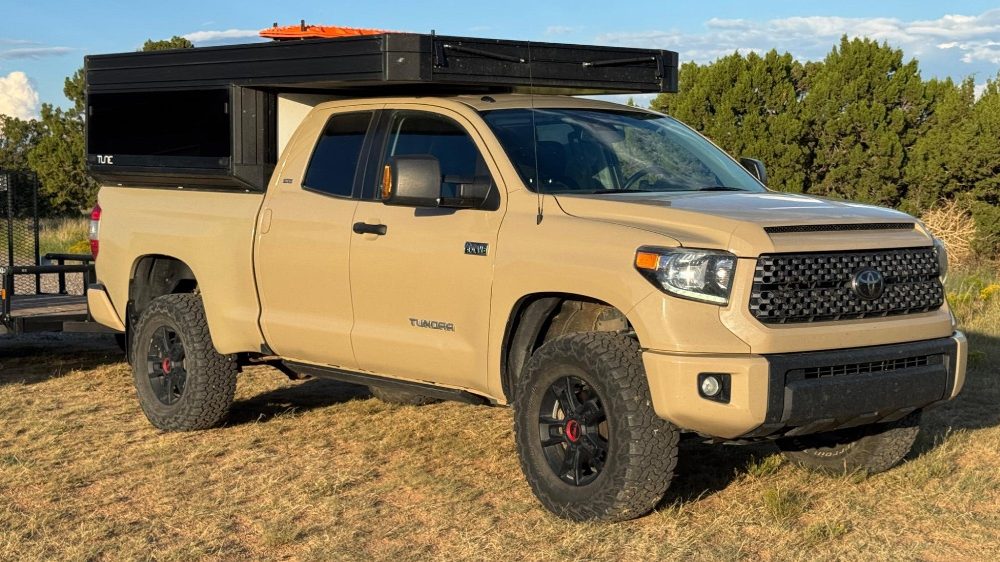
As enthusiasts embark on their journey to create the ultimate overland vehicle, the temptation to upgrade suspension systems often looms large. While enhancing suspension can significantly improve off-road performance, it also carries risks that could compromise the vehicle's integrity and safety.
Investing in a quality suspension upgrade can elevate a truck’s off-road capabilities, providing increased ground clearance, accommodating larger tires, and enhancing load management. However, not all upgrades are created equal. Many budget lift kits merely add spacers on top of existing struts, failing to improve wheel travel or ride quality, and potentially leading to a host of new problems.
Buyers should be cautious of cheap lift kits that promise quick fixes. According to industry insights, these kits do not offer the engineering prowess of original equipment manufacturers (OEMs). Thus, relying on inexpensive aftermarket parts can lead to a false sense of improvement while introducing complications that detract from the vehicle's performance.
When modifying a vehicle, it’s essential to understand the implications of increased ride height. This change raises the center of gravity, which can negatively impact handling and safety. Vehicles are designed and tested under specific parameters, and modifications can skew those results. As a result, the vehicle may behave unpredictably during a crash, as aftermarket modifications often lack the rigorous safety testing that OEMs must adhere to.
Additionally, lifting a truck can disrupt its aerodynamics, adversely affecting fuel efficiency and cooling systems. This can impair towing capabilities, which is often a primary purpose for owning a pickup truck. A noteworthy point raised by Dave Harriton, owner of American Expedition Vehicles, highlights that increasing tire size by 15% should theoretically reduce the vehicle’s Gross Vehicle Weight Rating (GVWR) by the same percentage, indicating that larger tires and lift kits could diminish the vehicle's overall utility.
Another common misconception is that upgrading to high-end shocks equates to improved performance. However, these advanced systems often require more frequent maintenance than standard shocks, which can be a burden for the average vehicle owner. High-performance shocks might need rebuilding every 20,000 to 30,000 miles—much sooner than typical shocks, which can last over 70,000 miles. This maintenance can be costly and inconvenient, especially if a local shop isn’t available to handle the service.
Many enthusiasts seeking advice on improving their off-road experience may be led toward expensive shock options, but it’s essential to weigh the benefits against the maintenance demands. For those who primarily desire a comfortable ride to outdoor adventures, it may be more prudent to opt for robust yet low-maintenance shock options like Bilstein 5100 or Eibach Pro-Truck. These alternatives provide a significant upgrade while ensuring longevity and less hassle.
Ultimately, while the allure of suspension upgrades can be strong, potential buyers need to consider the long-term impacts on their vehicles. It may be worth holding off on modifications and assessing whether the stock setup can meet their needs, particularly for casual overland adventurers.
Source: www.outsideonline.com
#lift kits #off-road #safety #suspension upgrades #vehicle modifications