Facade Modular Chair: A New Era of Customizable Comfort
By Editor • August 15, 2026 • 2 min read
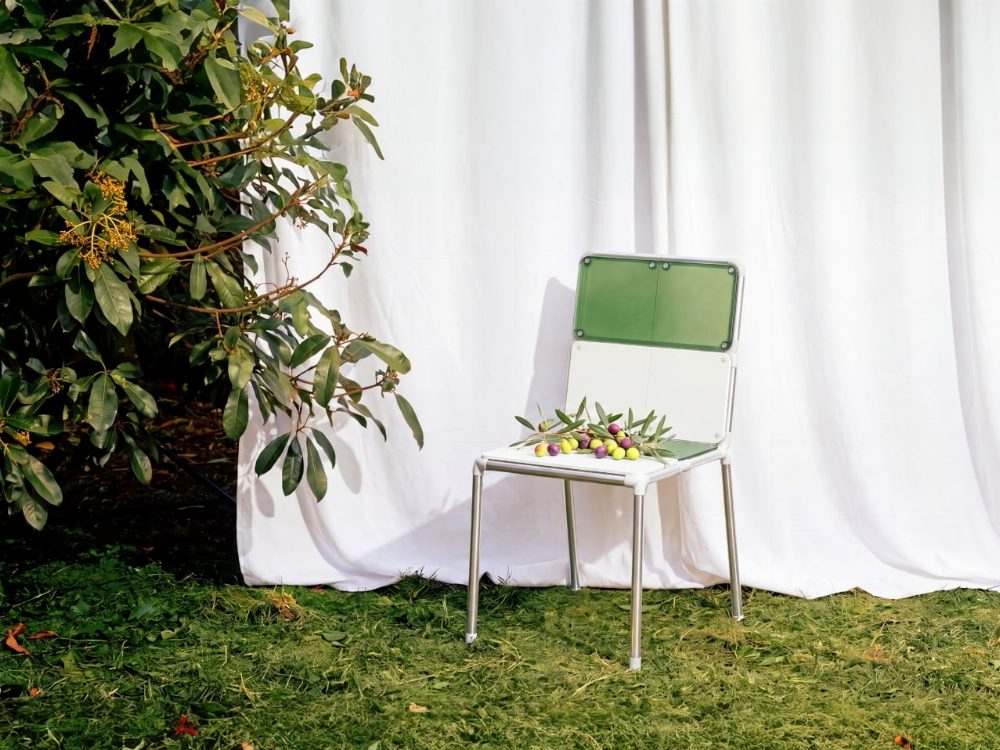
In a world where furniture choices often feel permanent, Junha Kahm’s Facade modular chair invites a refreshing perspective: adaptability. Rather than asking if you can live with a piece forever, the Facade asks what you need from it at any given moment, embracing change as a fundamental aspect of design.
The chair's construction features a durable stainless steel frame, adhering to a 1:2 proportion ratio, paired with eight identical PETG panels that snap into place. This design not only offers visual harmony but also simplifies manufacturing, making it easier to replace components when necessary. In fact, every piece can be disassembled to fit inside a standard shopping basket, adding a whimsical touch to the practical.
Attention to detail shines in the joints of the chair, crafted from molded white PETG that contrasts with the metal frame, ensuring both aesthetic appeal and structural integrity. The precise angles of the frame contribute to the chair's stability while allowing for a slight forward tilt, enhancing its overall design.
One of the standout features of the Facade chair is its ability to transform its appearance through various panel configurations. The PETG material is lightweight and adaptable to color, allowing for translucent designs that showcase the metal frame or opaque options in colors like white and amber orange, each shifting the chair's personality dramatically. As expressed in Kahm's moodboard tagline, "one point. sixteen panels. infinite facades," the chair embodies endless possibilities.
This innovative approach also aligns with contemporary sustainability discussions in furniture design, focusing not just on materials, but on longevity and repairability. Instead of needing to replace an entire chair when a panel becomes damaged or outdated, users can simply swap out the panel, allowing for easy customization without the guilt of waste.
Ultimately, the Facade chair stands as a testament to thoughtful design. It eschews loud proclamations of adaptability, instead presenting itself as a well-proportioned, functional piece that quietly adapts to its surroundings. This restraint in design philosophy may well be its most compelling strength.
Source: www.yankodesign.com
#Facade chair #furniture innovation #Junha Kahm #modular design #sustainability