Rohingya Resilience: Genocide Survivors Navigate Life in Australia
By Editor • August 21, 2026 • 2 min read
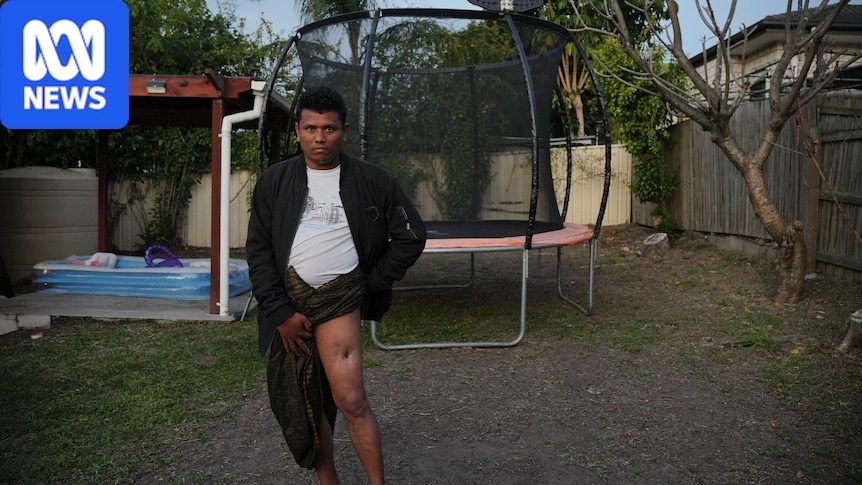
Ten years after the onset of a brutal genocide, the Rohingya people, recognized by the United Nations as the world’s most persecuted minority, are slowly rebuilding their lives in Australia. Among them, Saddam Hossain bears the physical and emotional scars of his past, having escaped Myanmar under harrowing circumstances.
In 2017, Hossain's village in northern Rakhine State was besieged by Myanmar's military forces, who unleashed a violent campaign that ultimately displaced over 700,000 Rohingya individuals, forcing many into neighboring Bangladesh. Hossain recalls the chaos vividly, describing how he was shot multiple times while trying to free his cows amidst the gunfire. “When I was cutting the rope to release the cows, I was shot on my right upper thigh, and by the time I looked at my wound, I was hit with two more shots on my left thigh,” he recounted through a translator.
Despite the grave injuries he sustained, Hossain's family persevered, navigating a treacherous seven-day journey to reach safety in Bangladesh. They ultimately found refuge in Cox’s Bazar, a sprawling camp where over a million Rohingyas now live. After enduring four years of medical treatment there, he secured a UN humanitarian visa and relocated to Australia, where an estimated 5,000 Rohingya now reside.
However, settling in a new country has not erased Hossain's pain. He remains deeply worried about his family members still trapped in the Bangladesh camp, particularly his brother. Hossain's story is echoed by Shofika Begum, another survivor who arrived in Australia on a humanitarian visa. She remembers the traumatic loss of her family during the military's assault on her village in Arakan, where she witnessed horrific violence firsthand.
Despite the safety she now finds in Australia, Begum continues to grapple with her trauma. She expresses gratitude that her children are no longer exposed to the terror she experienced, yet she struggles with the haunting memories of her lost loved ones. “I can’t sleep at night; I feel that my mum is right next to me,” she shared.
Robi Alam, president of the Rohingya United Youth Network, has dedicated himself to raising awareness of the Rohingya plight, having been born in a Bangladesh refugee camp before moving to Australia. Alam emphasizes the importance of preserving the Rohingya identity, which he believes is threatened due to ongoing violence and displacement. “We feel that our identity is almost becoming extinct,” he noted, stressing the need for the community to maintain its cultural heritage.
In recognition of their struggles, the Rohingya community is hosting a Genocide Remembrance Day event in Kingston, Logan, organized by various local organizations. This gathering, among others, serves as a platform for survivors to share their stories and advocate for justice.
Source: www.abc.net.au