Romantasy's Rising Popularity: A Golden Opportunity for Luxury Brands
By Editor • August 28, 2026 • 3 min read
As the clock strikes midnight on October 27, readers worldwide will eagerly dive into the latest chapter of Sarah J. Maas's beloved series, A Court of Thorns and Roses (ACOTAR). After a five-year hiatus, the sixth installment is poised to launch with fervent anticipation, evidenced by numerous late-night events scheduled globally. In the UK alone, 76 Waterstones stores are set to celebrate with themed parties, offering everything from bone readings to Night Court-inspired attire.
This excitement is reflective of the meteoric rise of the 'romantasy' genre—a captivating blend of romance and fantasy that has recently been recognized as a billion-dollar industry. Bloomberg reported this surge just over a decade after the first ACOTAR novel debuted in 2015. The coming month will see several new titles from prominent authors, including Rebecca Yarros's Fourth Wing, which is even being adapted into a TV series by Amazon MGM and Michael B. Jordan.
Luxury brands have yet to fully embrace this cultural phenomenon, despite the genre's growing influence. Elizabeth Tan, a senior marketing strategist, notes that romantasy resonates with consumers seeking escapism amid a complex world. She emphasizes the genre's appeal lies in its blend of magic and moral ambiguity, which allows readers to explore both desire and love.
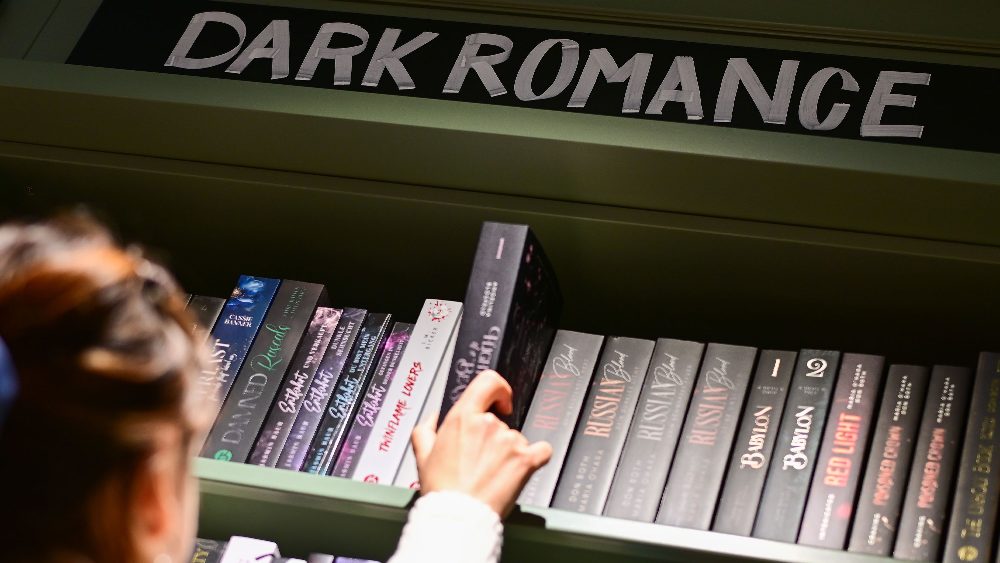
Historically, indulging in romantasy was often seen as something to keep private, but attitudes have shifted. Sophia French, editor at Protein, suggests that embracing 'cringe' has become a mark of authenticity, making it easier for fans to openly enjoy tales of fantastical romance. Bookstores are now dedicating sections to this genre, with some even specializing in it, like Bad Girl Books in Oxford, which boasts over 2,000 titles.
For many, romantasy serves as a refuge, especially for women and LGBTQ+ communities. Starlin Marot, the founder of Bad Girl Books, highlights how the genre creates empowering narratives centered on female pleasure and heroism. Emma Loffhagen, a commissioning editor at The Guardian, notes that these stories often depict women as strong protagonists, slaying dragons while navigating intricate love stories.
The genre's appeal also mirrors broader societal trends, including a decline in traditional forms of pleasure, such as alcohol and casual dating, prompting young individuals to seek fulfillment in fantastical worlds. Interestingly, 66% of Gen Z now identifies as readers, a notable increase fueled by platforms like BookTok, where literary influencers thrive amidst a backdrop of digital noise.
Fashion has flirted with literary influences, as seen in collaborations like Miu Miu's Literary Club and Prada's short stories by Ottessa Moshfegh. However, there's still substantial room for brands to delve into romantasy. The massive social media followings of authors like Maas and Yarros—3 million and 2.3 million respectively—indicate a lucrative market waiting to be tapped.
While fashion references within romantasy are sparse, the genre does feature vivid descriptions of clothing, often emphasizing practicality over luxury. Some fans have taken this inspiration online, curating fashion choices that reflect the novels' aesthetics. Brands like Hot Topic and Black Milk have already begun to release themed merchandise, offering fans an opportunity to wear their literary passions.
Despite these initial steps, many believe the market remains largely untapped. Marot suggests that as consumers embrace their whimsical sides, we may soon see a resurgence of styles inspired by romantasy, potentially leading to a new wave of fashion that captures the enchanting spirit of this genre.
Source: www.vogue.com
#ACOTAR #Fourth Wing #Luxury Brands #romantasy #Sarah J. Maas