Electric Motorcycles Gaining Traction in Nigeria Amid Rising Fuel Costs
By Editor • August 16, 2026 • 1 min read
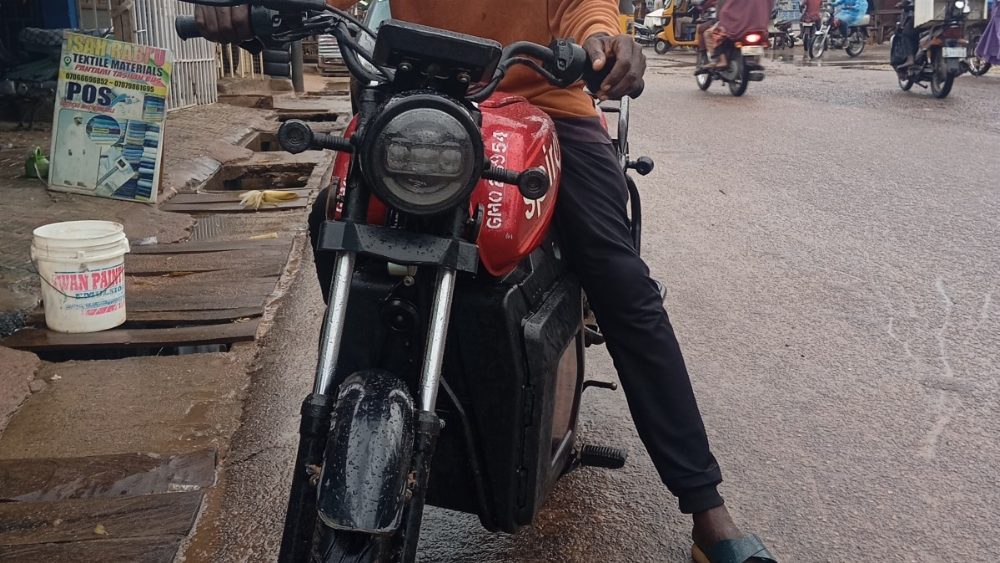
In Gombe, Nigeria, the streets are witnessing a gradual transition as electric motorcycles gain popularity, largely driven by skyrocketing fuel prices. The silent hum of these bikes contrasts sharply with the noisy, petrol-powered motorcycles that have dominated the roads for years.
The shift in transportation dynamics follows President Bola Tinubu's decision to eliminate Nigeria's fuel subsidy in May 2023, which led to petrol prices soaring to approximately 1,365 naira ($1) per litre from just 200 naira (15 cents) before the changes were enacted. This spike has forced many to reconsider their commuting methods.
Electric motorcycles, which cost around 1 million naira ($735), are still a considerable investment for many families. However, riders like Ayuba Abubakar, a farmer from Gombe, report significant savings in fuel and maintenance costs. Abubakar, who has been using an electric motorcycle for three months, estimates a weekly saving of about 5,000 naira ($3.7) in fuel expenses.
While the enthusiasm for electric motorcycles is palpable, the challenge of unreliable electricity remains a significant barrier. Many Nigerians experience erratic power supply, limiting the practicality of charging bikes at home. Muhammad Abubakar, CEO of Sustenaa, emphasizes the necessity for infrastructure improvements, suggesting solar battery-swap stations as a viable alternative to home charging.
Despite these hurdles, the environmental benefits of electric motorcycles cannot be overlooked. With road transport being a major contributor to air pollution, the adoption of these quieter vehicles could lead to improved air quality across urban areas. As Gombe sees more electric motorcycles on its streets, the potential for a broader shift in Nigeria's transport landscape becomes increasingly evident.
Source: www.aljazeera.com
#electric motorcycles #environment #fuel prices #Nigeria #transportation