SoulCycle's Identity Crisis: How a Political Fundraiser Shook a Fitness Cult
By Editor • August 22, 2026 • 1 min read
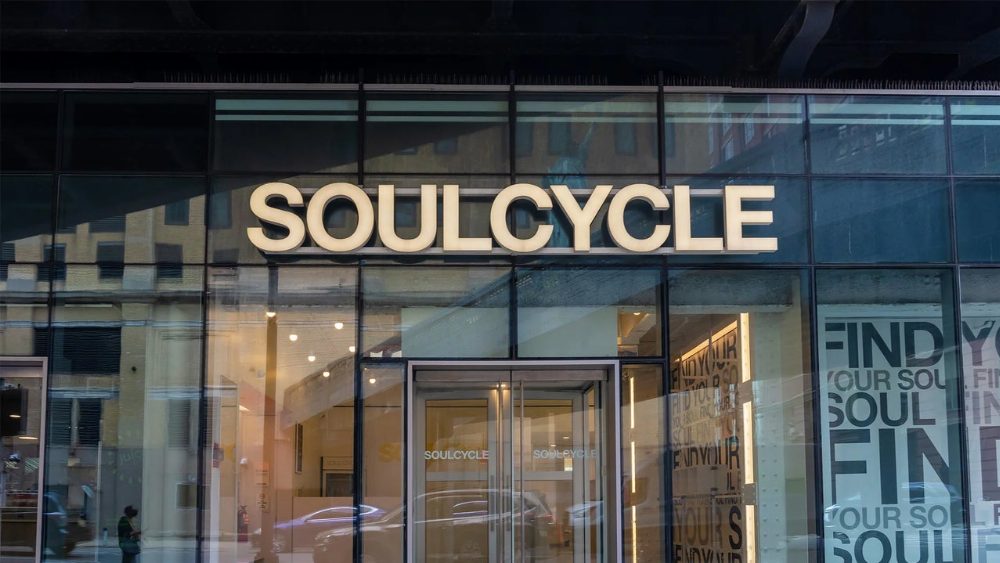
SoulCycle, once a beacon of community and self-transformation, faced a dramatic shift when its owner hosted a fundraiser for Donald Trump in 2019. The decision alienated many of its devoted riders, whose identities were closely tied to the brand's inclusive message.
Prior to this, SoulCycle had cultivated a fervent following, with riders flocking to classes not just for fitness but for the connection they felt within the community. Co-founder Julie Rice emphasized that people weren't drawn to SoulCycle for the workout alone; they sought the shared experience and emotional connections formed in the studio.
However, the fallout was swift. Weekly attendance plummeted by 7.5% in just one week, and the company saw nearly a 13% drop in its U.S. customer base the following month. This decline was not merely a reaction to changing fitness trends—like the rise of Pilates or competition from Peloton—but a direct result of the brand failing to align its actions with the values its customers held dear.
Researchers have noted that riders often brought personal questions to SoulCycle instructors, akin to those posed to spiritual leaders. This underscores the brand's role as more than a fitness entity; it had evolved into a belief system for many. When SoulCycle's actions contradicted the self-image its customers had adopted, the loyalty they once felt crumbled.
As the fitness landscape continues to evolve, SoulCycle's experience serves as a cautionary tale for brands built on identity: when the narrative shifts, so too can the loyalty of those who embraced it.
Source: www.fastcompany.com
#brand loyalty #fitness culture #identity #politics #SoulCycle