South Africans Lured into Foreign Conflicts: A Call for Policy Reform
By Editor • August 20, 2026 • 2 min read
The troubling return of South Africans from the Ukraine conflict has unveiled significant gaps in the country’s policy regarding overseas employment and military activities. In February 2026, the South African government repatriated 17 men, aged 20 to 39, who had been drawn into what was described as "seemingly mercenary activities" amidst the war in Ukraine. These individuals had sought assistance after being misled about lucrative job offers that promised security or bodyguard training rather than combat roles.
The South African authorities have since launched investigations under the Regulation of Foreign Military Assistance Act, targeting individuals involved in recruitment schemes that may have included fraud and trafficking. However, the details surrounding these cases remain unclear, highlighting a systemic failure in the ability to prevent such recruitment before it escalates into crises.
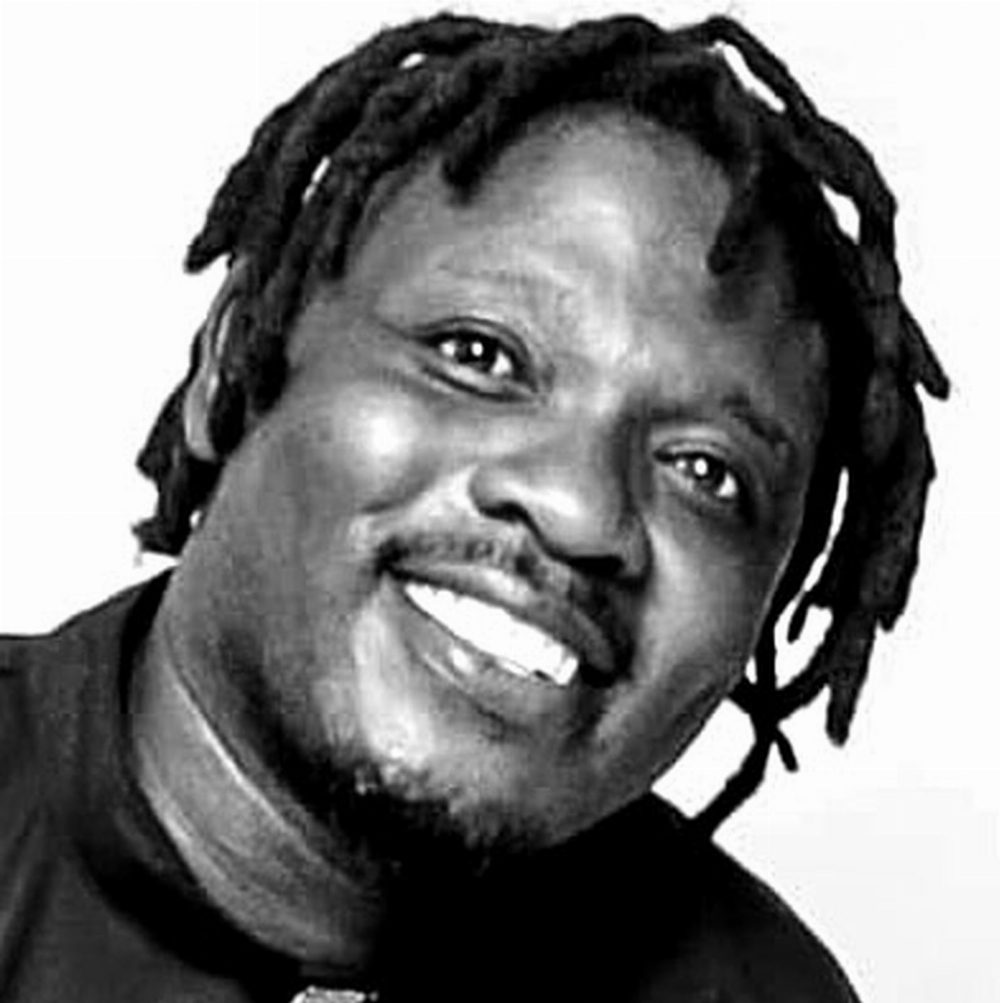
Wellington Muzengeza, an independent journalist and political risk analyst, emphasizes the need for distinct lines of inquiry in these cases. While some individuals knowingly enlisted for military roles, others may have been misled about the nature of their employment. This complexity raises critical questions about consent, the nature of contracts signed, and the responsibilities of various South African and foreign institutions involved.
South Africa's existing legal framework does not adequately address the verification of civilian job opportunities abroad, nor does it facilitate effective communication across government bodies when discrepancies arise. The 2025 National Labour Migration Policy acknowledged the shortcomings in regulating overseas employment, and the Employment Services Amendment Bill introduced in 2026 aims to enhance oversight. However, the focus should be on implementing preventive measures to avoid future incidents.
Muzengeza highlights a lack of interconnectedness among institutions, where recruiters present job offers, while other agencies handle travel documentation, payments, and tickets without recognizing the broader patterns at play. This fragmented approach undermines the ability to prevent exploitation and deception in recruitment processes.
Moreover, the problem extends beyond South Africa alone. Reports indicate that over 1,700 citizens from various African nations have engaged with Russian forces, raising concerns about deceptive recruitment practices that may not be limited to frontline combat roles. Investigations have revealed troubling recruitment methods, including coercion and misinformation, that put innocent individuals at risk.
The Alabuga Start program, which recruits young women for training in logistics and hospitality, has also faced scrutiny for allegedly assigning participants to roles in drone production under dubious conditions. This reinforces the importance of transparency and informed consent in employment practices.
To address these issues, Muzengeza calls for stricter regulations on overseas recruitment agencies. Such agencies should be required to register, disclose essential information about job placements, and submit to verification processes before individuals depart for foreign work. High-risk placements, especially those linked to active conflicts or military sites, should undergo rigorous scrutiny to protect South African citizens from exploitation.
Source: www.dailymaverick.co.za
#foreign recruitment #military assistance #policy reform #South Africa #Ukraine