Stephen Tayo's Captivating Exploration of the Aladura Movement in Lagos
By Editor • August 22, 2026 • 3 min read
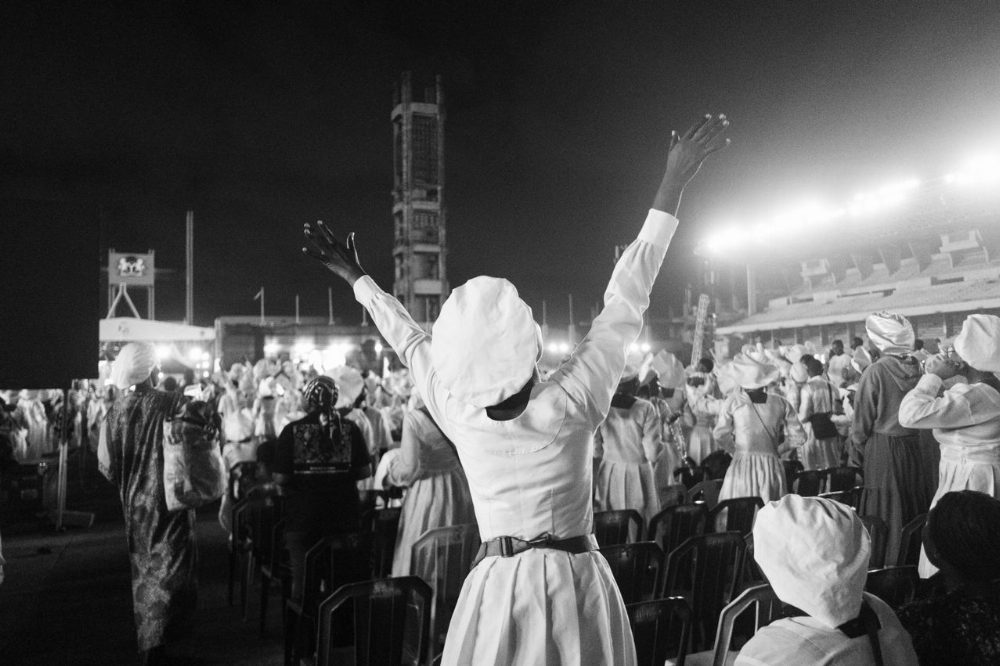
In a striking exhibition at Alara, Lagos, photographer Stephen Tayo presents a compelling collection of images that explore the Aladura movement, a unique expression of Pentecostal Christianity among the Yoruba people. Titled What Comes to Mind When You See the Garment?, the exhibition features photographs depicting everyday life while subtly highlighting the community's religious identity through their white garments, a symbolic marker of the faith.
Running until September 20th, Tayo's work is part of an ongoing documentary project that spans across Nigeria, Benin, and the U.S. The Aladura movement, meaning "people of prayer," emerged in the 1910s and 1920s, intertwining Christian doctrine with indigenous Yoruba practices. This synthesis has often led to misinterpretations and negative portrayals in Nigerian popular culture, particularly in Nollywood films that associate the white garment with supernatural themes, danger, and dubious practices.
In his exhibition, Tayo transcends mere photography by integrating sound, film, and experimental techniques, including printing on textiles and metal. Some pieces are displayed in light boxes reminiscent of church offering boxes, adding a unique dimension to the viewer's experience. The photographs evoke warmth and intimacy, capturing moments of connection, such as a sister seeking comfort in another's embrace.
Tayo, who holds a philosophy degree from the University of Lagos, approaches this project with a critical lens. He encourages viewers to question the preconceived notions shaped by media narratives surrounding the Aladura movement. "What comes to mind when you see the garment?" he asks, a question that serves as both the title and the guiding principle of his exploration.
The choice to shoot in black and white was both intentional and organic for Tayo. Having started with a 35mm film camera while living in Lagos, he found that the monochrome images resonated with his vision. Even when transitioning to digital photography, he maintained the aesthetic of his initial film work, creating a cohesive visual language throughout the series.
Tayo aims to challenge the audience's assumptions and encourage reflection on inherited beliefs about the Aladura movement. He notes that popular culture has often depicted white garment churches through a controversial lens, and he seeks to create space for dialogue that reexamines these perceptions. He highlights the significant cultural identity that the white garment has come to represent, both in Nigeria and among the diaspora, where its recognition is immediate.
While many photographs feature subjects without directly showing their faces, Tayo employs a documentary style that invites viewers to observe rather than merely look. Each image captures candid moments, allowing the audience to feel like active witnesses to the unfolding stories. This observational approach aligns with Tayo's desire to foster a deeper connection between the viewer and the subjects of his work.
Though the project took time to develop before its presentation, Tayo values the process of creation. He believes that a thoughtful approach to photography enriches the final outcome, allowing the work to evolve naturally. Balancing personal projects with commissioned assignments often leads to pauses in development, but Tayo embraces the learning journey that this brings.
Source: www.wallpaper.com
#Aladura movement #exhibition #Lagos #photography #Stephen Tayo