Supply Chains at Risk: The Hidden Costs of Depleting Natural Resources
By Editor • August 26, 2026 • 2 min read
The delicate balance of Earth’s ecosystems is under severe threat as major companies continue to fuel growth strategies that depend on dwindling natural resources. With an alarming rate of 3.1 billion trees logged annually for paper packaging alone, industries reliant on forest fibers are facing a critical tipping point.
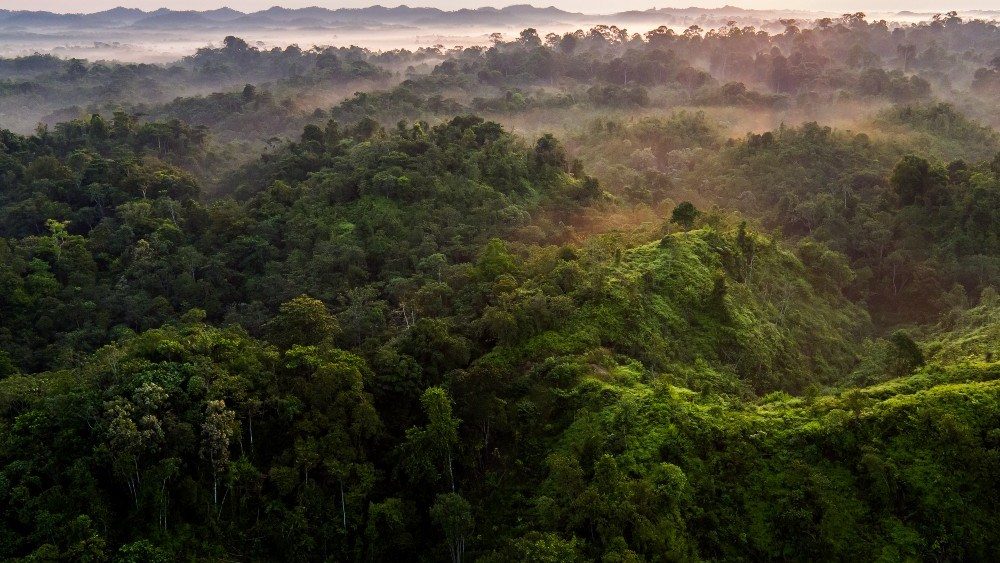
As sectors like packaging, textiles, and construction increasingly compete for the same finite resources, the cumulative pressure on forests intensifies. Forests play a vital role in maintaining climate stability, biodiversity, and water regulation, but their capacity to recover and provide essential fiber is diminishing.
While the world may not run out of wood overnight, the underlying systems that support fiber supply are weakening. Companies are basing their growth on the assumption of abundant virgin fiber, a notion that is becoming increasingly unrealistic. The economic implications of this disconnect are significant, as the true value of standing forests—such as carbon storage and habitat preservation—is often overlooked in timber pricing.
British Columbia exemplifies this issue, where timber is sold at $0.18 per cubic meter, while the social cost of CO2 emissions is estimated at around $190 per ton. This disparity highlights the broader economic risks tied to forest degradation, which can manifest in wildfire losses and rising operational costs.
Recognizing these challenges, some companies are starting to adapt. A leading paper and packaging firm recently alerted investors to the threats posed by climate stressors like drought and biodiversity loss, which jeopardize the health of the forests they depend on. However, as the shift from fossil-based plastics to wood and paper products accelerates, the overall demand on forest resources is compounding.
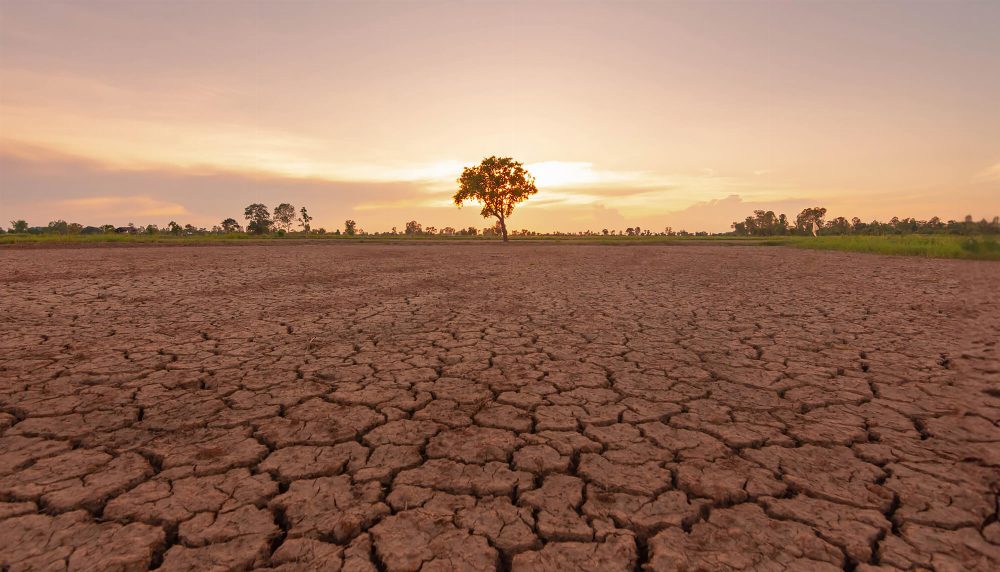
Climate change further complicates this scenario. Many regions crucial for fiber production are experiencing temperature increases beyond the global average, leading to a weakening carbon sink and reduced forest resilience. Although short-term production may seem stable, the long-term security of supply is at risk.
To navigate these challenges, companies must rethink their fiber sourcing strategies. This includes minimizing material use, enhancing recycling efforts, and reserving virgin forest fiber for essential applications. As the market begins to reflect ecological realities, those who proactively adapt will emerge stronger and more resilient.
Source: wwd.com
#business strategy #climate change #forests #supply chain #sustainability