Flock Surveillance Changes, Breakthroughs in Cloning, and Pediatric Cell Mapping
By Editor • August 14, 2026 • 2 min read
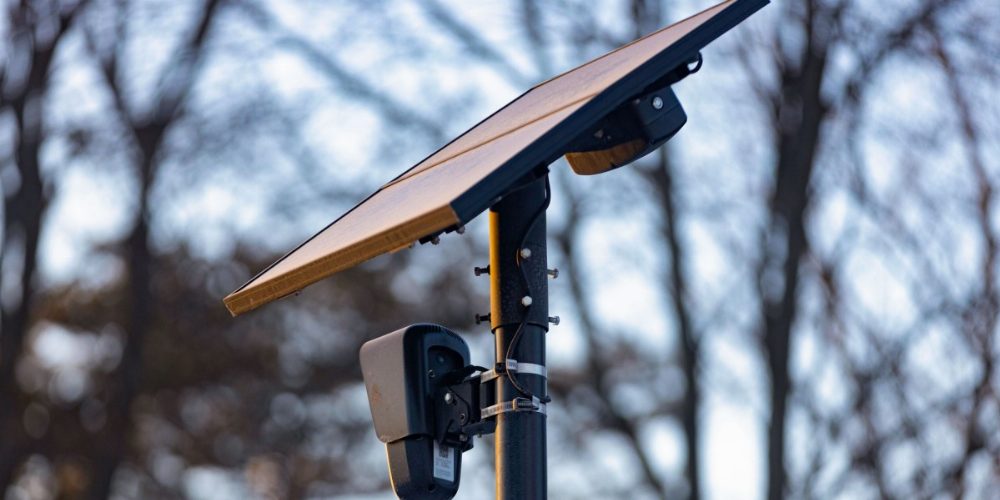
In a significant shift, Flock, a major player in police surveillance technology, has announced new restrictions on how officers can access its extensive network of license plate readers. This decision comes in response to rising concerns about the misuse of the technology, particularly allegations of officers using it to stalk former partners. To enhance accountability, Flock will now require officers to input a criminal case number before initiating a search. However, critics point out that since Flock will not verify these case numbers, potential loopholes may still exist.
Meanwhile, scientists are making headlines with a groundbreaking CRISPR technique that enables the transformation of male mouse embryos into female clones by effectively removing the Y chromosome. This innovative approach holds promise for various applications, from advancing conservation efforts to potentially reviving endangered species. The implications of cloning extend beyond wildlife, as it could also lead to genetic modifications in livestock and even the replication of pets or human-like entities.
In another fascinating development, Deanne Taylor, inspired by a 2017 presentation on the Human Cell Atlas, has been advocating for the inclusion of children in research focused on cellular mapping. Noticing that existing studies primarily addressed adult cells, Taylor emphasized the critical differences in gene expression between children's and adults' cells, which can affect drug responses significantly. Her efforts aim to create a comprehensive database of healthy pediatric tissue, which could serve as a crucial foundation for understanding childhood development and the early onset of diseases.
The technological landscape is further amplified by various reports, including the emergence of Ukrainian drones outsmarting US forces in military exercises and OpenAI and Anthropic slashing prices to remain competitive amid rising AI costs. Apple is also making strides in AI by developing a model tailored for the Chinese market, marking a notable milestone for foreign companies in the region.
As startups embark on building AI-assisted laboratories, the race is on to revolutionize materials discovery. These innovations could drastically reduce the time for synthesizing new materials, paving the way for a future where AI not only predicts but also creates.
Source: www.technologyreview.com