Thailand Implements Political Amnesty, Leaving Lese Majeste Off the List
By Editor • August 25, 2026 • 1 min read
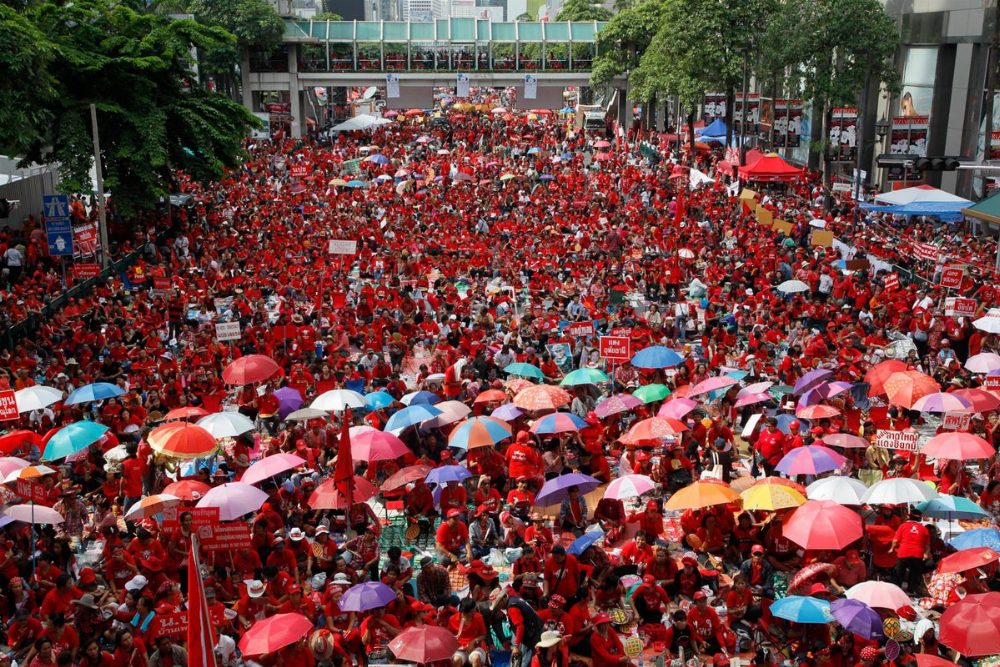
A new political amnesty law in Thailand, aimed at fostering national reconciliation, came into effect on Monday, but notable exclusions have sparked controversy. While the legislation is designed to forgive offenses committed over the last two decades, it specifically omits cases related to lese majeste, the law against defaming the monarchy.
Passed in July and published in the Royal Gazette, the Peaceful Society Promotion Act is expected to benefit around 6,000 individuals. However, critics argue that excluding lese majeste undermines the law's potential to truly heal political rifts. A committee led by the prime minister will decide who qualifies for the amnesty, with its first meeting anticipated within 30 days.
The law addresses political offenses from January 1, 2005, to July 15, 2025, allowing for the release of current prisoners, dismissal of ongoing cases, and expungement of criminal records. Yet, it notably also excludes charges related to corruption and serious injury.
Lese majeste cases are particularly contentious, as anyone can file complaints, often leading to lengthy detentions. Since 2020, over 290 individuals, particularly student activists, have faced charges under this law, with many remaining imprisoned. The political climate in Thailand remains cautious, especially regarding the monarchy's status amidst ongoing tensions stemming from the political legacy of former Prime Minister Thaksin Shinawatra.
Source: www.independent.co.uk
#human rights #lese majeste #political amnesty #Thailand #Thaksin Shinawatra