The Battle for Dark Skies: Satellites Disrupt Stargazing in National Parks
By Editor • August 26, 2026 • 2 min read
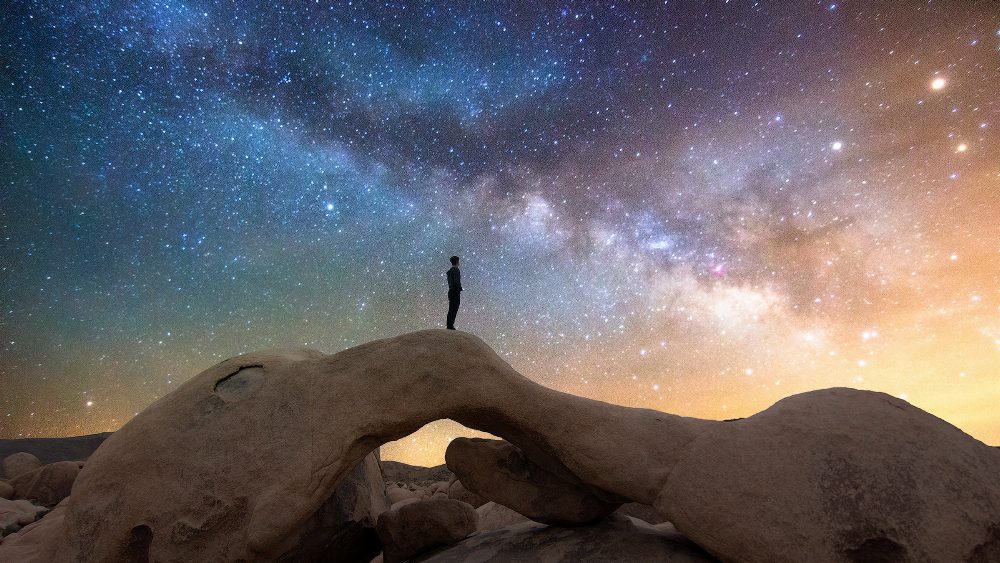
As night falls over Yellowstone National Park, a group of stargazers gather, eager to witness the wonders of the cosmos. Their excitement, however, is often dampened by a disheartening reality: the presence of satellites streaking across the sky. For guide Alexandra Trunnell, who has spent over a decade leading stargazing tours, this is a common occurrence. "My guests and I typically see our first satellite within minutes," she laments, explaining how these satellites often confuse visitors, who mistake them for shooting stars.
The satellite dilemma has escalated dramatically in recent years. In 2019, there were fewer than 3,000 active satellites; today, that figure has surged past 15,000, largely due to SpaceX's Starlink program. Initially launched in 2018 with just 60 satellites, the program is set to expand to 12,000, with future plans potentially raising that number to 1 million. This proliferation is not just a nuisance for stargazers but poses a significant threat to ecosystems, particularly in national parks.
National parks like Yellowstone and Grand Canyon offer dark skies that are essential for both wildlife and human health. Satellite light pollution disrupts the natural behaviors of migratory species, leading to potential confusion in navigation. According to Michael Rymer from DarkSky International, while terrestrial activities are regulated within national parks, the skies remain largely unprotected from the encroachment of commercial satellites.
Reflect Orbital, a new player in the satellite arena, has received permission to launch up to 50,000 satellites designed to reflect light to the ground for urban lighting and solar farms. DarkSky has urged the company to halt its plans until a thorough environmental impact assessment is conducted. With the increase in satellite launches, the plight of starry skies is becoming a growing concern among astronomers and nature conservationists alike.
Park ranger Rader Lane, who works at the Grand Canyon, describes dark skies as a vital natural resource. He has observed the increasing number of visible satellites during his stargazing sessions, which detracts from the authentic experience of connecting visitors to the universe. As these artificial lights continue to multiply, they not only mar the beauty of stargazing but also interfere with scientific research, leaving streaks in images captured by telescopes.
Source: www.outsideonline.com
#astronomy #dark skies #National Parks #satellites #Starlink