The Case for a Health Oversight Office for U.S. Leaders
By Editor • August 21, 2026 • 2 min read
As the health of aging politicians, like Senator Mitch McConnell, becomes a topic of public scrutiny, the need for a system to evaluate the fitness of elected officials is more pressing than ever. McConnell, now 84, has remained largely silent since a fall two months ago, leading to rampant speculation about his condition. While some photos aimed to quell concerns, they have failed to alleviate public doubt about his return to the Senate.
This situation is not unique to McConnell. The current Congress has seen six elderly members pass away this term, while others have experienced significant health issues, including Representative Tom Kean of New Jersey, who was hospitalized for depression. With both past and present presidents also facing scrutiny over their mental and physical capacities, it raises the question: At what point does the public have a right to know about the health of its leaders?
Traditionally, elected officials have maintained a right to privacy regarding their health, which is often tied to the seniority structure in Congress. However, as a geriatrician, I have witnessed firsthand how many aging individuals struggle to recognize their own declining capacities. An independent oversight body is essential to ensure that leaders are fit to serve.
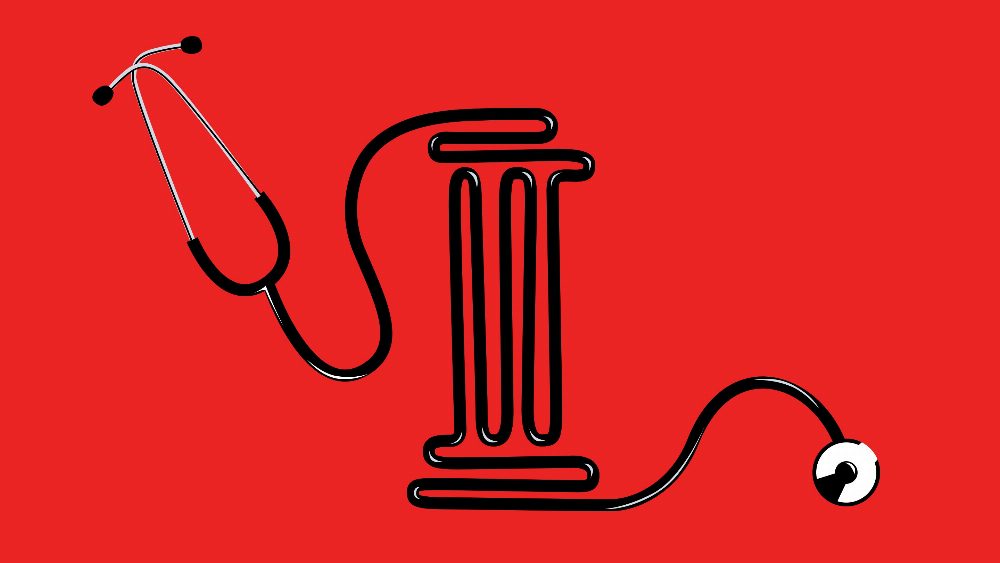
Introducing an Office of the Medical Adviser (OMA) could provide a much-needed solution. This entity would not offer healthcare to officials but would conduct regular evaluations of their health and cognitive abilities, ideally every two years. Unlike the existing Office of the Attending Physician, which primarily responds to emergencies and offers primary care, the OMA would specifically assess whether officials can fulfill their responsibilities effectively.
With the authority to request medical records and refer officials to specialists, the OMA would issue structured reports on the functional capacities of congressional members. This system would provide transparency without disclosing irrelevant health details, allowing the public to stay informed about their representatives' capabilities.
High-stakes professions, such as aviation and military service, already mandate regular health assessments for their practitioners. Just as pilots are evaluated for fitness to fly and soldiers for readiness, lawmakers should undergo similar scrutiny to ensure they can perform their duties. The OMA would not have the power to remove anyone from office; instead, it would inform bipartisan ethics committees, which could then review cases of medical incapacity.
Ultimately, the existence of the OMA would not be necessary if elected officials prioritized their health and were open to stepping aside when necessary. Yet, the reluctance to confront these issues has been evident in recent years, with reports suggesting that individuals close to leaders often remain silent about their health struggles. Establishing an independent body to oversee the health of our representatives could help avert potential crises and ensure that they are fully capable of serving the public.
Source: www.theatlantic.com
#aging politicians #Congress #health oversight #Mitch McConnell #Office of the Medical Adviser