The Decline of Trump Comedy: Comedians Reflect on a Changing Landscape
By Editor • August 24, 2026 • 3 min read
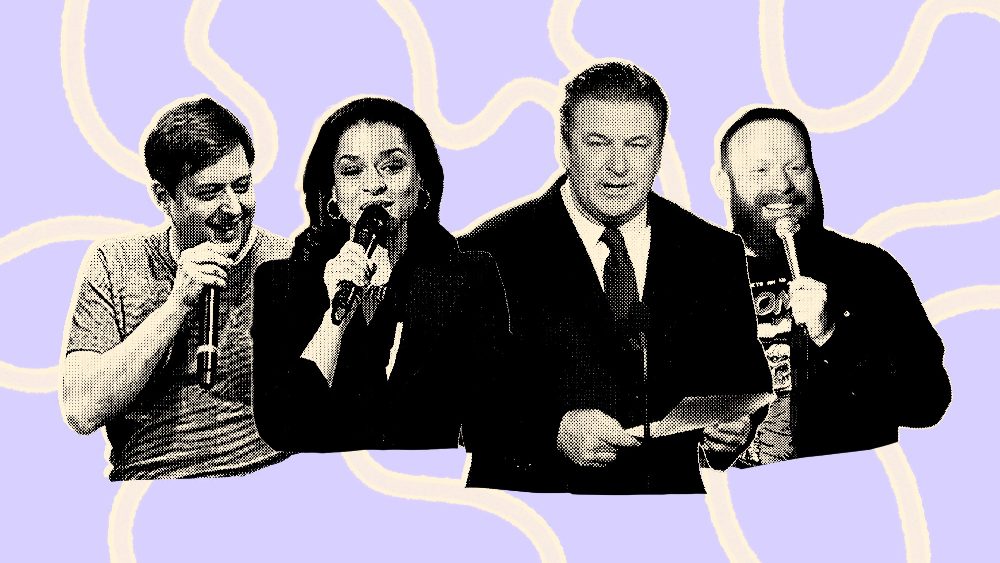
In the wake of Donald Trump's presidency, many comedians who once thrived on his antics are experiencing a shift in their craft. Alec Baldwin, who famously portrayed Trump on Saturday Night Live, recently expressed his disillusionment with political comedy, stating, “None of it’s funny. I don’t find it funny anymore.” This sentiment echoes a broader fatigue among comedians who once found rich material in Trump's bombastic persona.
When Baldwin first took on the role of Trump in 2017, it sparked a wave of political commentary that reinvigorated late-night television and propelled SNL to new heights. Comedians like Baldwin, Anthony Atamanuik, and others harnessed the absurdity of Trump's antics for satire, exploring the implications of his presidency through humor. Atamanuik described his show, The President Show, as an “essay on an issue in American life,” reflecting the shock many felt after Trump's election.
However, as Trump's presidency progressed and the nation transitioned to Joe Biden's leadership, the novelty of ridiculing Trump began to wear thin. Many late-night shows continued to target him, but the freshness of the material faded. A report from 2020 highlighted how audiences were growing weary of the same comedic approaches, leading to the cancellation of several politically charged shows.
By 2020, the comedic landscape had shifted. Sarah Cooper emerged as a new voice, using lip-syncing to Trump's speeches as a form of humor that resonated with viewers. Her style offered a different perspective on political comedy—one that centered on the absurdity of Trump's mannerisms rather than direct satire. While some comedians adapted to the changing tastes, others, like Baldwin, have questioned the relevance of continuing to focus on Trump.
As Trump prepares for a possible return to the White House in 2025, the market for political humor seems diminished. Although comedians still engage with Trump's persona, the appetite for such material has shrunk. Late-night staples like The Daily Show and Last Week Tonight continue to cover Trump, but the impact of their critiques is less pronounced. New impersonators such as James Austin Johnson and Shane Gillis have attempted to fill Baldwin's shoes, yet their impressions lack the explosive reception Baldwin's once garnered.
The political climate and its impact on comedy have also raised questions among comedians. Baldwin, reflecting on the current state of humor, urged his peers to “move on to other people,” suggesting a need to address broader societal issues rather than fixate on a singular figure. Atamanuik echoed this sentiment, noting that young audiences are increasingly frustrated with the entire political system rather than just Trump himself.
While some comedians express skepticism about the future of Trump-based humor, others like Brent Terhune find opportunities in the changing landscape. Terhune’s character, “Alpha Male,” embodies the perspective of a disgruntled Trump supporter, allowing him to explore the nuances of political identity without directly targeting Trump. This approach highlights a potential shift in comedic focus, one that may resonate more with audiences feeling disillusioned by conventional political satire.
The evolution of political comedy in the era of Trump reflects a larger conversation about humor’s role in society. As comedians grapple with the changing dynamics, it remains to be seen how the landscape will adapt—and whether new forms of humor will arise to capture the complexities of modern politics.
Source: www.theatlantic.com
#Alec Baldwin #Late Night #political satire #Sarah Cooper #Trump Comedy