The Evolution of Influencer Trips: From Rigid Itineraries to Curated Experiences
By Editor • August 17, 2026 • 3 min read
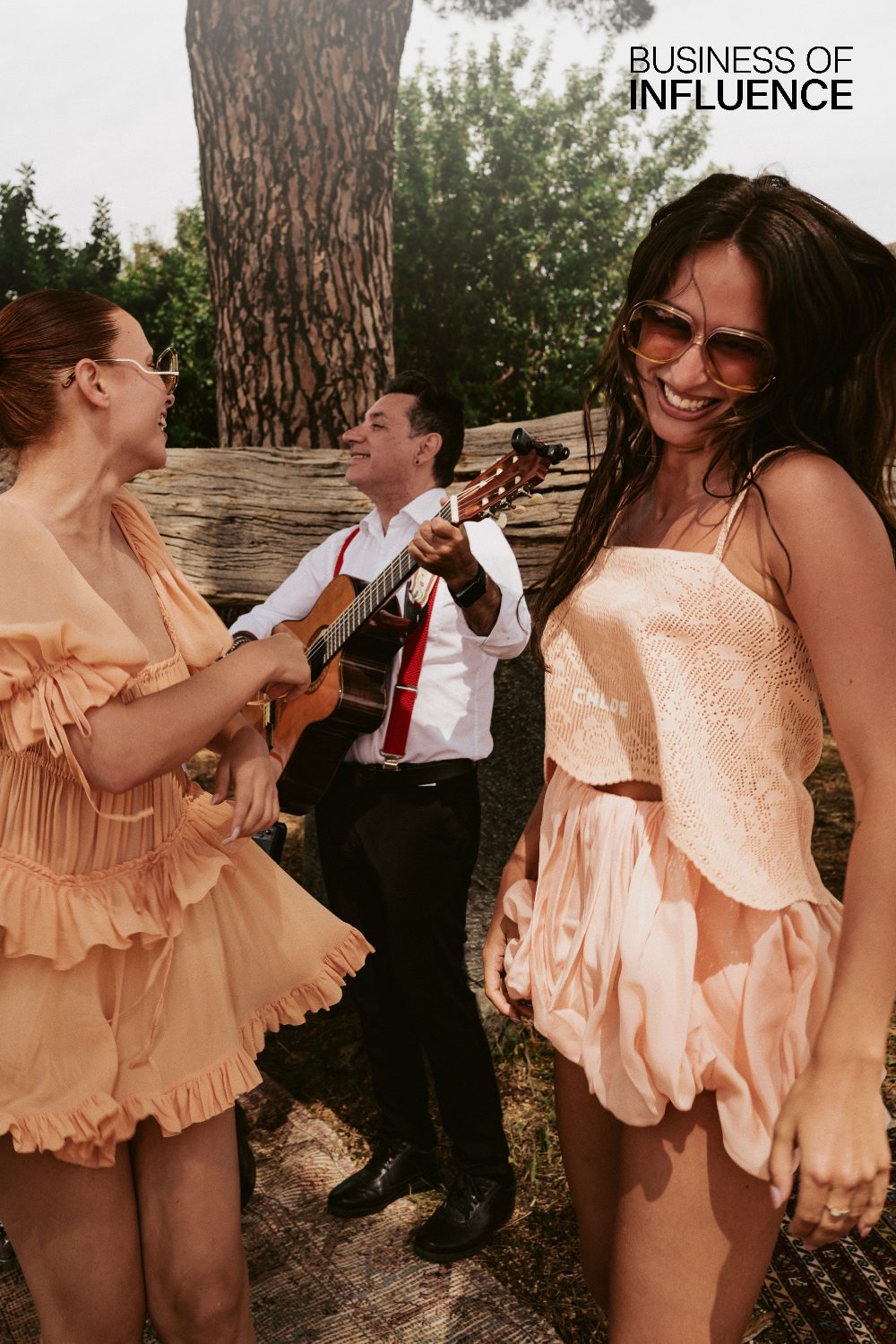
In 2026, the landscape of influencer trips is undergoing a transformative shift. Gone are the days of meticulously planned schedules packed with activities and content generation. Brands are now embracing a more fluid approach, focusing on creating authentic experiences for influencers and their audiences.
This year, companies like Mango, J. Crew, and Gucci have taken influencers to picturesque locations around the globe, but with a newfound emphasis on curation rather than sheer scale. Instead of inviting a crowd of high-profile creators, brands are opting for smaller groups that can foster deeper connections and cultural relevance.
Emily Brown, associate director of strategy at Billion Dollar Boy, emphasizes that the return on investment (ROI) for influencer trips is now gauged by long-term advocacy and content efficiency. Brands are looking for experiences that resonate and evolve into ongoing conversations, rather than just immediate sales boosts. Max Stein, owner of Brigade Talent agency, agrees, noting that the focus has shifted from traditional sales metrics to building an immersive brand narrative.
For example, J.Crew's Chief Marketing Officer, Julia Collier, notes that shorter, less scheduled trips lead to more genuine interactions among participants. This approach allows influencers to form bonds that extend beyond the trip itself, enhancing the overall brand experience.
Recent trips hosted by Mango in Greece and Alo’s summer yacht excursion in France illustrate the trend toward more relaxed itineraries. Influencers are now given the freedom to explore and create content at their own pace, which often results in more organic and engaging material.
Moreover, the effectiveness of these trips is increasingly assessed through earned media value (EMV), which gauges the impact across various platforms. Brands want to see how their events resonate within the cultural conversation, as highlighted by Mango’s communications director, Santiago Lamer. The qualitative feedback gathered through social listening tools is just as important as the quantitative metrics.
Swan Beauty, a newcomer to the influencer trip scene, took an innovative approach by sponsoring a bachelorette party instead of organizing a traditional brand trip. Founder Colby Mitchell believes that engaging with existing narratives fosters a more authentic connection with audiences. This method shifts the focus from overt promotions to genuine participation, creating trust and loyalty among consumers.
As brands reimagine what influencer trips should look like, the dynamics of the attendee groups are also evolving. Companies are now prioritizing group chemistry, often selecting influencers who can connect and collaborate seamlessly. Net-a-Porter’s chief brand and customer officer, Claudia Plant, highlights the importance of curating an atmosphere that feels like a gathering of friends rather than a formal guest list.
Such strategies are evident in how brands like Marine Layer allow influencers to curate their own invite lists, ensuring that participants share genuine rapport. By fostering these relationships, brands not only enhance the experience but also cultivate a sense of community that can lead to sustained brand loyalty.
In summary, the influencer trip of 2026 is characterized by a focus on authenticity, community, and meaningful engagement. As brands adapt to this new paradigm, they are setting the stage for influencer marketing that resonates on a deeper level.
Source: www.vogue.com
#brand trips #content creation #influencer marketing #ROI #social media