Fashion Meets Film: A Timeless Connection Explored
By Editor • August 17, 2026 • 3 min read
The intertwining of fashion and cinema has long been a captivating subject, and few have chronicled it as thoroughly as Women’s Wear Daily (WWD). Since the 1960s, as Hollywood transitioned into its "New Hollywood" phase, WWD has been at the forefront, capturing the essence of style on film sets and within the creative process of costume design.
During this era, directors enjoyed newfound artistic freedom, allowing them to showcase the raw beauty of urban life. WWD's photographers often found themselves in the midst of burgeoning talent, capturing actors before they hit their stardom. Films like "Bonnie and Clyde," "Taxi Driver," and "The Great Gatsby" have not only left their marks on the silver screen but continue to influence contemporary fashion.
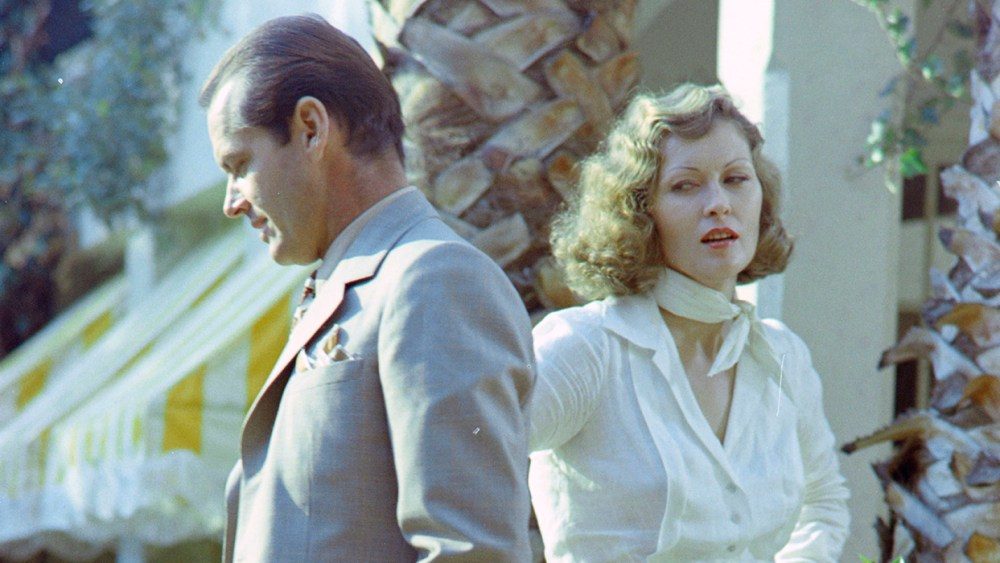
Faye Dunaway's portrayal in "Bonnie and Clyde" became iconic, thanks in large part to costume designer Theadora Van Runkle. In 1967, WWD dubbed this phenomenon the “Bonnie and Clyde Syndrome,” a testament to the lasting impact of film fashion on popular culture. Dunaway herself remarked on the brilliance of the costumes, emphasizing their role in shaping trends.
In a 1975 WWD interview, several prominent costume designers, including Van Runkle, shared insights into their craft. Van Runkle, known for her work on "The Godfather Part II," expressed her frustrations with the male-dominated film industry. Despite receiving an Academy Award nomination for her contributions, she felt sidelined due to the editing choices made by director Francis Ford Coppola, which often favored male narratives. Nevertheless, she celebrated the challenge of dressing male stars, noting that they often proved easier to fit than their female counterparts.
Van Runkle praised Dunaway for her dedication to embodying the characters she portrayed, contrasting her with other actresses who showed less commitment to the costume’s historical context. Despite her success, Van Runkle resisted being labeled solely as “Faye’s designer,” ultimately seeking to diversify her portfolio. She recounted the challenges of designing for stars who refused her outfits, highlighting the disconnect some actors have with the long-term impact of their fashion choices.
Meanwhile, Theoni Aldredge, another celebrated costume designer, was busy balancing her work between New York and Hollywood. Having recently won an Oscar for "The Great Gatsby," she emphasized that the essence of clothing remains constant, whether for theater or film. Aldredge noted that contemporary designs present unique challenges due to the fleeting nature of fashion trends. She expressed a passion for period pieces, stating they allow for greater creative freedom since audiences are less informed about historical styles.
Aldredge also reflected on the changing star system, observing a shift from the anti-hero to leading men like Robert Redford and James Caan. She lamented the underappreciation of talented performers in theater who could easily shine in film, suggesting a disconnect between talent and visibility in the industry.
Anthea Sylbert, another costume designer featured in the WWD interviews, shared her experiences with director Mike Nichols, working on a project that involved unconventional elements like a herd of apes. Each designer brought their perspective on the role of fashion in film, demonstrating the collaborative spirit that fuels the industry. Sylbert’s reflections echoed the sentiment that, while costume designers may operate behind the scenes, their influence on cinema and popular culture is profound and lasting.
Source: wwd.com