The Fertility Divide: Understanding the Family Planning Gap Between Liberals and Conservatives
By Editor • August 20, 2026 • 2 min read
The recent release of Taylor Swift’s 2025 song "Wi$h Li$t" has sparked an unexpected debate among fans regarding her lyrics about wanting to settle down and have children. Some listeners interpreted Swift’s sentiments as aligning with conservative ideals, calling it 'tradwife propaganda' despite her history as a feminist and supporter of Democratic candidates. This incident sheds light on a broader cultural phenomenon: the noticeable divergence in family planning preferences between liberals and conservatives.
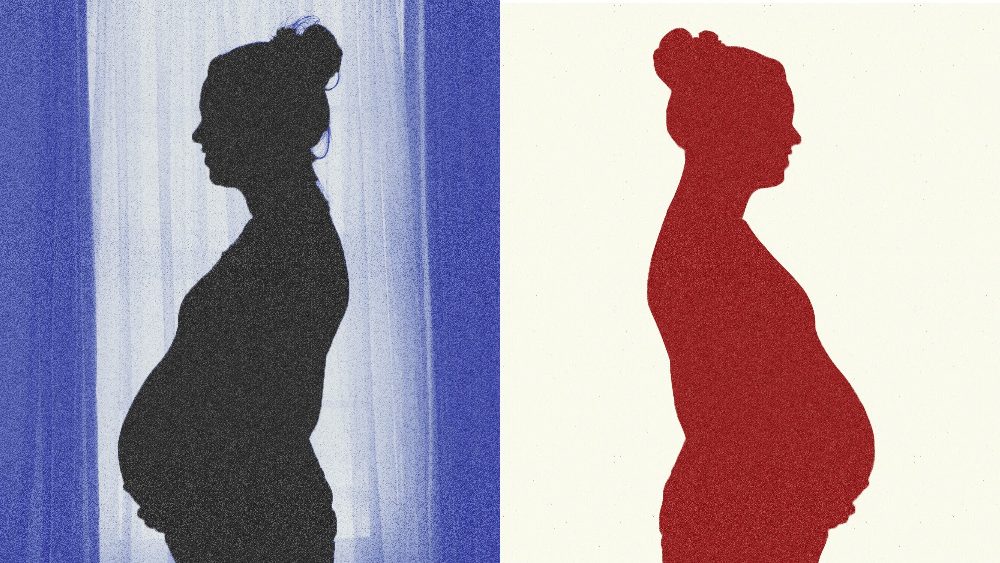
Research indicates that across the U.S. and Europe, individuals with conservative beliefs tend to have larger families than their liberal counterparts. A June report from the Institute for Family Studies (IFS) revealed that self-identified conservatives average 1.4 children, while liberals average just 1.09. This disparity persists even after considering variables like religion, income, and education. As Lyman Stone, who led the IFS research, noted, this trend has been evident for decades, yet the reasons behind it remain complex.
One contributing factor may be the differing outlooks on parenthood between the two groups. The IFS survey found that a higher percentage of liberals (18%) were unsure about their parenting abilities compared to conservatives (9%). Additionally, over a third of liberals viewed parenting as overwhelmingly challenging, while this sentiment was shared by less than a quarter of conservatives. Moreover, 19% of liberal respondents felt their mental health was inadequate for parenting, compared to 10% of conservatives. These perceptions significantly correlate with the decision to have children.
Scholars suggest that the anxieties expressed by liberals about family life could stem from their greater exposure to current events and societal issues. As liberal individuals tend to follow diverse media sources, they may be more aware of pressing concerns like climate change, which could foster reluctance to expand their families. Conversely, conservatives often maintain a belief in individual resilience, which may encourage a more optimistic view of family planning.
Further complicating the picture are the differing values that liberals and conservatives place on education, career success, and family life. Many liberals prioritize personal achievement and self-definition, viewing parenthood as one of many fulfilling paths rather than a primary goal. In contrast, conservatives often regard family as foundational to adult life, with a Pew Research Center poll indicating that more Republicans than Democrats see having children as essential for a fulfilling existence.
Additionally, religious beliefs play a significant role in shaping these values, with 80% of conservatives identifying as Christian compared to 37% of liberals. This inherent difference in values creates a pronounced gap in how each group perceives the importance of family and children.
In conclusion, while individuals from both political spectrums can and do have children, the cultural narratives and societal pressures that influence family planning decisions differ greatly. The divergence in fertility rates between liberals and conservatives not only reflects personal choices but also a broader ideological divide about life priorities and values.
Source: www.theatlantic.com
#conservatives #family planning #fertility gap #liberals #Taylor Swift