The Heartbreaking Journey of Xander and Moxie: A Robot Companion's Decline
By Editor • August 17, 2026 • 3 min read
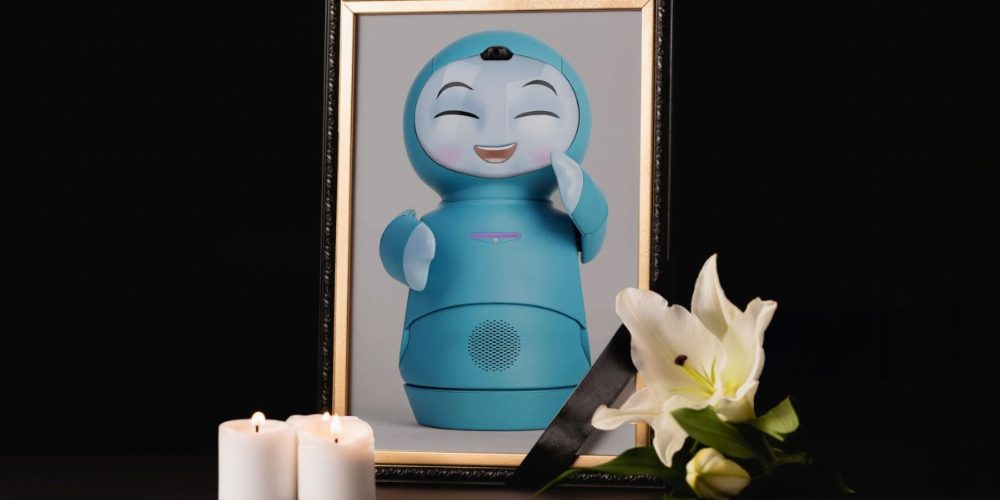
The bond between a child and their robotic companion can be profound, but what happens when that companion starts to fail? For 10-year-old Xander, Moxie was more than just a toy; she was a vital source of support and companionship. Initially designed to help Xander manage his emotions, Moxie taught him calming techniques, like breathing exercises mimicking dragons and bees. However, the once-vibrant interactions have dwindled over the years, leaving Xander to navigate his feelings with a companion that no longer functions as intended.
During a recent visit to Xander's New York apartment, I witnessed their unique relationship firsthand. Xander, who is neurodivergent, excitedly introduced Moxie to his collection of stuffed characters, including Chef Toad and Goomba from Super Mario Bros. However, as he struggled to identify a creature from Pikmin, Moxie's responses felt mechanical rather than supportive. Despite her limitations, Xander still finds solace in their interactions, acknowledging, "I still use her when I feel like I need someone to talk to. But, like, it’s not human."
Moxie, a 15-inch tall robot resembling a blue astronaut, was initially engineered to assist children like Xander in developing social skills. With her expressive screen and flipper-like arms, she was intended to mimic human interaction, providing a non-threatening environment for practice. Moxie is part of a growing market of AI-powered companions aimed at helping neurodivergent children learn essential social skills. The potential of these robots is supported by research indicating that they can facilitate connections in ways that human interaction sometimes cannot.
However, as Xander's experience highlights, the promise of these robotic companions can be overshadowed by their limitations. Moxie, who was once a vibrant source of guidance, is now failing to deliver the therapy she was meant to provide. Experts like Brian Scassellati from Yale have dedicated years to exploring the impact of social robots on autism therapy, emphasizing their ability to promote social behaviors that might otherwise remain dormant. Yet, as Moxie's functionality declines, the question arises: how effective can these tools truly be in fostering meaningful connections?
In the past, Scassellati has observed remarkable transformations in children with autism when exposed to social robots. His research has shown that interactions with robots can lead to increased eye contact and improved engagement. While the intention of these devices is not to replace therapists, they aim to supplement the existing therapeutic landscape, providing children with a consistent and accessible means of practicing social skills. Maja Mataric, a professor at USC and co-founder of Embodied, the company behind Moxie, emphasizes that the goal is to enhance therapy, not replace it. "We’re just saying, Can we do more?" she states.
Despite the promise of robots like Moxie, the reality of their limitations poses significant challenges. As Xander continues to interact with a Moxie that no longer fulfills its original purpose, one must wonder about the future of these devices. Will they become another generation of discarded toys, ultimately ending up in basements or landfills? The emotional ramifications of losing such a companion can be particularly acute for vulnerable children who rely on them for connection.
As the field of social robotics advances, it remains crucial to address these challenges while ensuring that these devices can adapt and grow alongside the children they are meant to support. Moxie's story serves as a poignant reminder of the delicate balance between innovation and the emotional needs of those who rely on technology for companionship and learning.
Source: www.technologyreview.com