The Rise of 'Dumb Homes': A Nostalgic Shift in Interior Design
By Editor • August 21, 2026 • 2 min read
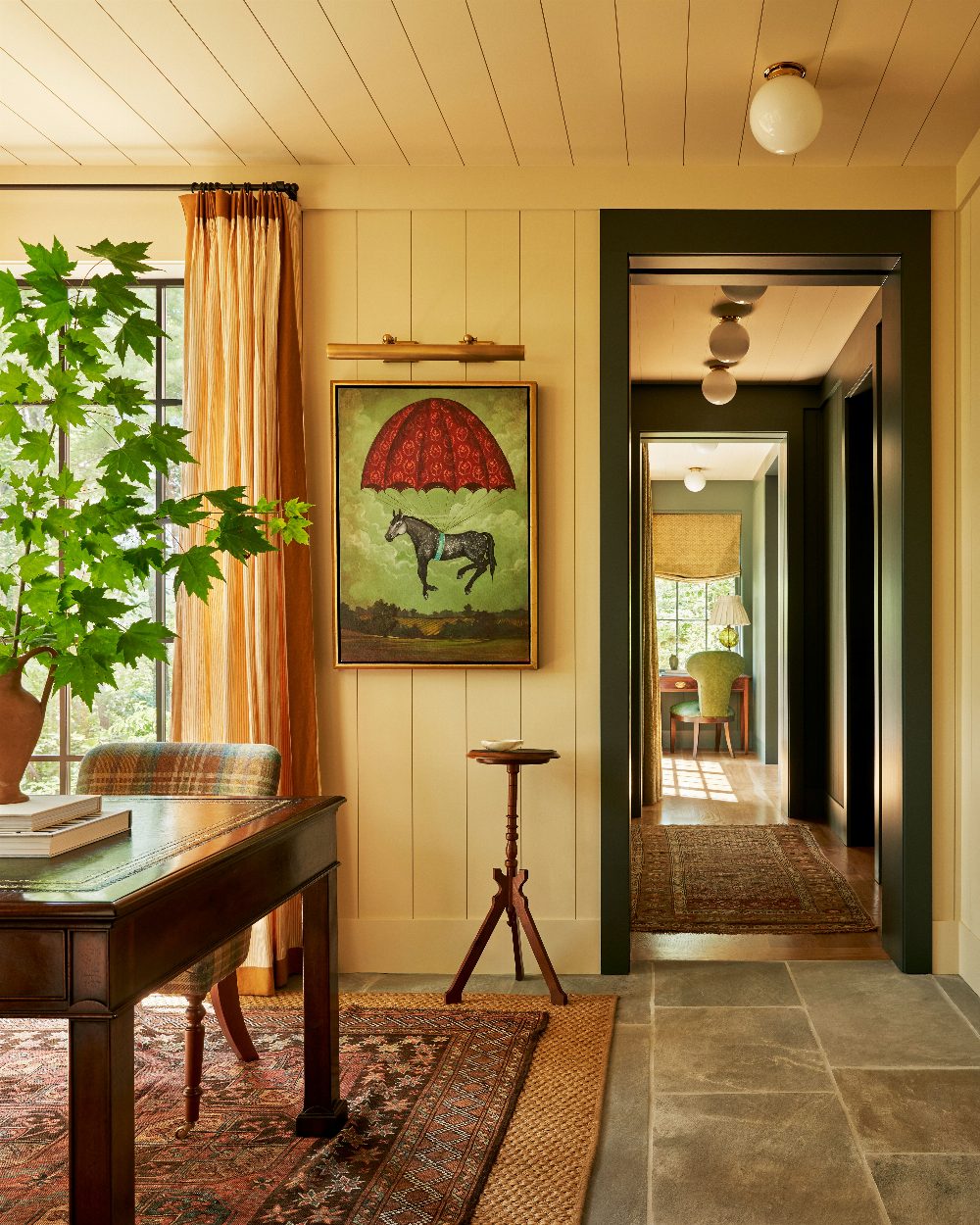
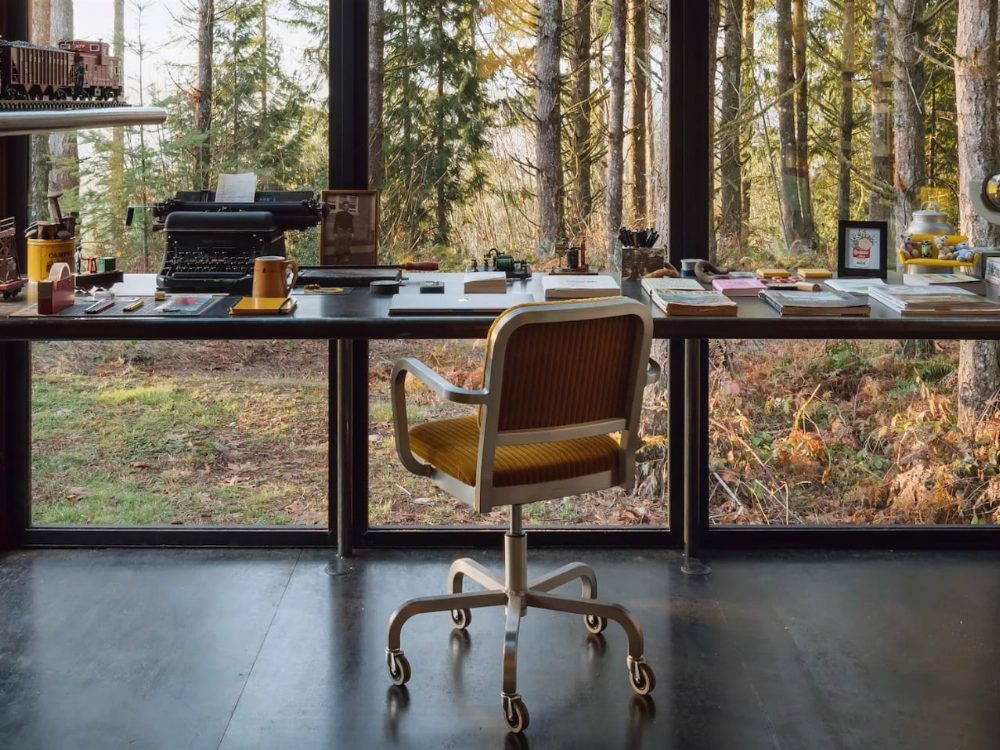
In a world increasingly dominated by smart technology, a surprising trend is emerging in home design: a movement toward 'dumb homes'—spaces that embrace simplicity and nostalgia over high-tech gadgets.
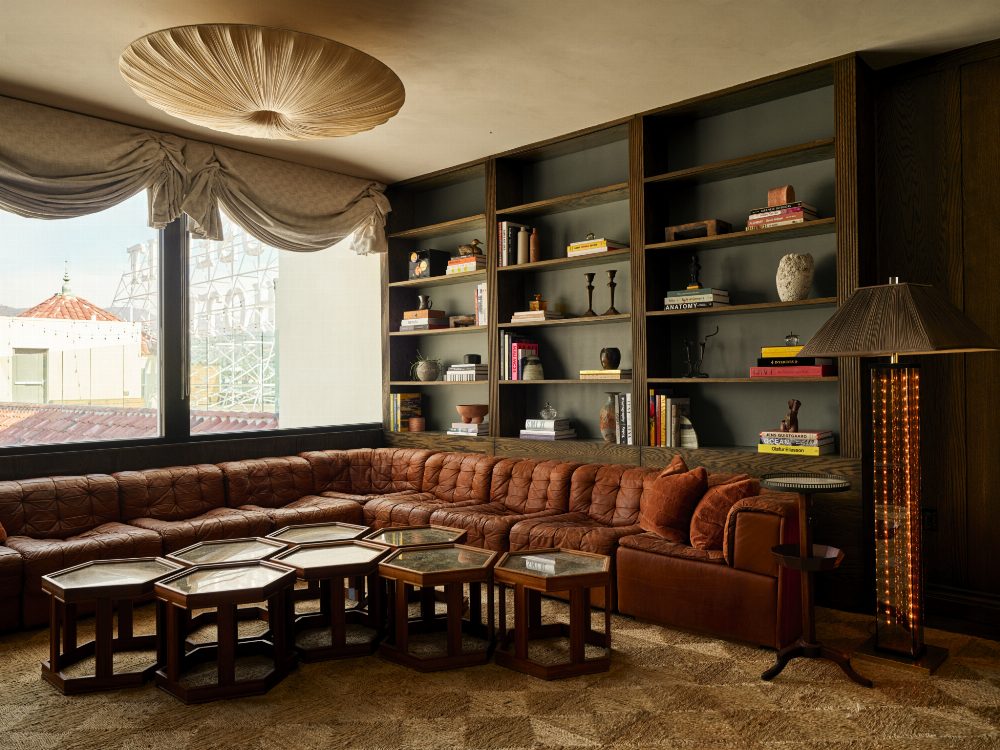
Designers like Bari Jerauld of Blank Slate Studio are witnessing a shift as clients express a desire for environments that evoke warmth and character, steering away from the overwhelming digital experiences of modern life. Jerauld notes, "We spend so much of our lives on screens and in fast-moving digital environments, so the home has become the one place people desperately want to feel the opposite." This sentiment is echoed by Thomas Jayne, a New York City designer, who reports that clients prefer straightforward systems, stating, "I just want to turn on one switch to turn on my lights."
Dr. Sally Augustin, an applied environmental psychologist, highlights how complicated smart systems can lead to frustration and feelings of loss of control. She points out that while high-tech homes may impress guests, they can create a sense of isolation, detracting from genuine human interaction. "People are social animals… designing a home around screens eliminates the richer conversation we used to have," she remarks.
The trend appears to be particularly popular among families. Venetia Rudebeck of Studio Vero notes that parents are increasingly aware of their children's screen time, prompting a shift toward more connected, old-school spaces. The nostalgia factor plays a significant role in this trend, as recalling simpler times can enhance mood and cognitive performance, according to Dr. Augustin.
Houston's Emily Spanos emphasizes the importance of striking a balance between modern conveniences and nostalgia. She suggests creating "drop zones" at home entrances for devices, encouraging families to unplug and focus on one another. By incorporating lo-fi options like landlines, she aims to foster deeper conversations, especially among children.
Rudebeck advocates for the creation of cozy areas that promote screen-free activities, such as reading or playing games, rather than centering the living room around a television. She mentions projects that incorporate features like chalkboard walls or stacks of books to invite engagement and creativity.
In addition to larger design choices, smaller details also matter. Samantha Feuer from Noris Studio prefers layered lighting over contemporary can lights and recommends simple controls like rotary dimmers. She points out that using standard outlets avoids compatibility issues that often arise with smart technology. "You can’t keep up with it," she remarks, highlighting the cost-effectiveness of analog designs.
As designers embrace this return to simplicity, they suggest that 'dumb homes'—with their timeless appeal and practicality—are poised to remain relevant. With a focus on durability and ease of use, these spaces offer a lasting alternative to the ever-evolving demands of smart home technology.
Source: www.vogue.com
#analog interiors #dumb homes #interior design #Nostalgia #technology