The Unseen Costs of Military Presence in Washington, D.C.
By Editor • August 23, 2026 • 3 min read
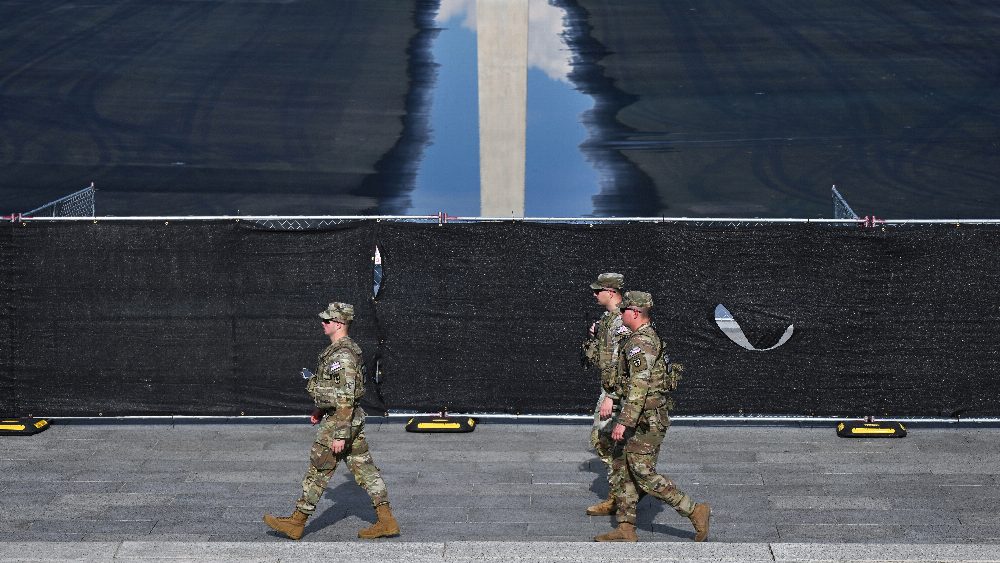
In an unprecedented move, Washington, D.C. has become accustomed to the sight of National Guard troops patrolling its streets, a stark reminder of an era marked by heightened federal control. Since August last year, when President Trump first deployed the National Guard to the capital, the presence of military personnel has evolved from a startling anomaly to a mundane reality for residents.
The initial deployment saw around 800 local National Guard members, but this number swelled to nearly 5,000 as governors from various states, primarily Republicans, sent additional troops to assist. The Pentagon has announced that this military presence will continue through January 2029, with a staggering projected cost exceeding $1 billion to taxpayers.
Despite the hefty financial burden, the purpose of these troops remains ambiguous. Many residents, like Aundrea’ Pulliam, a Metro employee, describe them as an unbothered presence, often seen idling rather than engaging with the community. Occasionally, they assist with minor incidents, such as helping intoxicated commuters or investigating abandoned items, yet for the most part, their role appears limited.
The situation is compounded by D.C.'s unique political status, which lacks statehood, rendering it unable to contest federal oversight effectively. While the Trump administration touts the deployment as a triumph in crime reduction, the reality is more complex. While crime rates in D.C. have seen a general decline, experts point out that this trend predates the military presence, and similar reductions have occurred in cities without such federal intervention.
Recent analyses indicate that while the National Guard’s presence might have led to a decrease in petty crimes, it had little to no effect on violent crime rates. Reports from the Niskanen Center and the Center for American Progress highlight the ineffectiveness of the Guard in addressing serious crime, leading to a contentious political atmosphere where Trump has threatened legal action against those who challenge his claims.
Military personnel in D.C. have been sworn in as deputy U.S. marshals, allowing them limited law enforcement powers, yet their ability to conduct independent operations is restricted. Notably, they have been involved in only a small fraction of criminal cases in the local courts, with their activities primarily revolving around non-policing tasks such as community support and cleanup operations.
One significant contribution has been their role in administering naloxone, a drug used to counteract opioid overdoses. Reports indicate that Guardsmen have administered the life-saving medication numerous times, illustrating a shift from traditional policing duties to a more community-oriented role, albeit one that raises questions about the necessity of military presence in addressing public health crises.
Critics of the National Guard's deployment argue that it reflects a troubling trend of militarization in domestic governance, suggesting that the presence of armed forces in civilian areas undermines the foundations of democracy. Activists like Merawi Gerima characterize the troops as an occupying force, highlighting the broader implications of federal authority over local governance.
As the D.C. Safe and Beautiful Task Force continues its operations, the presence of federal agents from various agencies—including the FBI and DEA—has intensified, with some incidents leading to violence and fatalities. This aggressive approach, combined with the National Guard's subdued presence, encapsulates a complex narrative of militarization that challenges the traditional understanding of community safety and governance.
Source: www.theatlantic.com
#crime rates #militarization #National Guard #Trump administration #Washington D.C.