Threat of Glacier Lake Eases After Devastating Floods Near China-Nepal Border
By Editor • August 29, 2026 • 2 min read
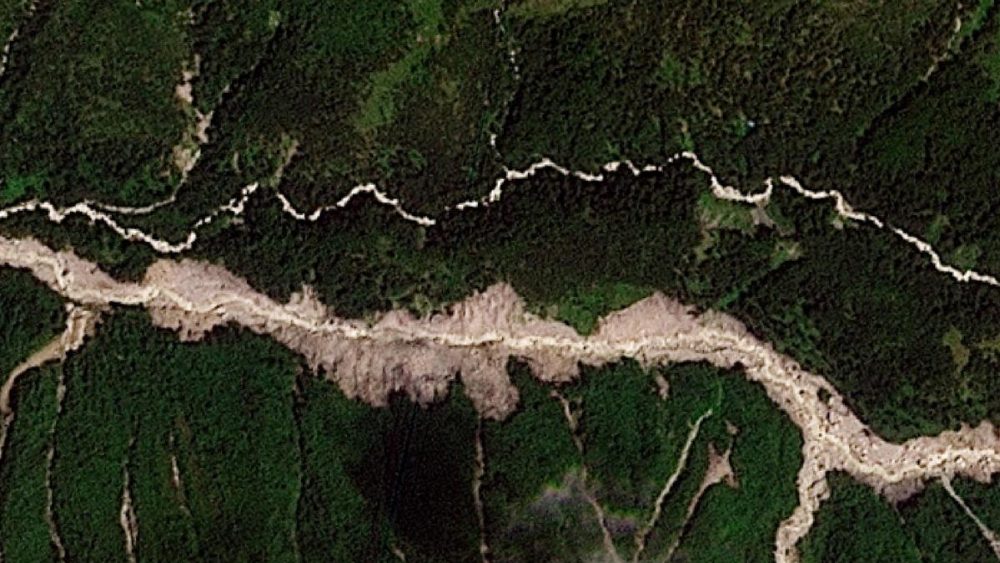
The immediate danger of a glacier-formed lake bursting near the China-Nepal border has diminished, according to Chinese officials. Following a catastrophic flood caused by a glacier collapse earlier this week, satellite imagery reveals that the lake has been gradually shrinking.
As of Saturday afternoon, August 29, 2026, the lake, which spans the Purepu Tsangpo River, was measured at approximately 99,000 square meters, a decrease of 21,000 square meters since Thursday. Reports indicate that parts of the lake bed are now visible, suggesting a natural drainage process.
The glacier collapse on August 26 unleashed a torrent of debris that devastated the region, resulting in at least seven confirmed deaths and over 550 individuals still unaccounted for. The disaster also obliterated a border port complex linking Tibet and Nepal.
Authorities had been concerned about the potential for further disasters stemming from the lake formed by glacial debris, which posed a significant risk to ongoing rescue operations. However, experts from the Water Resources Ministry have stated that if the water levels continue to decrease, search and rescue efforts downstream can proceed safely.
Rescue operations faced interruptions on August 28 due to initial overflow from the lake, but risk assessments later indicated that conditions were manageable. Surveillance measures have been employed by the state-owned engineering company China Anneng, utilizing radar and drones for continuous monitoring of the lake.
In addition to the shrinking lake, officials are keeping an eye on a larger body of water at the glacier collapse site, measuring over 120,000 square meters, though its depth remains unknown. Flood risks will persist until both lakes are fully drained, according to Nepal’s Disaster Management Authority.
Rescue teams have been diligently searching through debris in harsh weather conditions, with over 50 workers currently on the ground. Communication disruptions and damaged roads continue to hinder relief efforts, but crews have made progress towards reopening a crucial highway to the affected area.
Experts are still investigating the cause of the glacier collapse, with climate change being a potential factor. Videos show the glacier breaking apart and cascading into the valley, highlighting the urgent need for more data and understanding of such natural disasters.
Source: www.thehindu.com