Trade Talks Collapse: U.S.-Canada Relations Face New Tariff Crisis
By Editor • August 24, 2026 • 2 min read
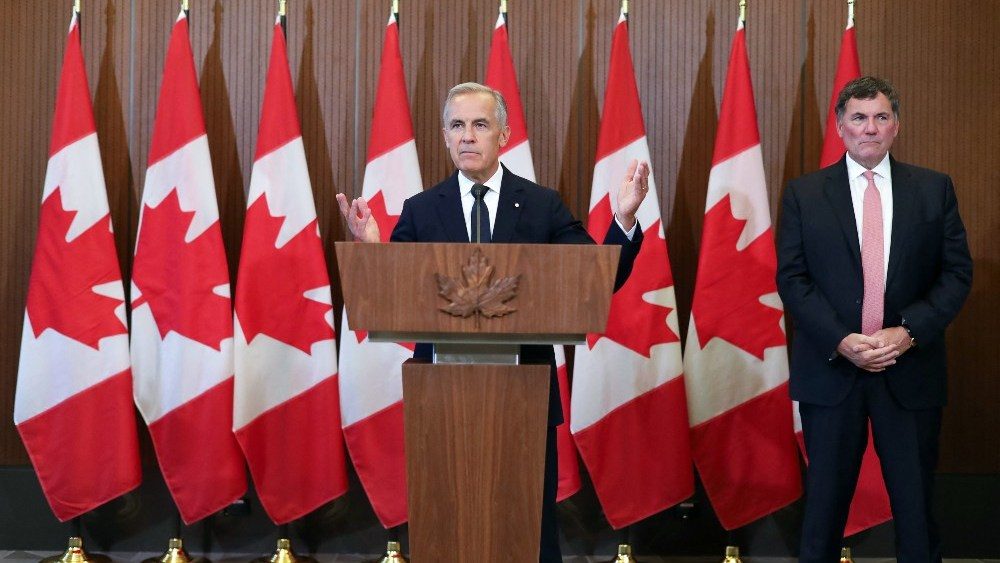
The ongoing trade negotiations between the United States and Canada have taken a significant downturn, as discussions aimed at preventing steep tariffs unraveled, raising concerns over the future of trade relations between the two nations. Canadian Prime Minister Mark Carney has called back his lead negotiators to Ottawa, citing an insurmountable gap in demands and concessions after a series of intense discussions with U.S. Trade Representative, Ambassador Jamieson Greer.
The fallout from these talks became evident when 50 percent tariffs on 5 percent of Canadian imports, including textiles and apparel, went into effect on Saturday. In retaliation, Canada plans to impose its own duties on U.S. goods by September 8. Carney expressed strong disapproval over the U.S. stance, questioning the implications of such tariffs on American workers reliant on Canadian markets for their products.
“What message does that send to workers in Michigan, Ohio, Kentucky and Alabama who rely on Canadian demand?” Carney asked, underscoring a sentiment that the U.S. approach risks damaging collaborative supply chains that benefit both countries. He firmly stated that Canada would not accept negotiations that treated its industry as subordinate to that of the U.S.
Adding to the tension, Ontario Premier Doug Ford criticized President Donald Trump, labeling him a “dictator” and a “bully,” and applauded Carney for stepping away from the negotiations rather than conceding to American pressure. Trump's reaction was equally pointed, claiming that “America has been carrying Canada for decades,” and warning that Canada’s leadership should align with U.S. expectations or face further repercussions.
This exchange of barbs escalated the anxiety surrounding trade relations, with leaders resorting to social media to voice their frustrations. The American Apparel and Footwear Association raised concerns that the tariff imposition would create unnecessary financial burdens, even for sectors not directly targeted, highlighting the interconnectedness of the North American market.
Nicole Bivens Collinson, an expert in international trade, speculated that the breakdown in talks could lead to the U.S. and Mexico intensifying their bilateral negotiations, potentially sidelining Canada. As the U.S. moves forward with plans to raise tariffs on Canadian automobiles by 2027, the implications for producers relying on cross-border trade become increasingly complex.
Trade analysts like Dave Townsend noted that the recent developments have further complicated the already strained U.S.-Mexico-Canada Agreement (USMCA) negotiations. He emphasized that Canada remains committed to the USMCA, but the imposition of these new tariffs could lead to a reevaluation of their role in future agreements. The situation is precarious, with companies now facing difficult choices regarding sourcing and inventory management amidst growing uncertainty.
As the American Association of Exporters and Importers expressed disappointment over the collapse of trade relations, they warned that the repercussions of this breakdown would extend well beyond immediate tariff impacts, jeopardizing the integral supply chains that tie the economies of the U.S. and Canada together.
Source: wwd.com