Transforming Emergency Care for Seniors: A New Approach in Geriatric ERs
By Editor • August 18, 2026 • 3 min read
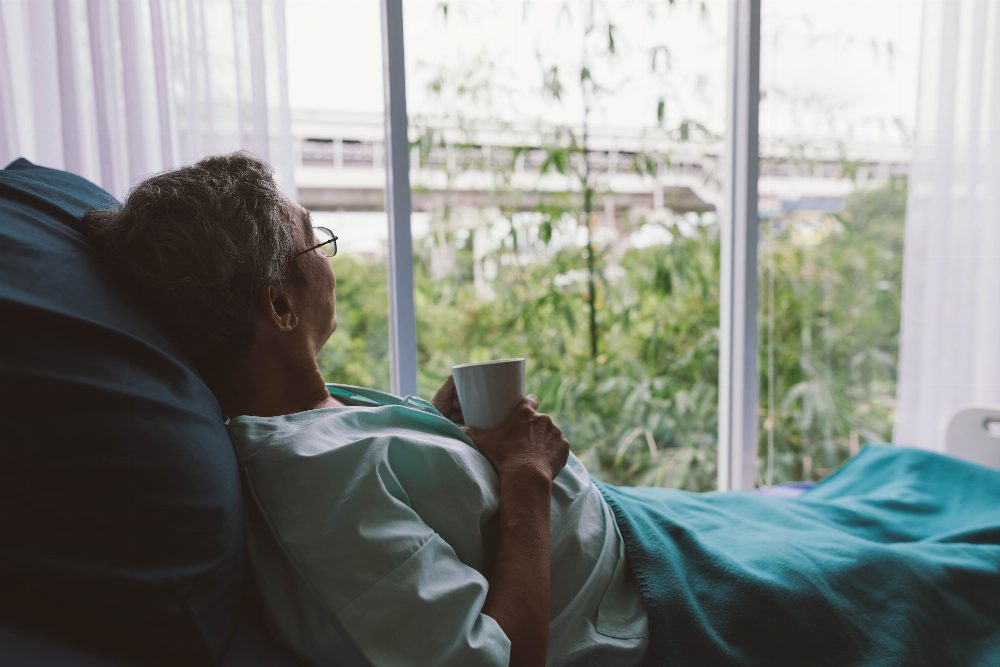
Cynthia Tompkins, a 75-year-old retired teacher from San Diego, recently experienced a transformative encounter at a geriatric emergency department that shattered her preconceived notions about emergency care. After a challenging recovery from osteomyelitis, Tompkins faced a new health scare that left her feeling increasingly weak and vulnerable. When a friend called for an ambulance, she dreaded the typical ER experience, expecting long waits and uncomfortable conditions.
Upon arrival at UC San Diego Health’s emergency department, however, Tompkins found herself in a setting designed specifically for older adults. Since 2022, San Diego’s adult ERs have been accredited as geriatric emergency departments (GEDs), a move aimed at addressing the unique health risks faced by seniors. This innovative approach, according to studies, has shown promise in reducing both hospital admissions and mortality rates among older patients.
Immediately upon admission, Tompkins was taken to a comfortable room where her needs were prioritized. Staff provided her with IV fluids to address dehydration, and the calming environment included sound-absorbing walls and a window that helped orient her sense of time, crucial for preventing delirium. Denise Valenzuela, her geriatric emergency nurse, emphasized the importance of these features in maintaining patients’ mental health during recovery.
Geriatric emergency departments have been gaining momentum across the United States, with the American College of Emergency Physicians accrediting over 600 such facilities since 2017. These departments are not exclusive to older patients but incorporate specialized practices to accommodate them. For instance, they focus on a comprehensive assessment of patients’ multiple chronic conditions rather than just addressing immediate medical complaints.
Dr. Kevin Biese, who leads the Geriatric Emergency Department Collaborative, highlighted the necessity of this approach, stating that older adults often arrive at emergency rooms with complex health issues that require a more nuanced response than traditional ER protocols can provide. In stark contrast to conventional emergency practices, GEDs routinely screen for cognitive impairments and carefully review patients’ medications to avoid potential complications.
Moreover, the design of these facilities actively combats sensory impairments common among seniors by offering tools like reading glasses and sound amplification devices. This thoughtful attention to detail helps reduce the risk of delirium, a common condition that can exacerbate other health problems.
While many ERs struggle with prolonged boarding times, particularly for older patients, geriatric emergency departments strive to minimize hospital admissions. Several studies indicate that extended stays in emergency settings can lead to increased mortality rates and other health risks for seniors. This insight has led to a growing awareness of the importance of GEDs, which aim to treat patients effectively without unnecessary hospitalizations.
Tompkins’ experience underscored the impact these specialized departments can have. After receiving appropriate care and support, she was able to return home the same day, equipped with resources for ongoing assistance. “They took care of the whole me and put me on the right track,” she said, expressing relief and gratitude for the attentive care she received.
As the number of accredited geriatric emergency departments increases, experts like Dr. Biese urge communities to advocate for these essential services in their local hospitals. The strides made in emergency care for older adults reflect a growing recognition of their unique needs and the potential for improved health outcomes.
Source: kffhealthnews.org
#emergency medicine #geriatric emergency department #healthcare #patient care