Trump Promises Strong Response to Iran Amid Renewed Hostilities
By Editor • August 31, 2026 • 2 min read
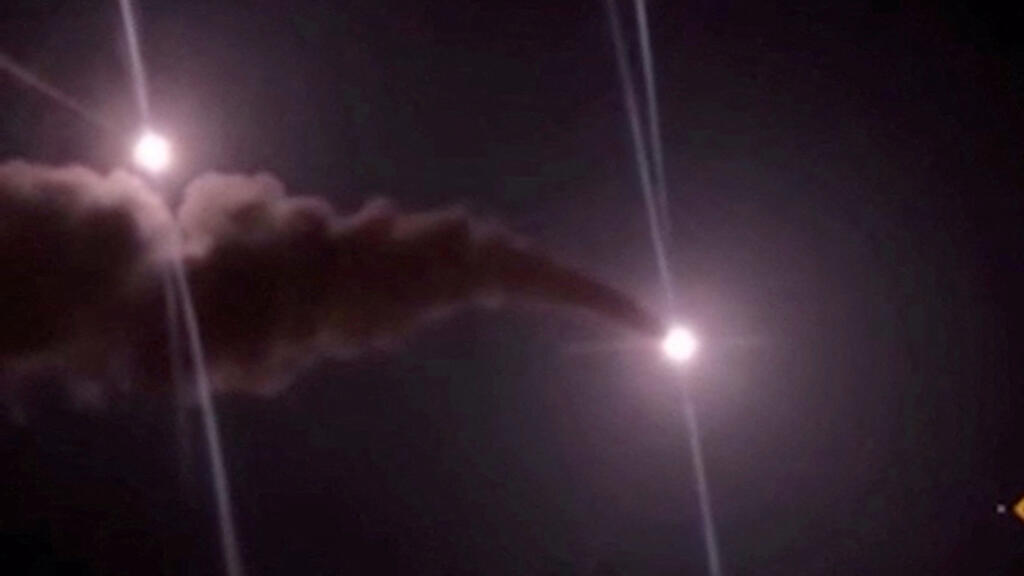
In a recent escalation of tensions, President Donald Trump has warned that the United States will retaliate decisively against Iran following a series of attacks that have reignited conflict in the Middle East. This warning comes after US strikes on an Iranian island in the strategic Strait of Hormuz led to Iranian missile attacks targeting US military installations.
In comments made to Fox News, Trump stated, "We're going to hit them hard. There will be a response," highlighting the seriousness of the situation as both nations engage in an exchange of military actions after a month of relative quiet.
The US airstrikes targeted Iranian rocket launchers on Larak Island, aimed at preventing Iran from laying mines in a vital shipping lane. In retaliation, Iran launched missile and drone strikes at US facilities in Jordan and the UAE, claiming their actions were directed at American forces. However, Iranian President Masoud Pezeshkian later emphasized the need for dialogue, stating that prolonging the conflict is not beneficial for either side.
According to reports from Iranian state media, the US strikes resulted in three fatalities and several injuries. Iran's Revolutionary Guards have asserted that their attacks inflicted significant damage on US bases, yet Trump countered that most missiles aimed at US targets were intercepted, with Jordanian forces confirming the downing of eight missiles without disclosing their origin.
The renewed hostilities come after months of escalating military and economic tensions, with Trump labeling Iran as a "Failed Nation" and criticizing its military and financial state. Meanwhile, US Treasury Secretary Scott Bessent confirmed ongoing efforts to maintain economic pressure on Iran, suggesting significant changes could occur in the coming weeks.
Despite the US asserting control over the Strait of Hormuz, Iran continues to claim dominance over the vital maritime route, which is crucial for global oil transportation. The conflict, which began with US and Israeli strikes on Iran in February, has led to a blockade on the Strait of Hormuz, causing disruption in global markets.
As diplomatic efforts falter, with previous attempts to broker peace and ceasefire agreements failing, the international community has expressed concern over the potential for further escalation. UN Secretary-General Antonio Guterres has called the latest hostilities "very regrettable" and urged a return to dialogue to address the ongoing crisis.
Source: www.france24.com