Trump's Administration Faces Backlash Over Cuts Impacting Autism Support
By Editor • August 26, 2026 • 3 min read
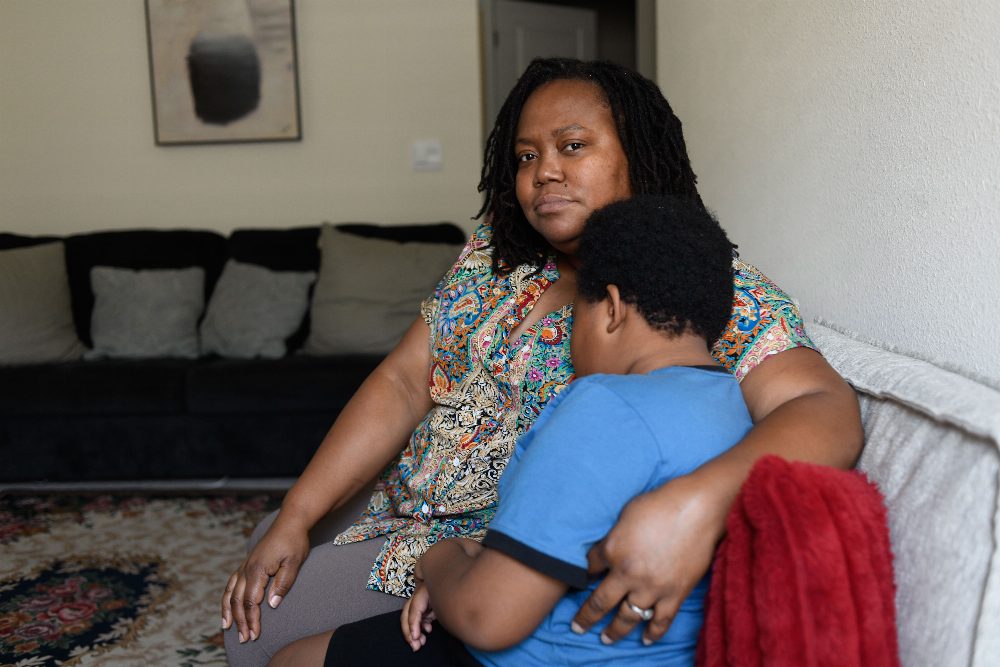
Josette Smith’s 9-year-old son, Ethan, a student at Chain of Lakes Elementary in Winter Haven, Florida, embodies the challenges many families face when navigating the education system for children with disabilities. Diagnosed with autism and ADHD, Ethan loves subjects like crafts, math, and science, but these interests are often overshadowed by his struggles in a school that has repeatedly failed to provide adequate support.
Despite an agreement for a trained paraprofessional to assist him, Ethan was frequently removed from his classroom, suspended, and even faced police involvement during his third-grade year. Smith, a seventh-grade science teacher, became an advocate for her son, lodging complaints with both the school district and the U.S. Department of Education’s Office for Civil Rights (OCR) when local remedies fell short. Her federal complaint alleges discrimination based not only on Ethan's disability but also on his race.
The OCR has historically been a critical resource for families facing discrimination in education due to race, gender, or disability. However, recent cuts to the Department of Education have raised concerns about the agency’s capacity to effectively handle such complaints. In March 2025, President Trump signed an executive order that significantly reduced the OCR’s operational resources, closing seven of its twelve regional offices and transferring oversight of special education to the Department of Justice.
These changes have drawn criticism from advocates who argue that they complicate the process for families trying to address overlapping issues of race and disability. Nancy Potter, a former supervising attorney at the OCR, noted that the restructuring leaves families with grievances about discrimination caught in a bureaucratic limbo, lacking a clear pathway for resolution.
As autism diagnoses have surged—affecting approximately 1 in 31 U.S. children by age eight—research continues to reveal disparities in how different demographics are identified and supported. A recent study from the State University of New York at Albany highlighted persistent gaps, particularly among students of color and those from low-income backgrounds, indicating systemic barriers that still exist despite rising awareness of autism.
In a striking paradox, while autism has become a focal point in public discourse under Trump’s administration, the White House has simultaneously cut funding for critical research into autism disparities. The administration has frozen nearly 12,000 civil rights cases, and a Senate report revealed a significant decline in the OCR's effectiveness in resolving discrimination complaints over the past twelve years.
Moreover, the administration has implemented policies that inhibit data collection regarding racial disparities in school discipline and disabilities. Paul Morgan, director at SUNY-Albany, emphasized that without this data, efforts to address and rectify these disparities are severely hindered. He asserted, "If we're cutting any data collection that helps us understand the problem, we're not going to fix it. All we're doing right now is making the situation worse."
As the discourse around autism continues to evolve, advocates like Camille Proctor, founder of The Color of Autism Foundation, warn that the current trajectory of policy and funding cuts threatens to reverse progress made in supporting marginalized communities affected by autism.
Source: kffhealthnews.org
#autism #civil rights #disability rights #education #Trump administration